Mantis Material: Elevate, Protect, Build.








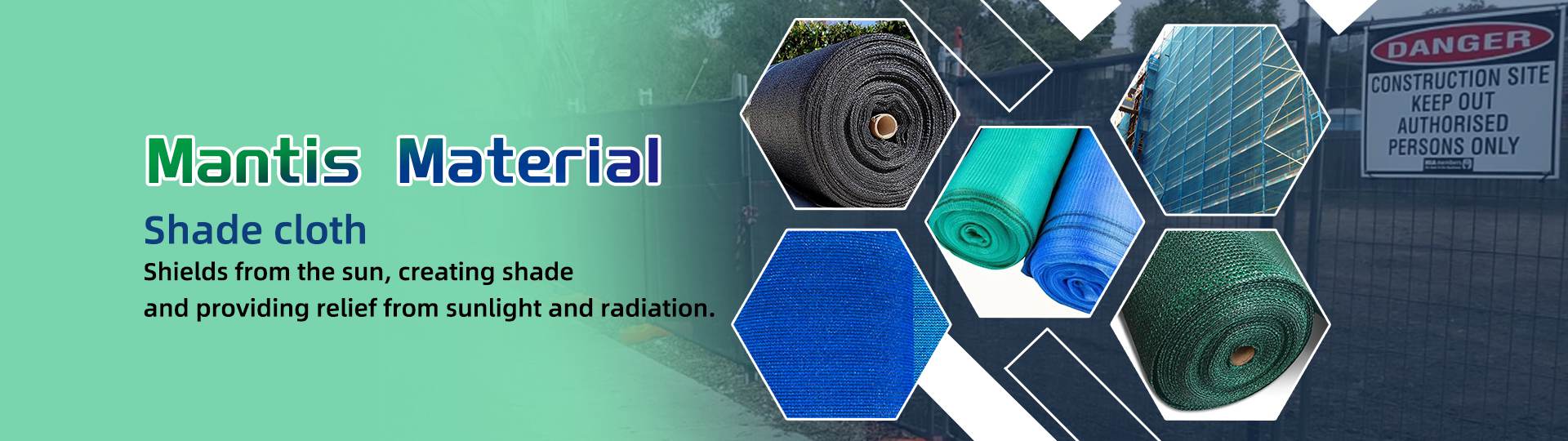
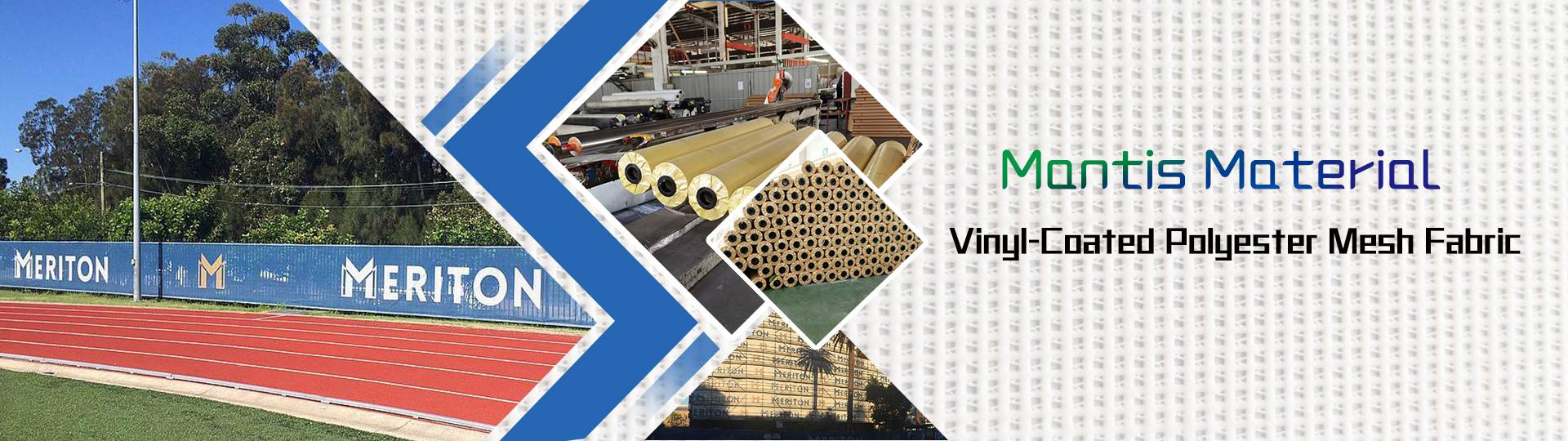
A high-performance barrier mesh serves as a multifunctional solution designed to meet the demands of protection, isolation, and filtration across multiple industries. Manufactured from high-strength materials, this permeable fabric offers exceptional durability, including resistance to corrosion, weather extremes, and ultraviolet radiation, allowing it to perform reliably in harsh environments over extended periods. One of its most valuable characteristics is the combination of light transmittance and air permeability, which ensures that while the mesh creates a physical barrier, it does not completely block airflow or sunlight. This makes it particularly suitable for applications where environmental interaction is necessary, such as in agriculture and horticulture, where the mesh can be used for sun shading or insect prevention without hindering the normal growth of plants.
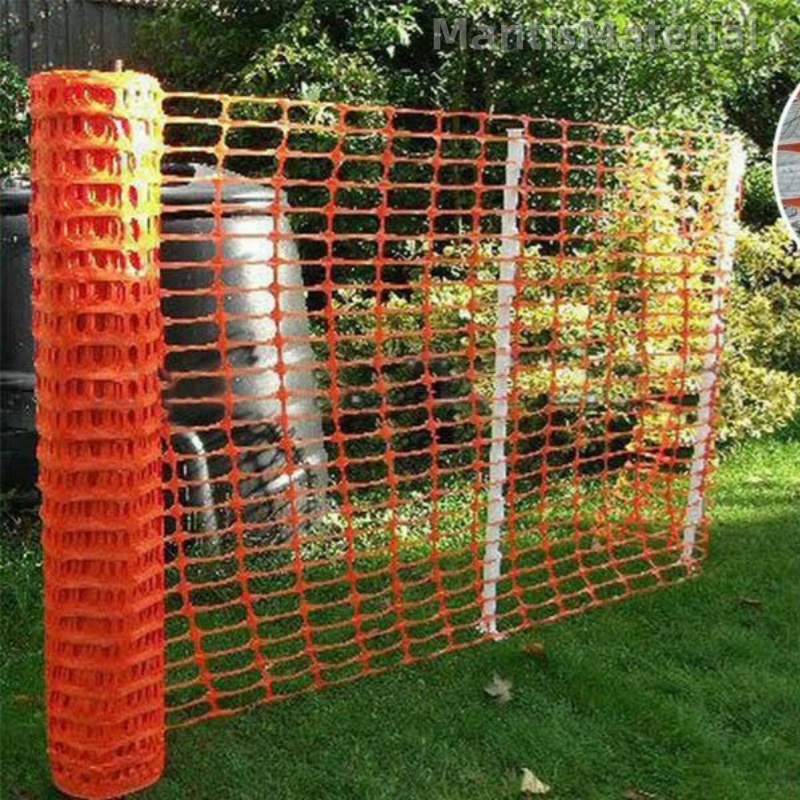
In construction and industrial settings, barrier mesh provides critical safety functions. It is commonly deployed as a temporary safety fence to prevent unauthorized access to dangerous zones, thereby reducing the risk of accidents. For high-altitude operations, the material serves as an effective anti-fall net, catching tools or debris that might otherwise fall and cause injury or damage to personnel and equipment below. The flexibility of the mesh allows for easy adaptation to different site layouts, while its robust construction ensures it remains securely in place when properly fixed, even in windy or high-risk areas. Regular inspection and timely repair of any damage or looseness, especially after severe weather, help maintain its protective integrity over time.
Beyond construction, barrier mesh proves invaluable in agricultural and horticultural applications. As an anti-insect net, it creates a physical barrier that prevents pests from reaching crops, which can reduce the need for chemical pesticides and contribute to higher yields and better quality produce. In hot seasons, the same material can be used as a shade net to moderate light intensity, protecting plants from excessive sunlight. For climbing crops such as grapes or cucumbers, the mesh can be configured as a support net, guiding healthy plant growth. In environmental management, the material serves as a dust-proof net to cover exposed land on construction sites or in open-pit mines, helping to prevent airborne particulate pollution. Similarly, it functions as a bird-proof net in locations such as airports and orchards, reducing bird-related hazards to equipment and crops.
Available in standard roll sizes of 1.6 meters by 50 or 100 meters, and 1.8 meters by 50 or 100 meters, with weave patterns of 6×6 or 9×9 and weights ranging from 180gsm to 260gsm, the barrier mesh can be selected to match specific strength and permeability requirements. While white is a common base color, custom sizes and colors are offered to suit project needs, and logo printing across the entire roll is available for branding or identification purposes. For applications with strict safety codes, optional fire retardant treatment can be incorporated. Installation requires choosing the appropriate material type—metal, plastic, or composite—based on the scenario, ensuring firm fixation, and laying out the mesh to effectively cover the target area. Maintenance involves regular cleaning to prevent dust and debris from clogging the mesh, which would otherwise reduce its light and air permeability, along with periodic checks to address any damage or loosening. This combination of durability, permeability, and adaptability makes barrier mesh a practical choice for safety, agriculture, and environmental protection projects alike.
 عربي
عربي Deutsch
 Français
 Italia
 Portugal
 España