Mantis Material: Elevate, Protect, Build.








When managing soil erosion and sediment runoff on construction sites, agricultural land, or infrastructure projects, silt fence provides a simple yet highly effective solution. This permeable fabric, typically made from durable synthetic materials like polypropylene, contains tiny pores that block sediment while allowing water to flow through. As a result, silt fence helps prevent soil loss, protects downstream water bodies from pollution, and keeps projects in compliance with environmental regulations. The fabric is designed for durability, resisting UV rays, corrosion, and aging for long-term outdoor use. It also offers flexibility to adapt to uneven terrain, ensuring a close fit with the ground for maximum effectiveness.
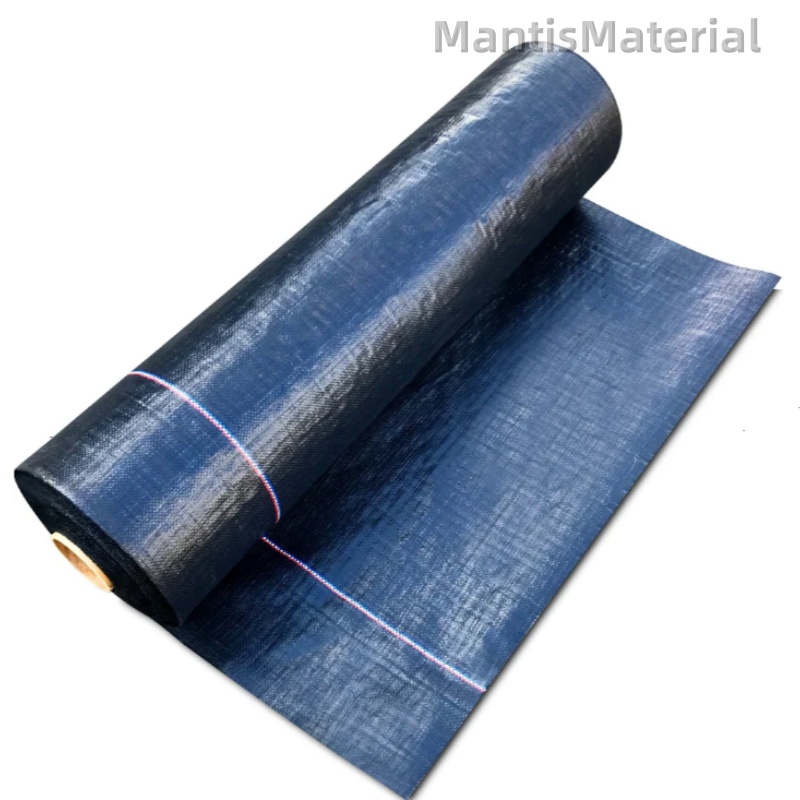 A standard silt fence system consists of three key components: the permeable fabric, support piles (usually wood or metal) that hold the fabric upright against water flow, and a buried section at the bottom to prevent water from bypassing underneath. This design makes silt fence invaluable for reducing sediment loss during rain events, protecting water quality by lowering suspended solids in rivers and lakes, and preventing river siltation that can block natural water flow. Common applications include controlling surface runoff in land development, safeguarding farmland soil from erosion, and providing temporary drainage protection for road, bridge, and tunnel projects. Silt fence is available in colors such as green, black, or dark green, with thicknesses ranging from 0.25 to 0.4mm. Roll sizes typically come in 2 meters wide by 100 meters long, while finished sizes include options like 2x2m, 3x3m, 4x4m, 4x6m, and many others up to 4x10m, with custom sizing available. For added convenience, logo printing can be applied across the entire roll, and fire retardance is optional. Whether you need temporary perimeter control for a housing development or sediment management for highway construction, silt fence delivers reliable, cost-effective protection for both the job site and the surrounding environment.
 عربي
عربي Deutsch
 Français
 Italia
 Portugal
 España