Mantis Material: Elevate, Protect, Build.








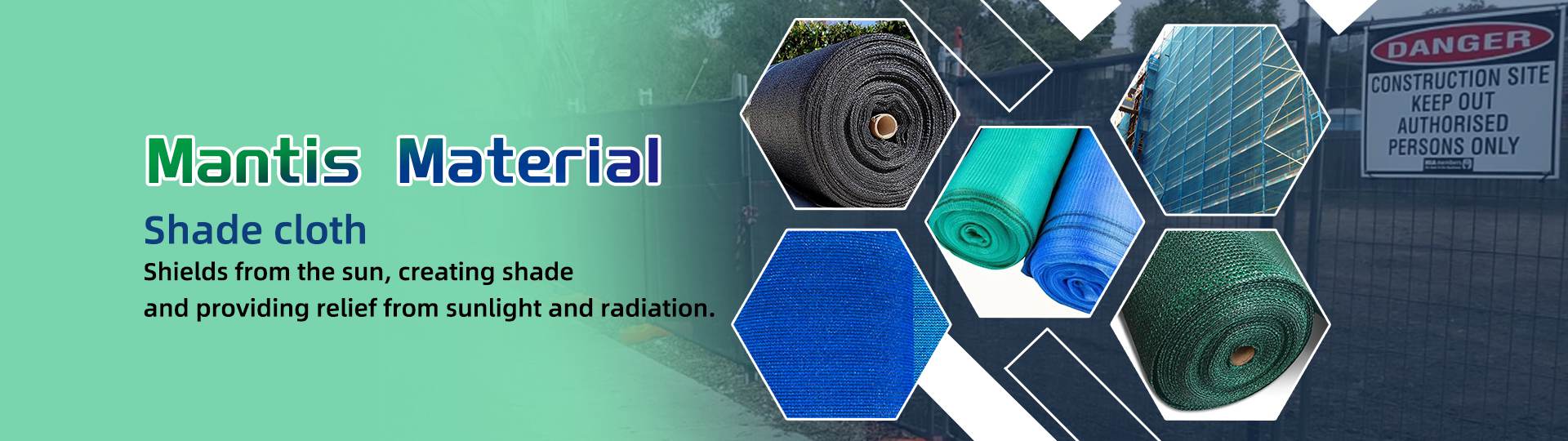
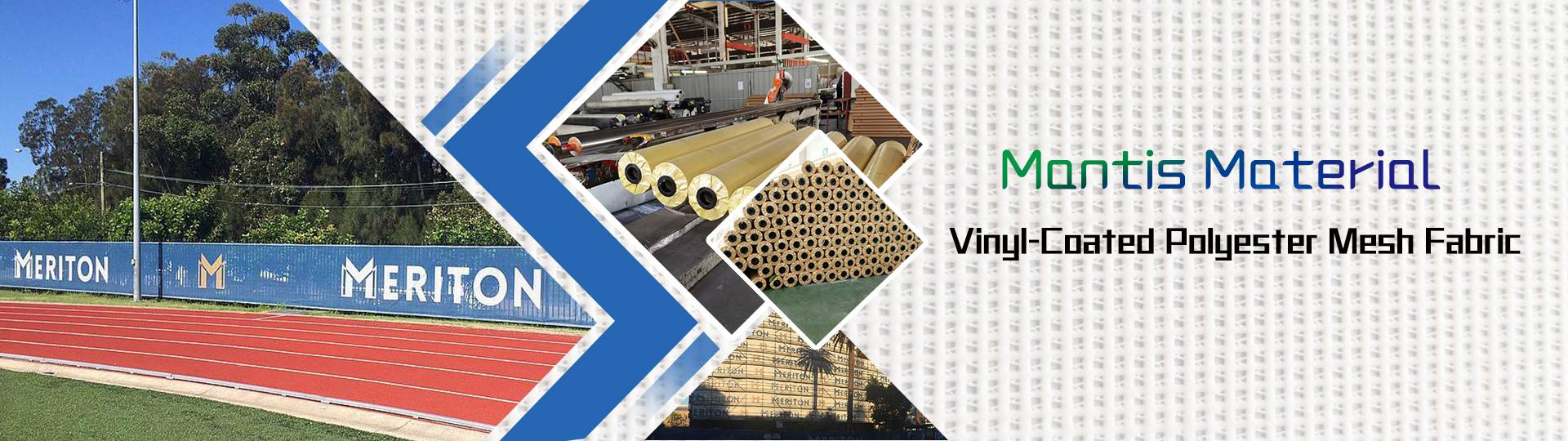
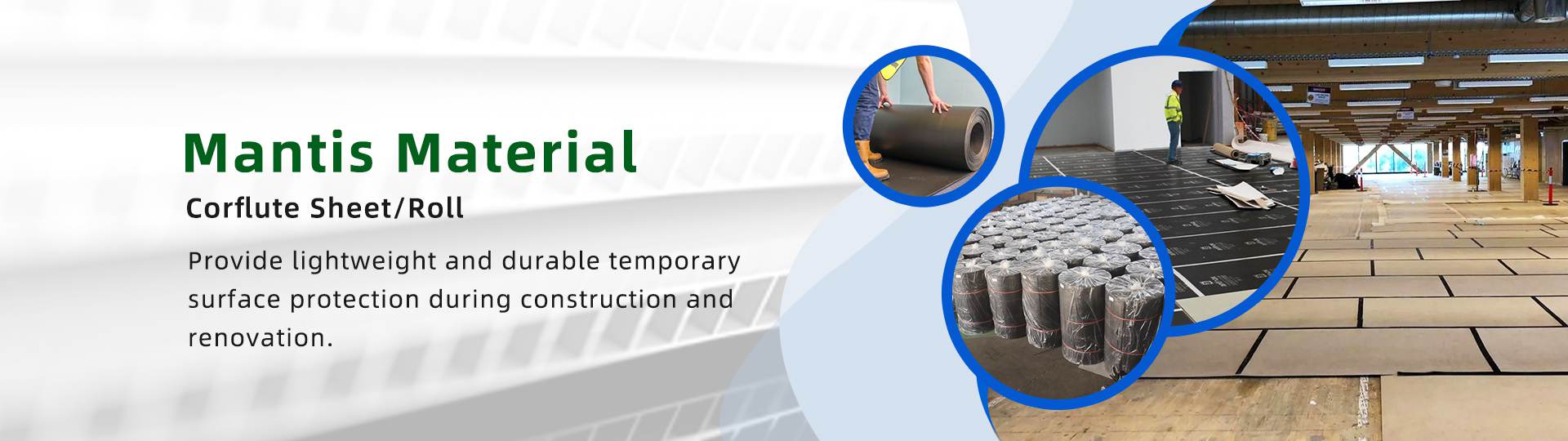
Sticky mats, also known as cleanroom adhesive mats or tack mats, provide a simple yet highly effective solution for preventing the spread of dirt, dust, and other contaminants across critical environments. These mats are manufactured using advanced technology with eco-friendly, pressure-sensitive water-based adhesives that are non-toxic, odorless, and leave no residue upon removal. Each mat consists of multiple layers of specially coated polyethylene film, with numbered tabs or labels on each layer to facilitate easy separation and removal. When the top layer becomes soiled with debris from footwear or trolley wheels, it can be quickly peeled away to expose a fresh, clean layer underneath, restoring full adhesive performance in seconds. This multi-layer construction allows a single mat to provide effective contamination control for extended periods, reducing waste and lowering the frequency of mat replacements while maintaining consistent cleanliness standards in high-traffic entry zones.
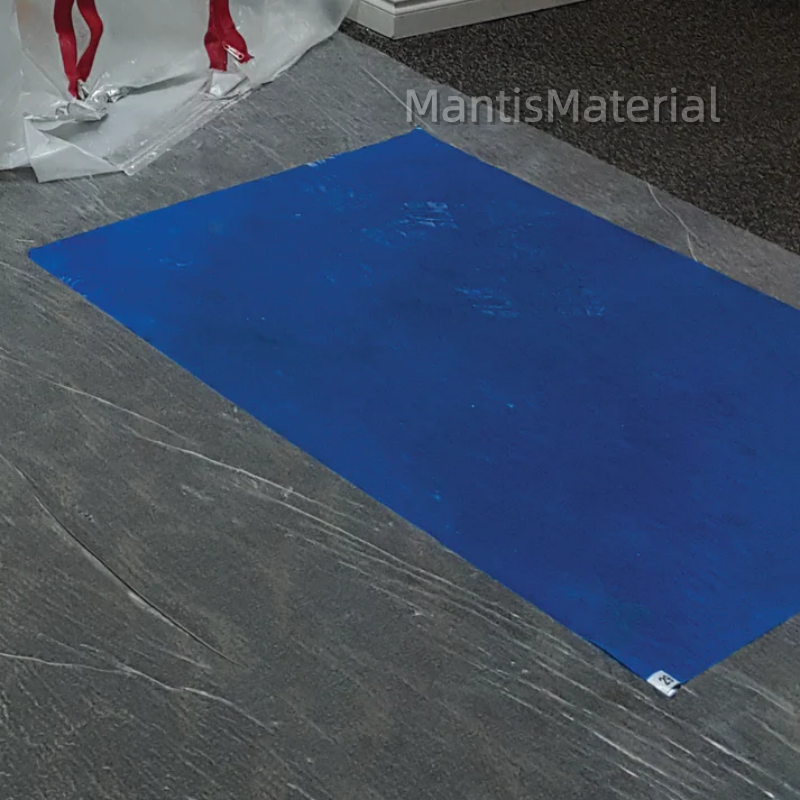
The adhesive properties of these mats are engineered to balance effective trapping with clean removal. Each layer features uniform adhesion that is strong enough to capture fine dust, micro-particles, and larger debris from the soles of shoes and wheels of carts or equipment, yet the adhesive is formulated to leave no sticky residue behind when layers are peeled or when the mat is removed from the floor. The mats are also designed to be durable and tear-resistant, with specially engineered materials that prevent tearing during the peeling process even in demanding environments with heavy foot traffic. For floor installation, the mats stay firmly attached without slipping or curling at the edges, while remaining removable without damaging the underlying floor surface. Available in different tack levels—typically high-tack and low-tack options—the mats can be selected based on specific application needs, with high-tack versions offering maximum particle capture and low-tack versions providing gentler adhesion suitable for lighter traffic or more sensitive flooring.
The applications for sticky mats span a wide range of industries where contamination control is critical. In cleanrooms used for semiconductor fabrication, pharmaceutical manufacturing, and biotechnology production, these mats are placed at entrances to prevent contaminants from being tracked into controlled zones where even microscopic particles can cause product defects or process failures. Electronics and precision manufacturing facilities use them to protect sensitive components from fine dust that could lead to malfunctions or reduced yields. Healthcare and medical facilities rely on sticky mats at operating room entrances, laboratory doors, and sterilized areas to support infection control protocols. Pharmaceutical and food production environments employ them to maintain hygiene compliance with GMP (Good Manufacturing Practice) standards. Beyond these specialized sectors, sticky mats are also valuable in industrial manufacturing settings such as automotive plants, aerospace facilities, plastics molding operations, and printing houses. Construction and renovation projects frequently use them as entry control products to reduce dust migration from worksites into clean areas of occupied buildings. Even commercial spaces like workshops, offices, schools, gyms, and residential homes benefit from these mats in high-traffic zones where dirt management is a priority. Standard sizes include 0.913m x 1.13m, 0.9m x 0.9m, and 0.6m x 0.9m, with color options including blue, white, and grey. Custom sizes and colors are also available, allowing the mats to be tailored to specific doorway dimensions or facility color schemes.
 عربي
عربي Deutsch
 Français
 Italia
 Portugal
 España