Mantis Material: Elevate, Protect, Build.









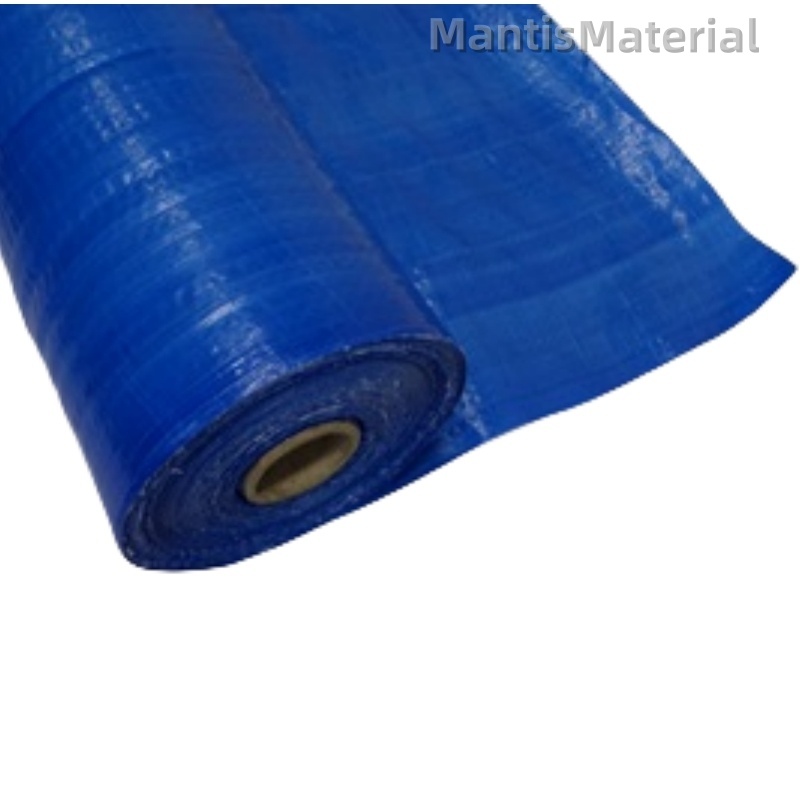
A silt fence is a permeable fabric barrier designed to intercept sediment in rainwater runoff while allowing water to pass through, making it an indispensable tool for environmental protection on construction sites, farmland, and land development projects. The core material is typically made from durable synthetic fabrics such as polypropylene, which contain tiny pores that effectively block soil particles and silt from escaping the site. This fabric is mounted on support piles made of wood or metal that keep the fence standing upright against the force of flowing water, and the lower portion is buried underground to prevent water from bypassing the barrier from beneath. Together, these components create a simple yet highly effective system for controlling erosion and protecting downstream water bodies.
 The importance of silt fences in environmental management cannot be overstated. By intercepting sediment before it leaves a project site, the fence significantly reduces soil loss and prevents gullies from forming on vulnerable slopes. This sediment, if unchecked, becomes a primary source of pollution in rivers, lakes, and streams, clouding water and harming aquatic life. Silt fences help protect water quality by reducing suspended solids, and they also prevent river siltation, which can lead to flooding and navigation hazards. On construction sites, using a silt fence ensures compliance with environmental regulations that require sediment control measures. On agricultural land, the fence protects valuable topsoil from washing away during heavy rains. For road and infrastructure projects, silt fences provide temporary protection for drainage systems and nearby waterways.
The fabric itself is designed for real world conditions. It resists UV rays, corrosion, and aging, allowing it to remain effective through weeks or months of outdoor exposure. The material also has enough flexibility to conform to uneven terrain, ensuring a close fit with the ground that prevents sediment from sneaking underneath. Standard roll sizes include 2 meters wide by 100 meters long, with finished panel sizes ranging from 2x2 meters up to 4x10 meters, and custom dimensions available. Colors such as green, black, or dark green help the fence blend into natural surroundings. For additional functionality, optional fire retardance and logo printing across the roll can be arranged. Whether you are managing a suburban housing development, a highway expansion, or a farm field, a properly installed silt fence delivers the sediment control you need to work responsibly and protect the environment.
 عربي
عربي Deutsch
 Français
 Italia
 Portugal
 España