Mantis Material: Elevate, Protect, Build.






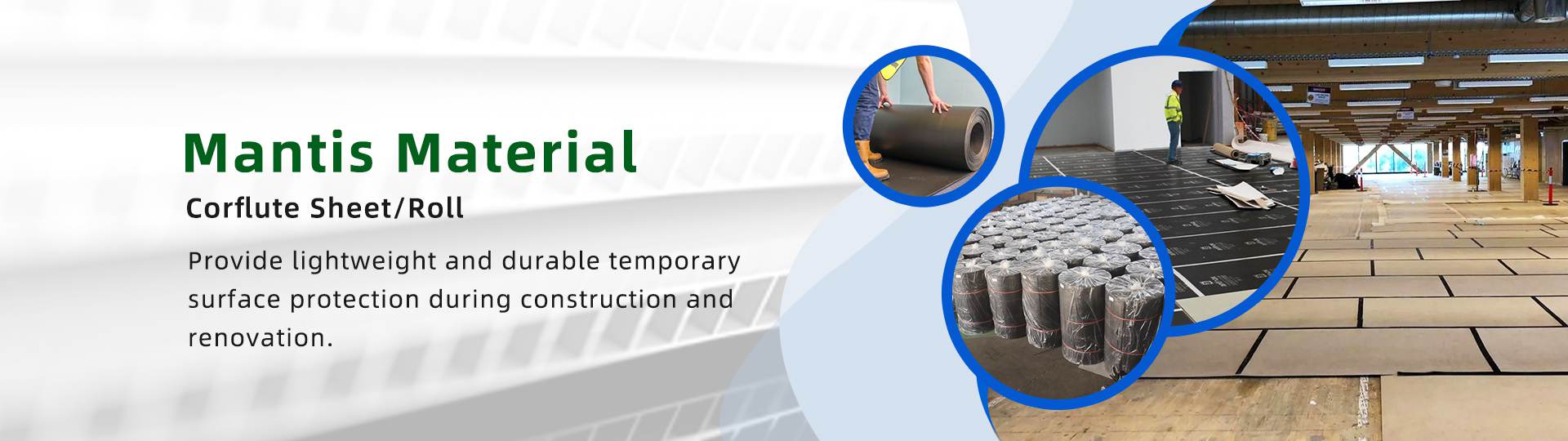
Polyweave, also known as polyethylene tarpaulin, features a double laminated reinforced construction that offers dependable water and dust resistance for temporary applications both indoors and outdoors. This fabric is made from woven polypropylene strands sealed between layers of polyethylene film, creating a material that is simultaneously lightweight, flexible, and strong. Available in weights from 80 grams to 300 grams per square meter and widths up to 4 meters, polyweave rolls come in standard lengths of 50 or 100 meters or can be custom ordered to fit specific project dimensions. The fabric resists UV damage, tears, and mildew while remaining easy to carry, bend, and fold, making it a practical choice for everything from construction site protection to emergency shelter.

Key features enhance its performance across demanding environments. The waterproof surface keeps materials and surfaces dry during rain or snow, while UV resistance prevents sun degradation during extended outdoor use. Tear resistant construction means the fabric does not easily rip at stress points, even when stretched taut or draped over rough edges. An anti slip surface adds safety when polyweave is used as walkway covering or temporary flooring on job sites. Color options include white, black, blue, green, double green with red strip, blue and orange, and custom colors, which aids in site organization or matching existing equipment. For specialized needs, optional fire retardance and logo printing across the entire roll are available.
The applications for polyweave span numerous industries and everyday situations. On construction sites, it covers materials and equipment for weather protection, and provides temporary protection for floors, walls, and stairways while making post construction cleanup easier. In transportation and logistics, polyweave shields goods during transit from rain, road spray, and sun damage. Farmers use it for crop covers, silage protection, and shade structures. Event planners rely on it for temporary shelters, ground covers at outdoor fairs, and weather barriers for staging areas. Campers and outdoor enthusiasts use polyweave for tent footprints, gear covers, and emergency windbreaks. Homeowners find it useful for covering furniture during renovations, protecting vehicles stored outdoors, or as an economical pool cover to keep out debris. Emergency services use polyweave for quick shelter after disasters, and DIY enthusiasts appreciate its affordability for countless projects from painting drop cloths to garden weed barriers. With its combination of durability, customization options, and cost effectiveness, polyweave delivers dependable performance wherever temporary or semi permanent coverage is needed.
 عربي
عربي Deutsch
 Français
 Italia
 Portugal
 España