Mantis Material: Elevate, Protect, Build.








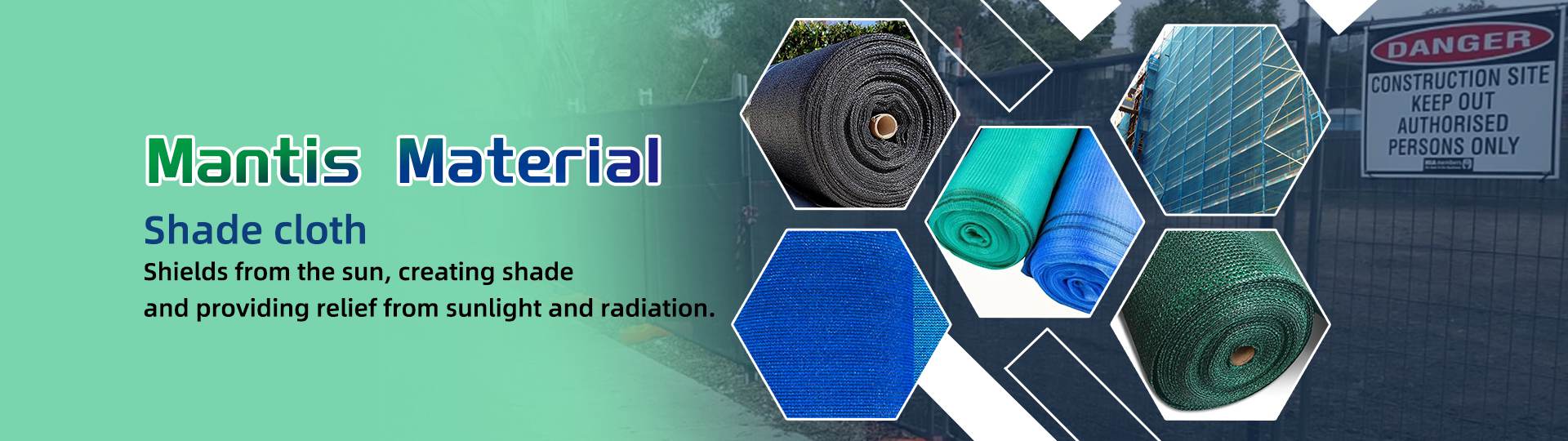

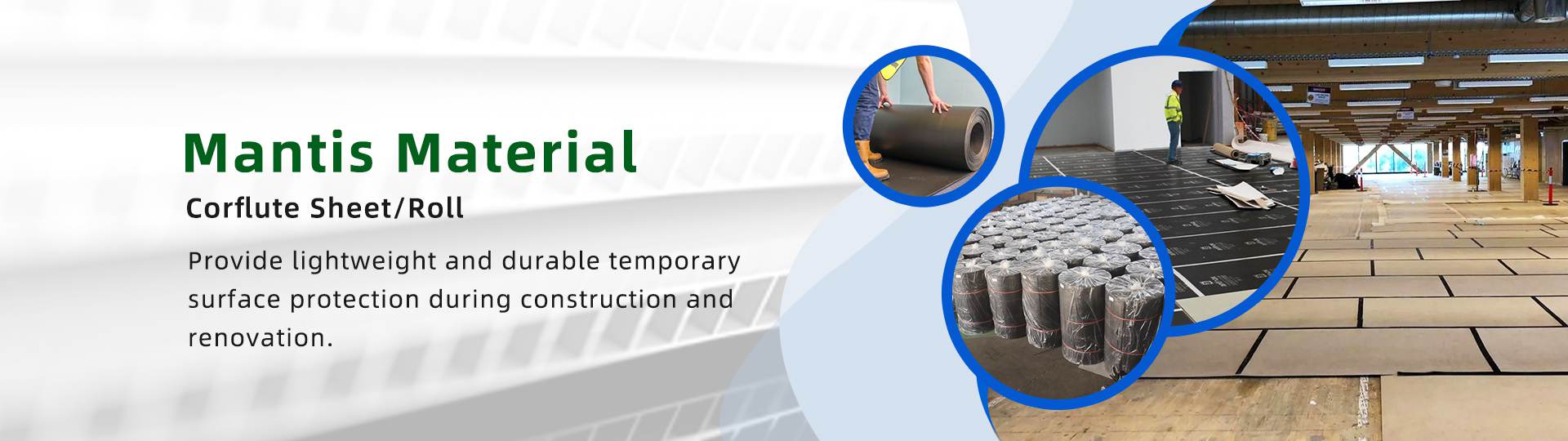
A specialized permeable fabric barrier has become an indispensable tool for environmental protection and land development projects. This silt fence is constructed from permeable synthetic materials such as polypropylene, which contains tiny pores that effectively block sediment while allowing water to flow through. The fabric is engineered to withstand harsh outdoor conditions, offering resistance to UV rays, corrosion, and aging for long-term durability. Its flexibility allows it to adapt to changes in terrain, ensuring a close fit with the ground. The system typically includes support piles made of wood or metal to keep the fabric upright and withstand the impact of water flow, while the lower portion of the barrier is buried to a certain depth to prevent water from bypassing it from below.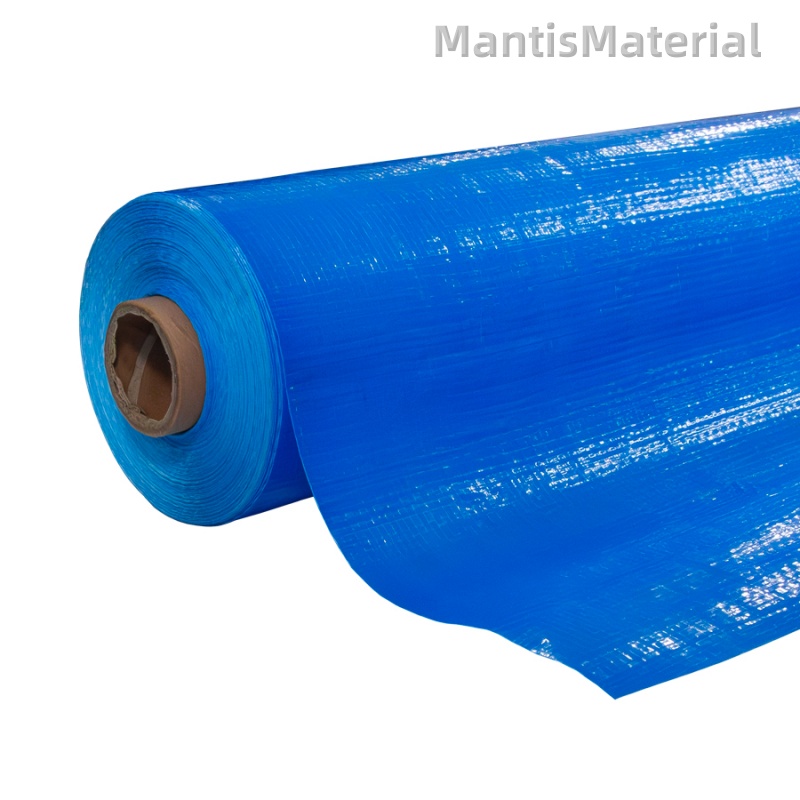 This sediment control device is widely deployed across multiple industries. On construction sites, it prevents sediment loss and protects downstream water bodies, and its use helps contractors comply with environmental regulations. In land development projects, it controls surface runoff, prevents soil erosion, and provides temporary protection. Agricultural operations install silt fences to protect farmland soil, reduce water pollution, and prevent gullies from forming. During road and infrastructure construction, the barrier is used for highway protection, bridge and tunnel projects, and temporary drainage systems.
The environmental benefits of silt fences are substantial. They effectively intercept sediment in rainwater, preventing it from flowing into rivers, lakes, and other water bodies, thereby reducing soil erosion. Since sediment is one of the main sources of water pollution, especially on construction sites and agricultural land, these barriers reduce suspended matter in water bodies and protect water quality. Additionally, by preventing silt loss, they help reduce river siltation, which can affect the smooth flow of water. The barrier is installed as an entrenched fence, intercepting and detaining transported sediment by impounding flowing water behind the fabric and creating a depositional environment. Proper installation requires anchoring the fabric securely to support posts, with the lower flap keyed into the ground to ensure effective performance. With its permeable fabric, durable construction, flexibility, and ease of application and removal, this silt barrier provides tailored protection for surfaces and promotes the longevity and quality of projects across a wide range of environmental and industrial applications.
 عربي
عربي Deutsch
 Français
 Italia
 Portugal
 España