Mantis Material: Elevate, Protect, Build.









If you’ve ever driven past a construction site after a heavy rain and seen muddy water flowing into a nearby stream, you’ve seen the problem that silt fences are meant to solve. Soil erosion isn’t just about losing dirt, it also clogs waterways and pollutes downstream lakes and rivers. That’s where a good silt fence makes all the difference.
The idea is straightforward. You take a permeable fabric, usually made from polypropylene, and stretch it between wooden or metal posts along the downhill edge of a disturbed site. The fabric has tiny pores that let rainwater seep through slowly while trapping sediment behind it. The bottom of the fence gets buried a few inches into the ground so water can’t sneak underneath. It’s a simple setup, but it works remarkably well for construction sites, land development projects, farmland, and road building.
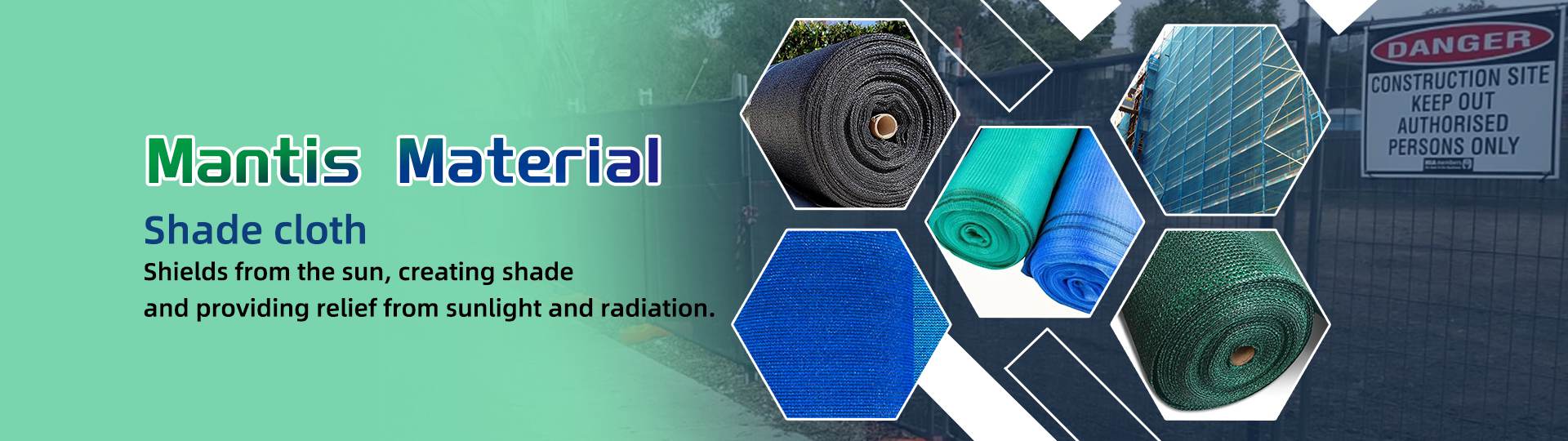
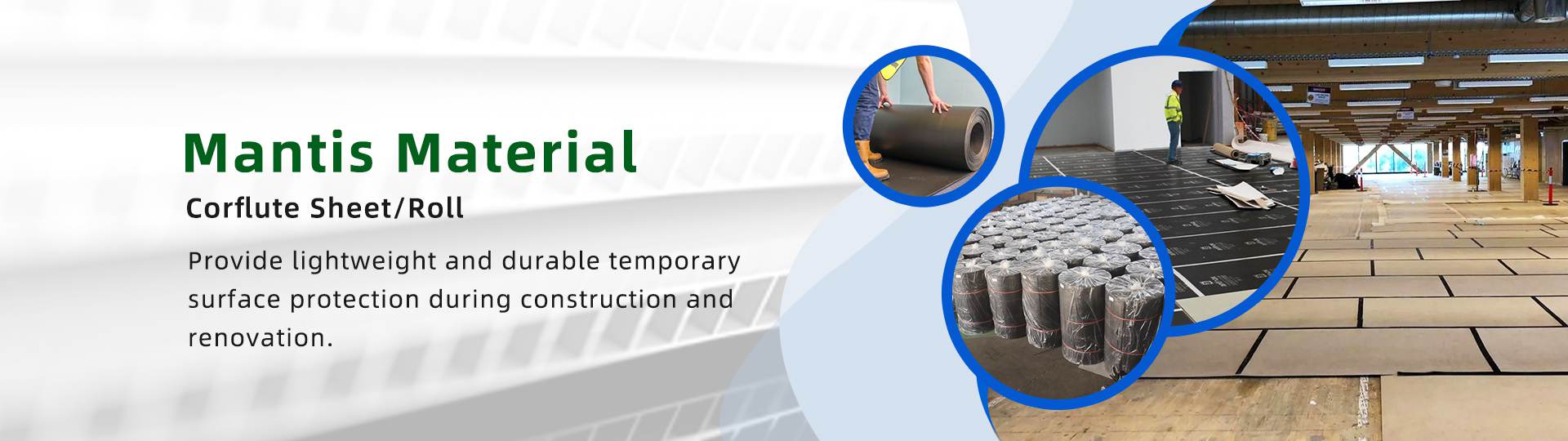
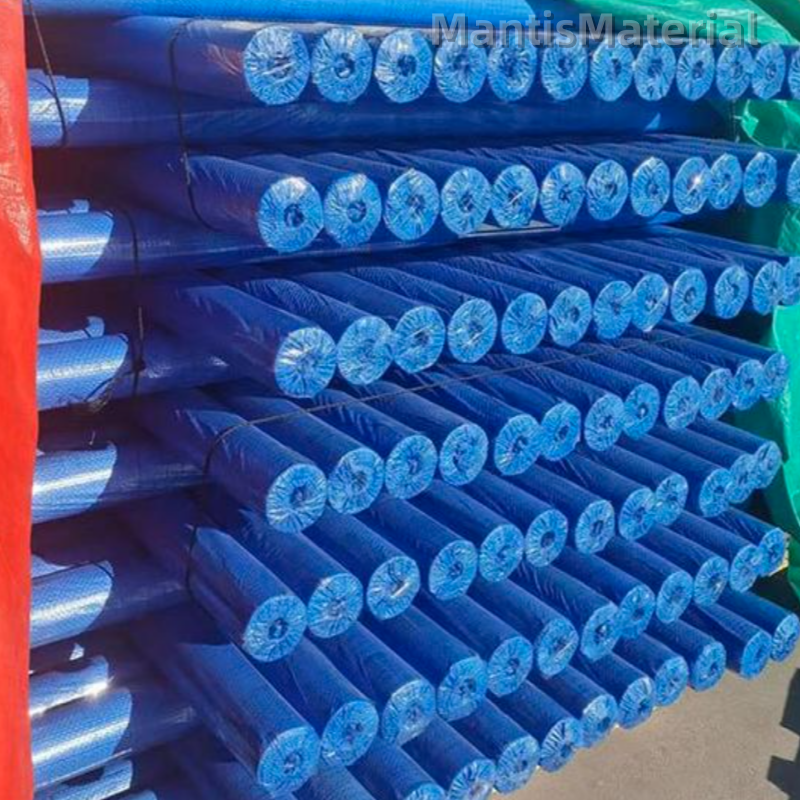
What I appreciate about these fences is how practical they are. The fabric resists UV rays, corrosion, and aging, so it holds up for months in the weather. It’s also flexible enough to follow uneven ground. You can get rolls in standard widths like 2 meters by 100 meters, or finished panels in various sizes from 2x2 meters up to 4x10 meters. Colors are typically green or black to blend in, and we can customize length, add logo printing, or even make the material fire retardant if needed.
Next time you’re managing a site where bare soil meets a slope, don’t skip the silt fence. It’s cheap, easy to install, and keeps regulators happy while protecting the water downstream.
 عربي
عربي Deutsch
 Français
 Italia
 Portugal
 España