Mantis Material: Elevate, Protect, Build.








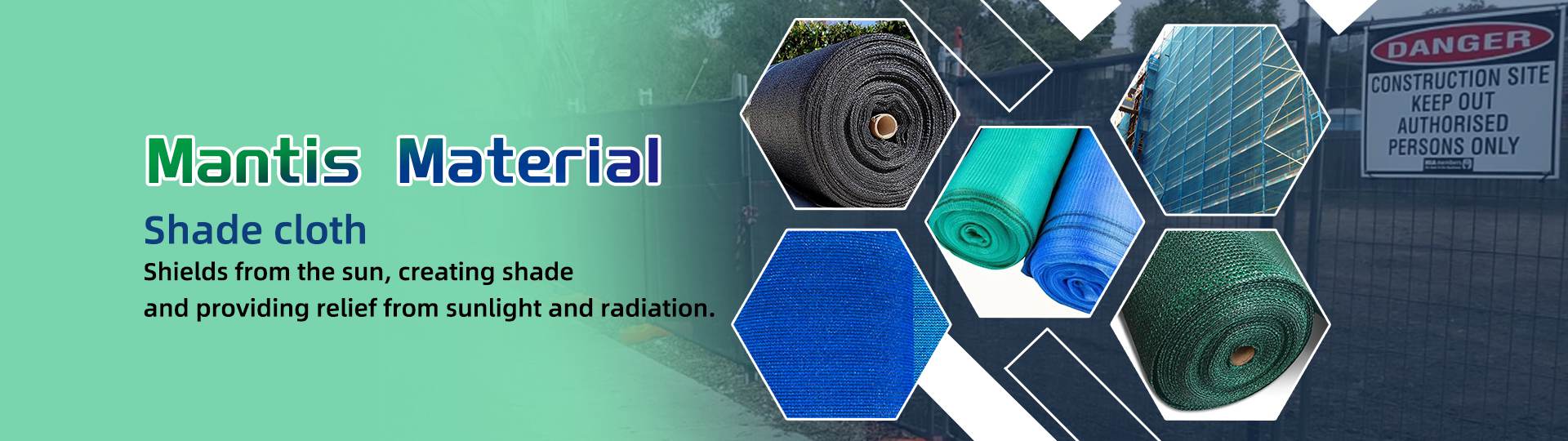
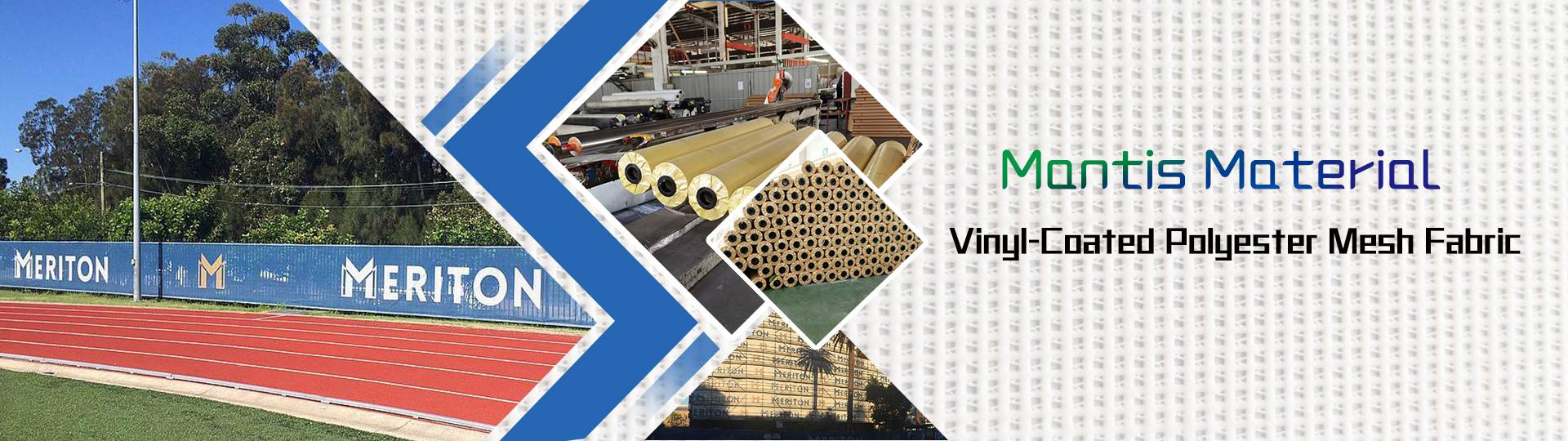
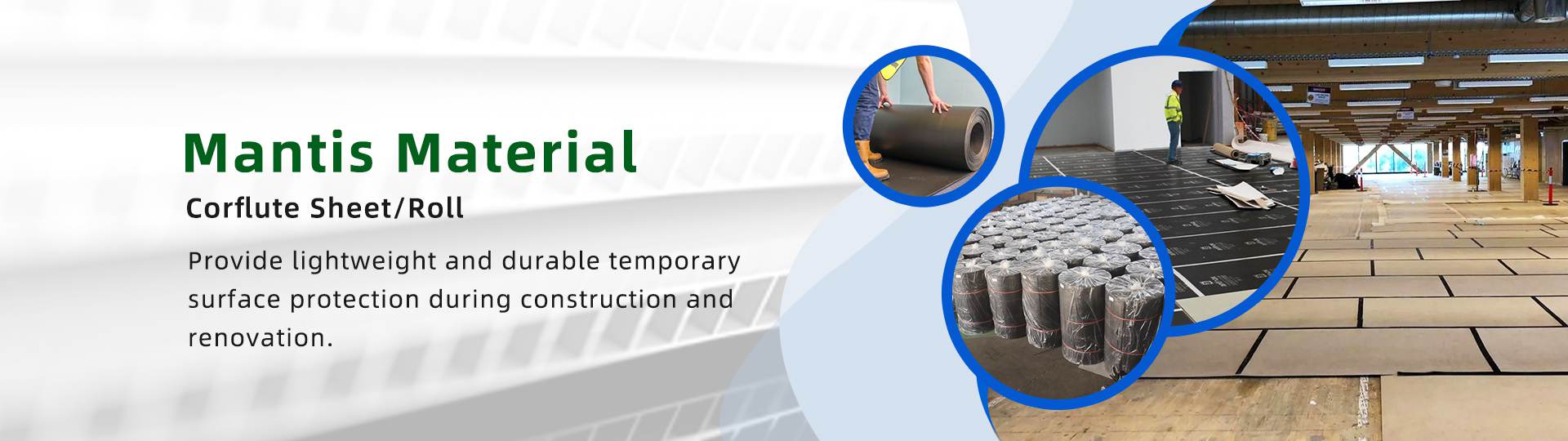
Walk past any construction site and you will see it draped over scaffolding, fluttering between floors, or stretched across temporary fences. Safety mesh is one of those products that everyone recognises but rarely thinks about, until the moment you need it and realise how much it actually does. At its core, it is a polyethylene netting, available in weights from 80 to 300 grams per square metre, and it serves a purpose that goes far beyond just looking like a green or orange barrier.
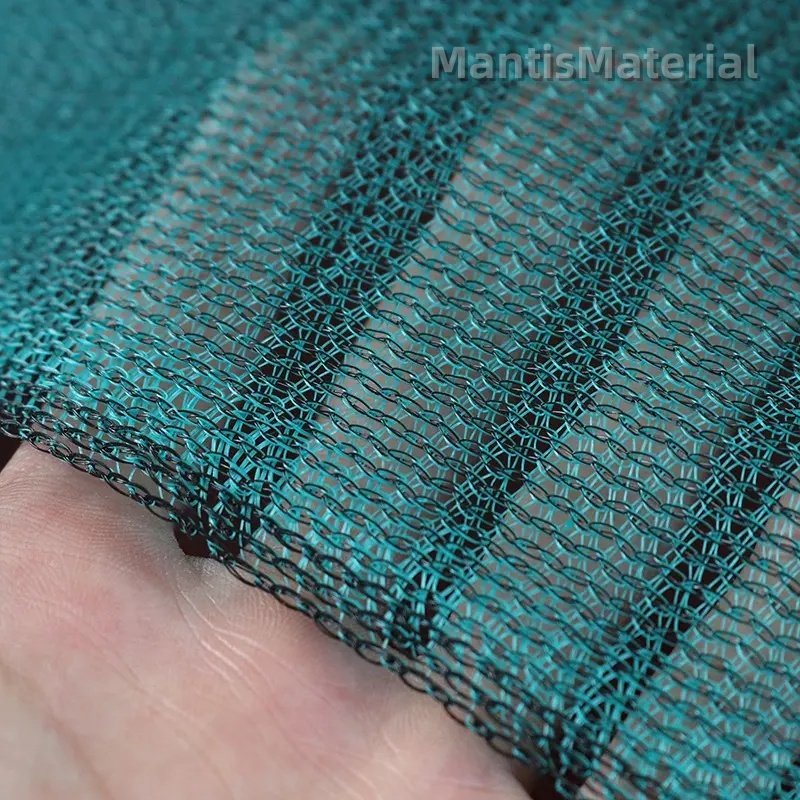
The real value of this mesh is in its dual role. On one hand, it catches debris and tools that might otherwise fall from height, protecting people working below and pedestrians walking past. On the other, it provides a visual warning and a physical reminder of the boundary between safe and unsafe areas. It is not solid like a tarp, which means wind passes through it rather than turning it into a sail, yet the gaps are small enough to stop most falling objects. That balance of openness and strength is what makes it so effective on scaffolding, around excavation sites, or anywhere you need to contain a work zone without creating a wind trap.
What I appreciate about Mantis’s safety mesh is the practicality in its design. It is made from polyethylene, so it resists moisture and does not rot or mildew when left out in the weather. It is UV stabilised to handle weeks or months of sunlight without becoming brittle, which matters when a project stretches longer than expected. The mesh comes in custom sizes, and the weight options let you choose between lighter rolls for general debris containment or heavier material for more demanding conditions. Like many of Mantis’s products, you can also add fire retardance and have your logo printed across the roll if you need site-specific branding or safety warnings.
Beyond construction, this kind of mesh turns up in all sorts of unexpected places. It works as temporary fencing for outdoor events, as a windbreak for crops, or even as a cover for stockpiles of materials that need ventilation but still need to be secured. It is not glamorous, and it is not meant to be. It is there to do a tough job in tough conditions, to catch what might fall, to mark what is off-limits, and to keep people safe without demanding constant attention. For something that hangs silently on a scaffold day after day, that quiet dependability is exactly what you want.
 عربي
عربي Deutsch
 Français
 Italia
 Portugal
 España