Mantis Material: Elevate, Protect, Build.








Walk into any cleanroom, hospital operating theatre, or precision manufacturing facility, and you will find one at the entrance. It is a sticky mat, and it does one simple job exceptionally well – it traps the dust, dirt, and microscopic particles from footwear and trolley wheels before they can contaminate a sensitive environment. The concept is straightforward: a multi-layer adhesive film that you step on, peel off when dirty, and reveal a fresh layer underneath. But the difference between a good sticky mat and a frustrating one comes down to the details.
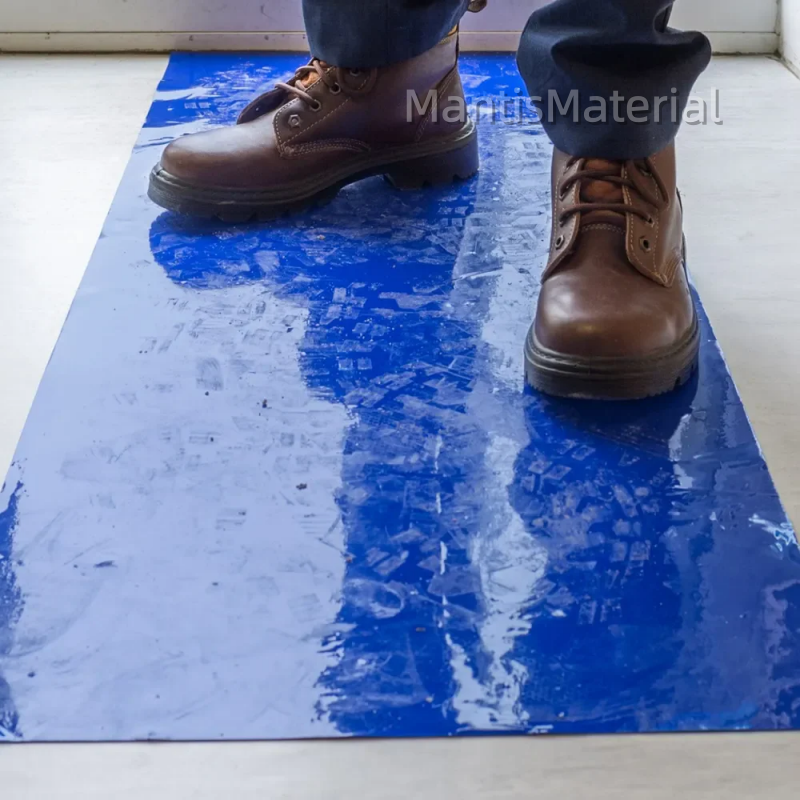
Mantis has put real thought into those details. The adhesive is water-based and pressure-sensitive, which means it grabs contaminants effectively without leaving any sticky residue behind when you peel a layer off. That is a bigger deal than it sounds, because residue on the floor is a hazard and a nuisance. Each layer is numbered, so you can see at a glance which one is next, and the film is engineered to tear cleanly rather than shredding or leaving bits behind – even in high-traffic areas where people are constantly walking over it. The mat stays firmly in place on the floor too, no slipping or curling at the edges, yet it removes cleanly when the whole pad needs replacing.
The range of sizes covers most standard entry points, from the common 0.9 metres by 1.13 metres down to smaller 0.6 by 0.9 metre mats. Colours include white, grey, and blue, which are practical choices because they show dirt clearly so you know when to peel. The mats are individually wrapped for shipping, which keeps them clean and ready to use, and the eco-friendly materials are a nice bonus in industries that increasingly care about their environmental footprint.
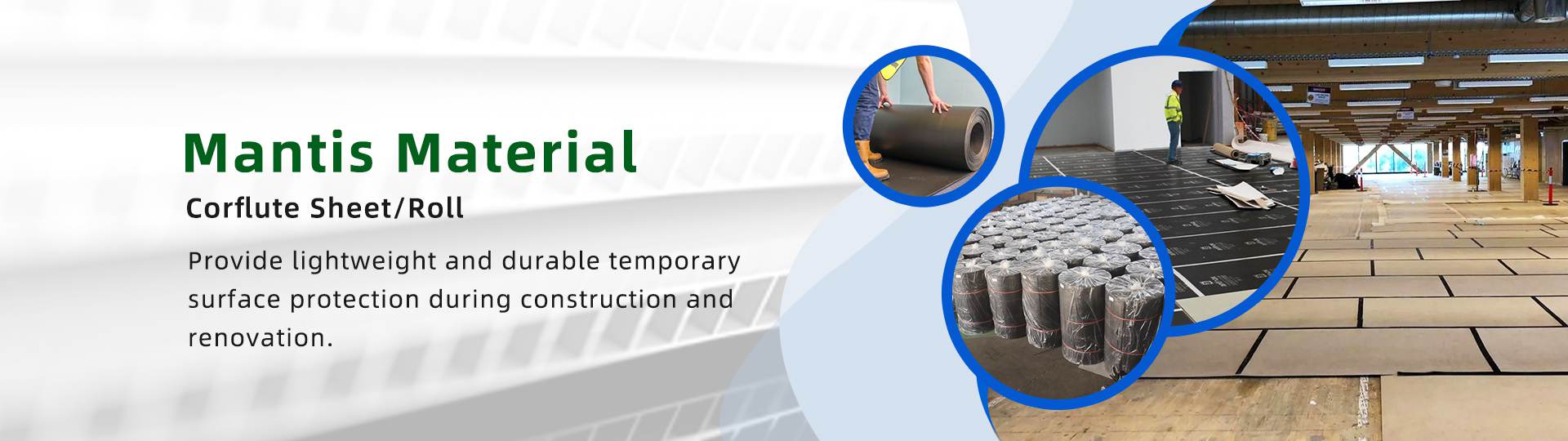
You see these mats everywhere once you start noticing them – at the entrance to electronics assembly lines where a single speck of dust can ruin a microchip, in pharmaceutical cleanrooms where contamination control is non-negotiable, and even in hospitals and laboratories where hygiene is critical. But they are not just for high-tech industries. Construction sites use them during renovations to stop dust migrating from work zones into occupied areas. Shops, offices, and even homes benefit from them in high-traffic entrances during messy projects. It is a simple solution to a universal problem, and it works precisely because it does not try to be complicated. You put it down, it traps the dirt, and when it is full, you peel it off and move on. For something so basic, it saves an extraordinary amount of cleaning time and hassle.
 عربي
عربي Deutsch
 Français
 Italia
 Portugal
 España