Mantis Material: Elevate, Protect, Build.








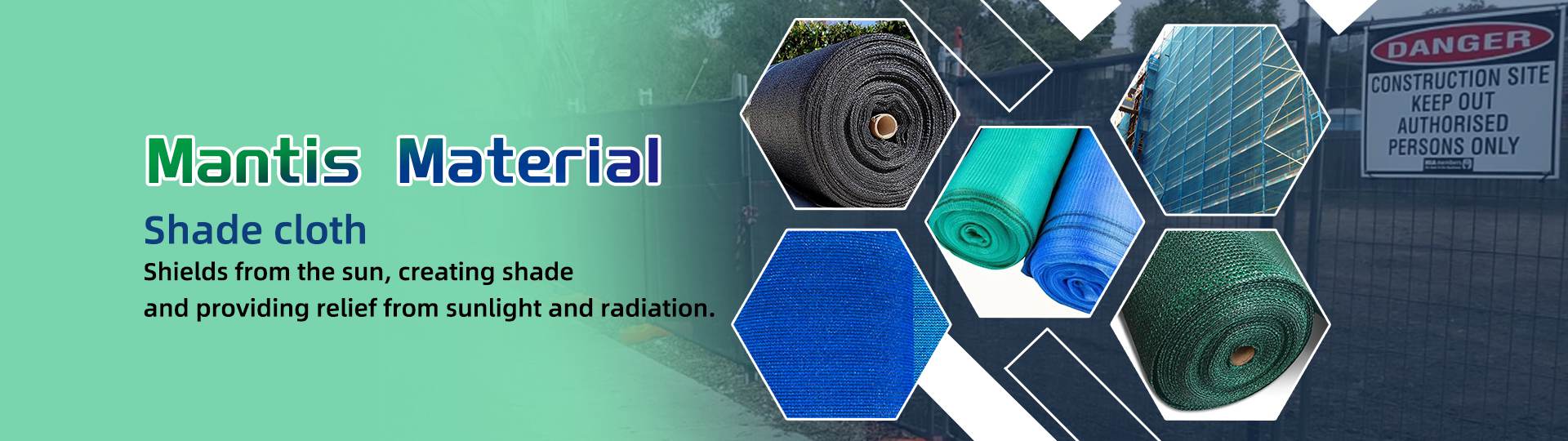
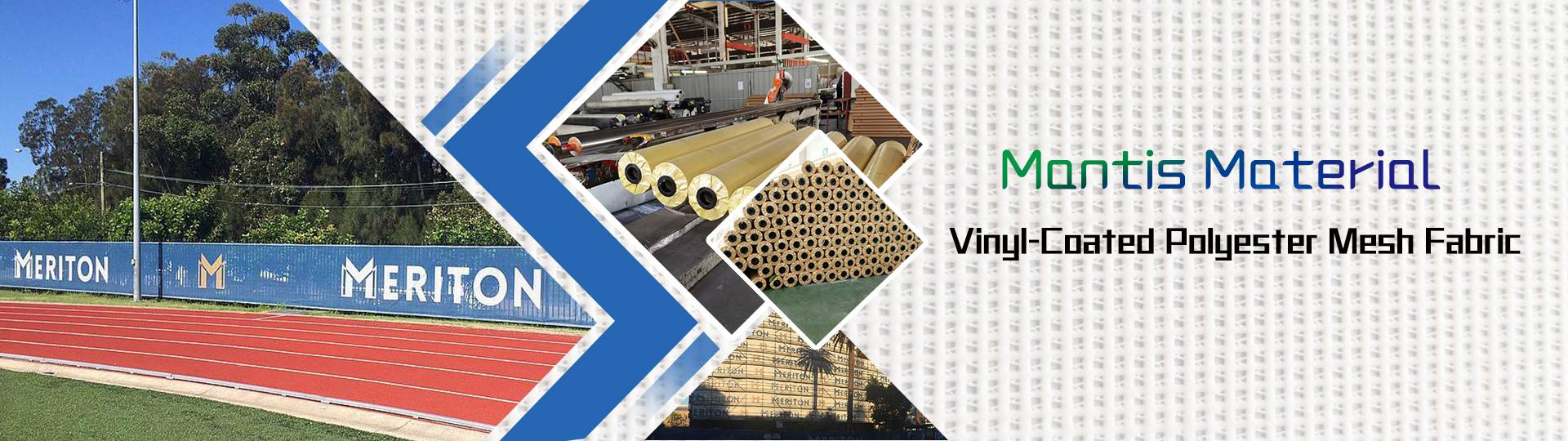
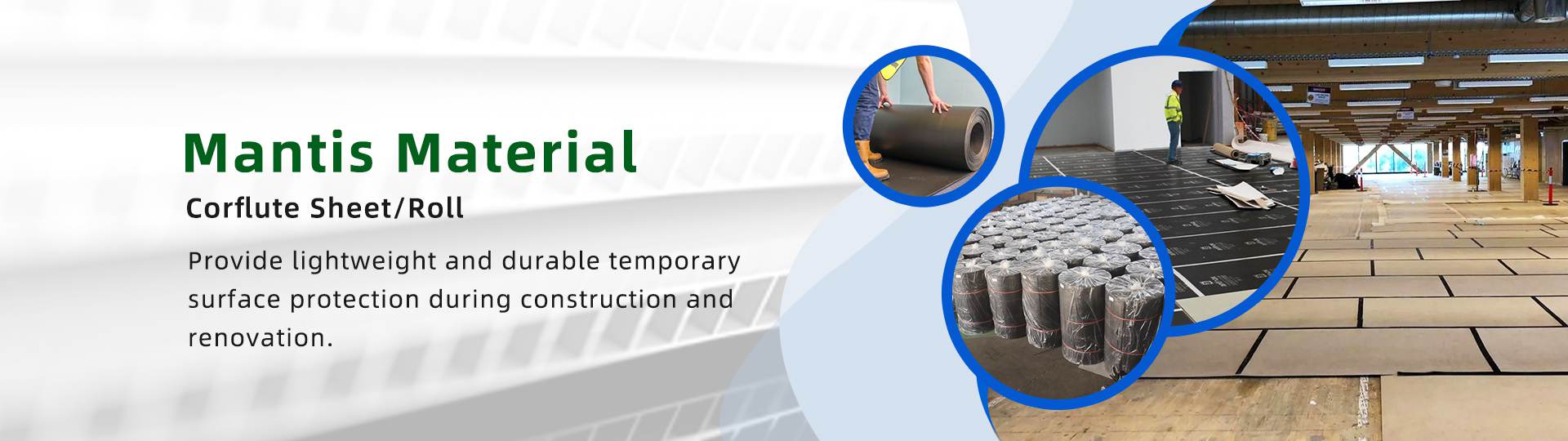
Barrier mesh is one of those materials that looks straightforward but turns out to be surprisingly useful once you start working with it. It is a flexible, permeable fabric made from high-strength materials like PVC-coated polyester, designed to protect, isolate, and filter across a wide range of applications. The mesh construction gives it a useful balance – it is open enough to let light and air through, yet dense enough to keep things contained or keep unwanted elements out. That combination of breathability and strength is what makes it so adaptable.
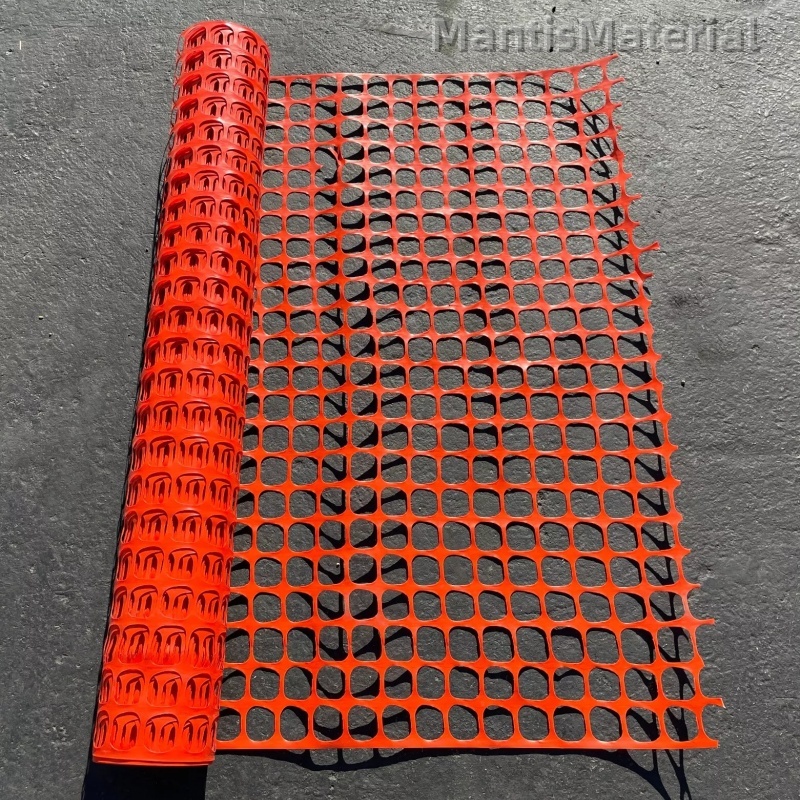
The construction is practical and tough. It resists corrosion, weather, and UV damage, so it holds up in harsh outdoor environments for extended periods without going brittle or breaking down. The weave comes in options like 6x6 or 9x9 threads per inch, and the weight ranges from around 180 to 260 grams per square metre, depending on the level of durability you need. The standard colour is white, but they offer a full range of custom colours, and you can add fire retardance or have your logo printed across the entire roll if that matters for your site. The rolls themselves come in 50 or 100 metre lengths and either 1.6 or 1.8 metres wide, with custom sizes available.
The range of applications is genuinely broad. On construction sites, it works as temporary safety fencing, keeping people out of dangerous zones, and as debris netting on scaffolding to catch falling tools or materials. In agriculture and horticulture, it serves as insect netting to protect crops, as shade cloth to moderate light intensity, or as support netting for climbing plants like grapes and cucumbers. For environmental uses, it is effective as dust control netting over exposed earth or as bird netting at airports and orchards. It even shows up in more specialised roles like filtration or as a support layer in various industrial processes.
Installation is straightforward – you choose the right material for your needs, fix it securely to posts or frames, and lay it out to cover the target area effectively. Regular inspection and cleaning keep it performing well, especially in agricultural settings where dust and debris can clog the mesh and reduce its effectiveness. For something that seems so simple, barrier mesh does a remarkable amount of heavy lifting across different industries. It is not glamorous, but it is dependable, and that dependability is exactly what you want when you are trying to keep a site safe, a crop healthy, or a project on track.
 عربي
عربي Deutsch
 Français
 Italia
 Portugal
 España