Mantis Material: Elevate, Protect, Build.








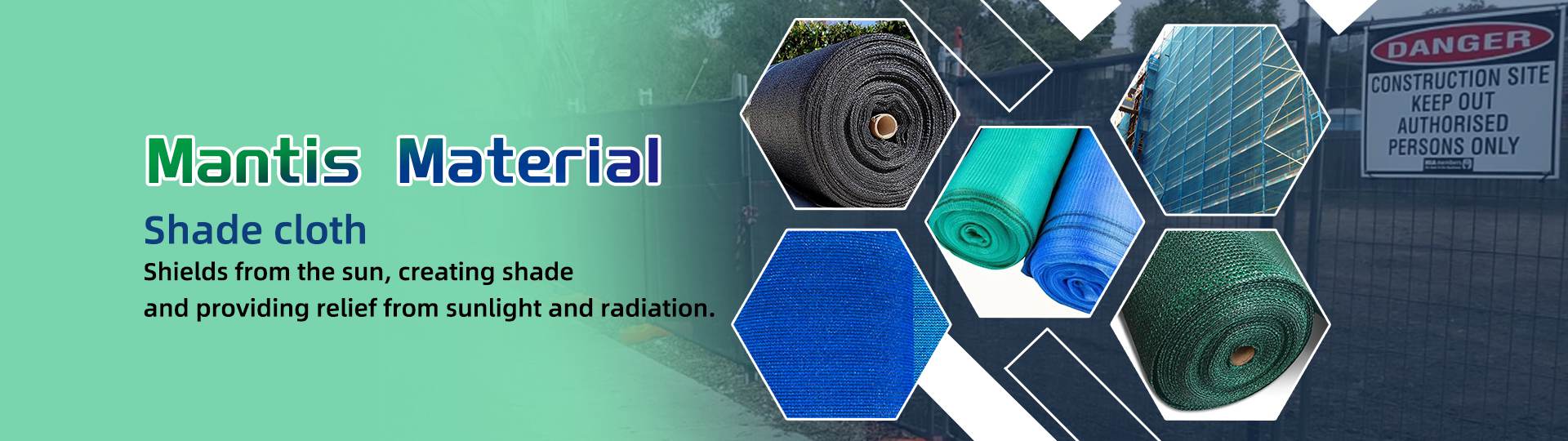
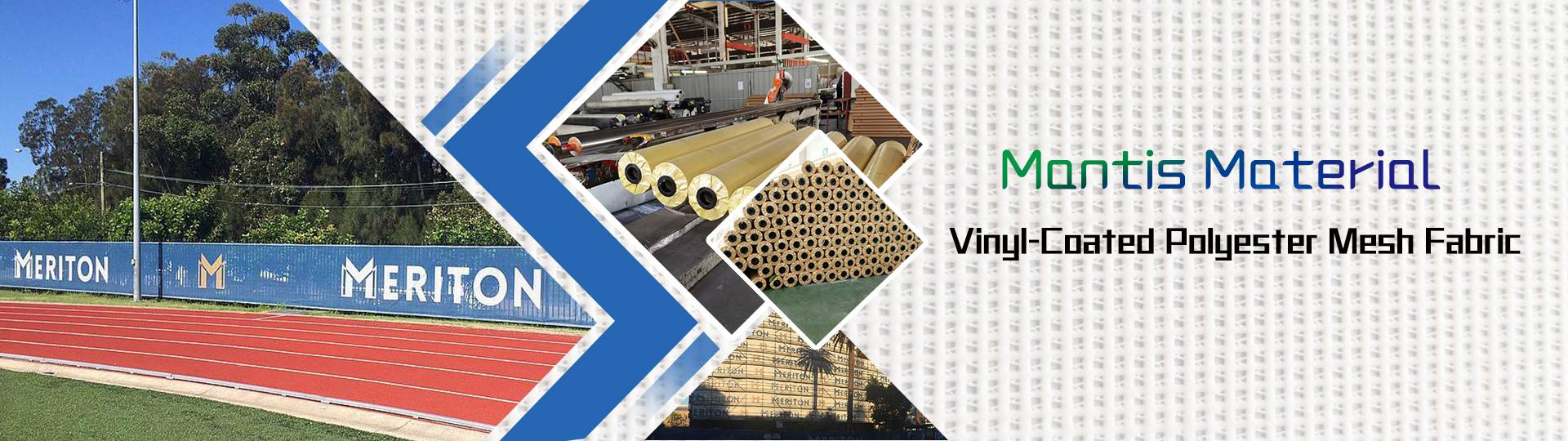
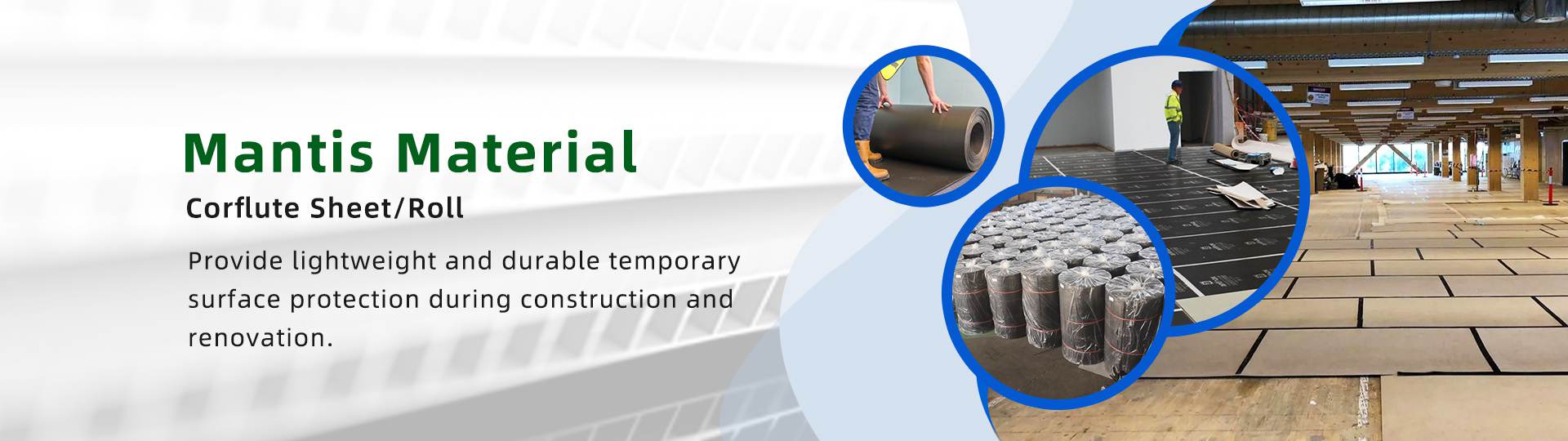
If you’ve ever driven past a construction site and noticed what looks like a black or green fabric fence, you’ve seen a silt fence in action. It might not look like much, but this unassuming barrier is a workhorse for environmental protection. Its job is straightforward but crucial: to catch sediment and stop it from washing into storm drains, rivers, or lakes. It’s one of those things that’s easy to overlook until you realize the mess and environmental damage that soil runoff can cause.
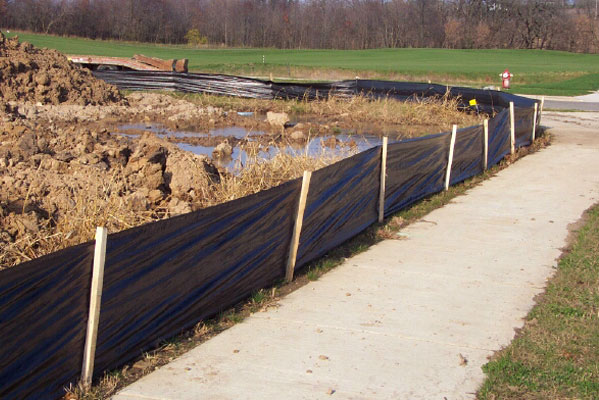
The secret to its effectiveness is in the fabric itself. Made from a permeable synthetic material like polypropylene, it’s full of tiny pores. These pores are perfectly sized to let water flow through while trapping soil particles. For it to work properly, the bottom edge of the fence needs to be buried a few inches into the ground. This simple step prevents water from sneaking underneath and carrying sediment along with it. The fence is then held upright by sturdy posts, usually wood or metal, and the whole setup is tough enough to handle UV rays and different weather conditions.
You’ll see these fences used everywhere from large housing developments to road projects and even on farmland. For construction companies, it’s often a requirement to stay in line with environmental regulations. On agricultural land, it helps protect valuable topsoil and prevents gullies from forming. What I appreciate about a good silt fence is its adaptability. It has enough flexibility to follow the natural curves of the land, ensuring a snug fit against the ground. Plus, it’s designed for temporary use; it’s easy to install and, when the project is finished, simple to remove.
The basic specs are fairly standard, like roll sizes of 2 meters by 100 meters, but the real utility comes in the customization. You can get it in different colors, various finished panel sizes, and even with custom logo printing. For more specific needs, they also offer flame-retardant options. It’s a practical, no-nonsense solution that does exactly what it needs to do: hold the dirt in place so it doesn’t become someone else's problem downstream.
 عربي
عربي Deutsch
 Français
 Italia
 Portugal
 España