Mantis Material: Elevate, Protect, Build.








We’ve all seen them—those seemingly unassuming layers of film placed at the entrance of a cleanroom, a hospital ward, or even a high-end electronics workshop. They look simple, almost mundane. But a sticky mat, or cleanroom adhesive mat as it’s technically known, is often the first and most critical line of defense against the invisible chaos of dust, dirt, and microscopic particles. It’s a silent gatekeeper, and honestly, it does a job that no mop or vacuum could ever truly replicate.
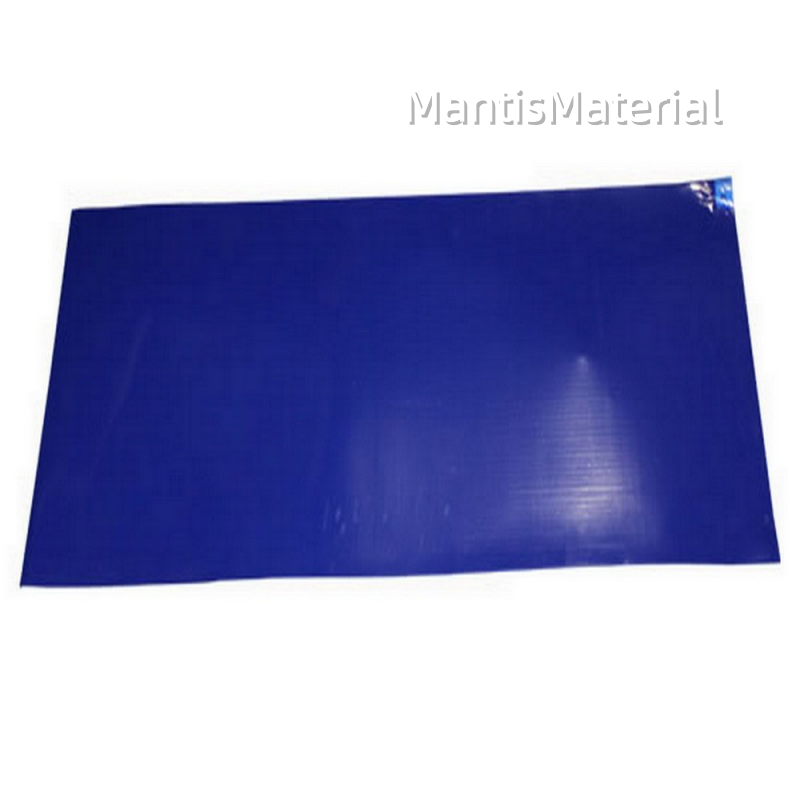
Think about it for a second. Every time someone walks into a controlled environment, their shoes are carrying a tiny universe of grime from the outside world. A good sticky mat doesn’t just sweep that aside; it actively grabs hold of it. Using an eco-friendly, pressure-sensitive adhesive, these mats are engineered to be sticky without being messy. There’s no residue left on the floor, no toxic smell, and no complicated process—just pure, efficient trapping of contaminants.
What I really appreciate about a well-designed sticky mat, like the ones described, is the sheer thoughtfulness in its construction. It’s not just one sheet of sticky plastic; it’s a multi-layered stack. When the top layer gets visibly dirty, you simply peel it off. It comes away cleanly, without leaving that annoying adhesive residue behind, revealing a fresh, spotless layer underneath. Numbered labels on the edges make this peel-off process even easier, which is a small but brilliant touch for busy environments where time is money.
The versatility is another aspect that’s easy to overlook. We tend to associate these mats with sterile labs or hospitals, but the applications are surprisingly wide-ranging. Sure, they’re crucial for semiconductor fabrication and pharmaceutical production where even a single speck of dust can ruin a batch or a microchip. But they're equally valuable in construction and renovation projects, where they stop dust from migrating through a whole building. I’ve even seen them used at the entrances of gyms and busy workshops, proving that you don’t need a cleanroom to appreciate a cleaner floor.
Durability is a key feature that often goes unnoticed until it’s missing. The last thing you want is a mat that tears mid-peel, leaving bits of film stuck to the floor. The better ones are specially engineered to be tear-resistant and durable enough to withstand the constant traffic of trolley wheels and heavy boots. They stay firmly planted on the floor without slipping around, yet they’re also removable without damaging the surface underneath.
Finally, the detail that seals the deal is the commitment to eco-friendly packaging, which ensures that the product arrives in perfect condition, whether it’s for a local lab or international shipping. It’s these layers of functionality—practical, versatile, and durable—that make the humble sticky mat a quiet but essential workhorse. So, next time you see one, give it a little nod. It’s working harder than you might think to keep the world around us just a little bit cleaner.
 عربي
عربي Deutsch
 Français
 Italia
 Portugal
 España