Mantis Material: Elevate, Protect, Build.







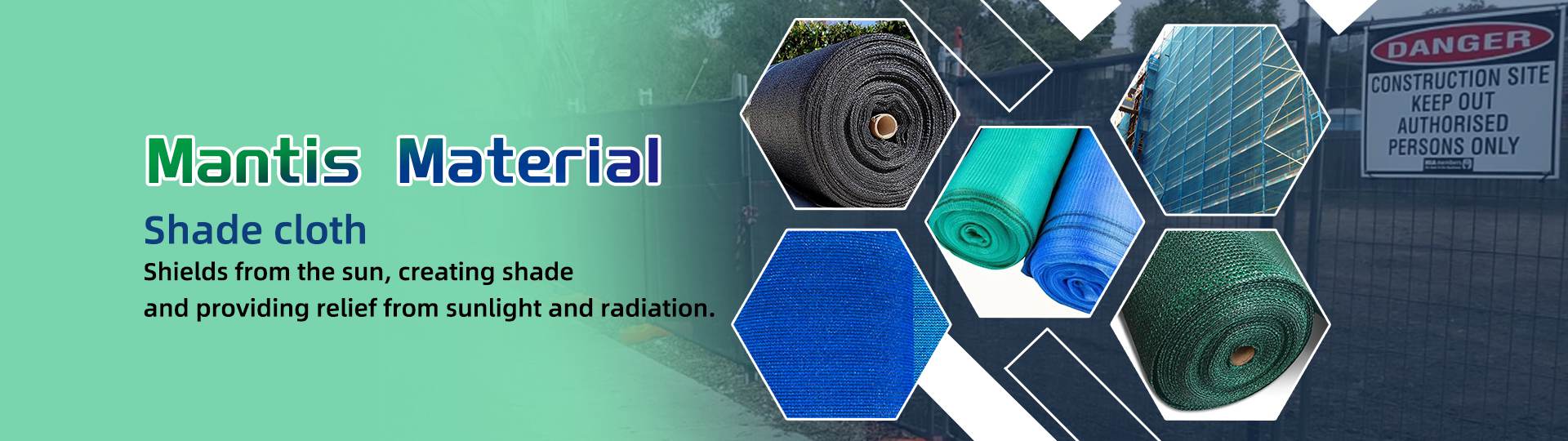
We often talk about the heavy machinery, the blueprints, and the materials that physically build our world. But we rarely talk about the environment in which that building happens. Spend a day on a construction site under a blazing summer sun, and you'll quickly understand that one of the most critical tools isn't a crane or a nail gun—it's shade cloth. It's easy to overlook, but a good shade cloth fundamentally changes a work site, making it safer, more comfortable, and genuinely more productive.
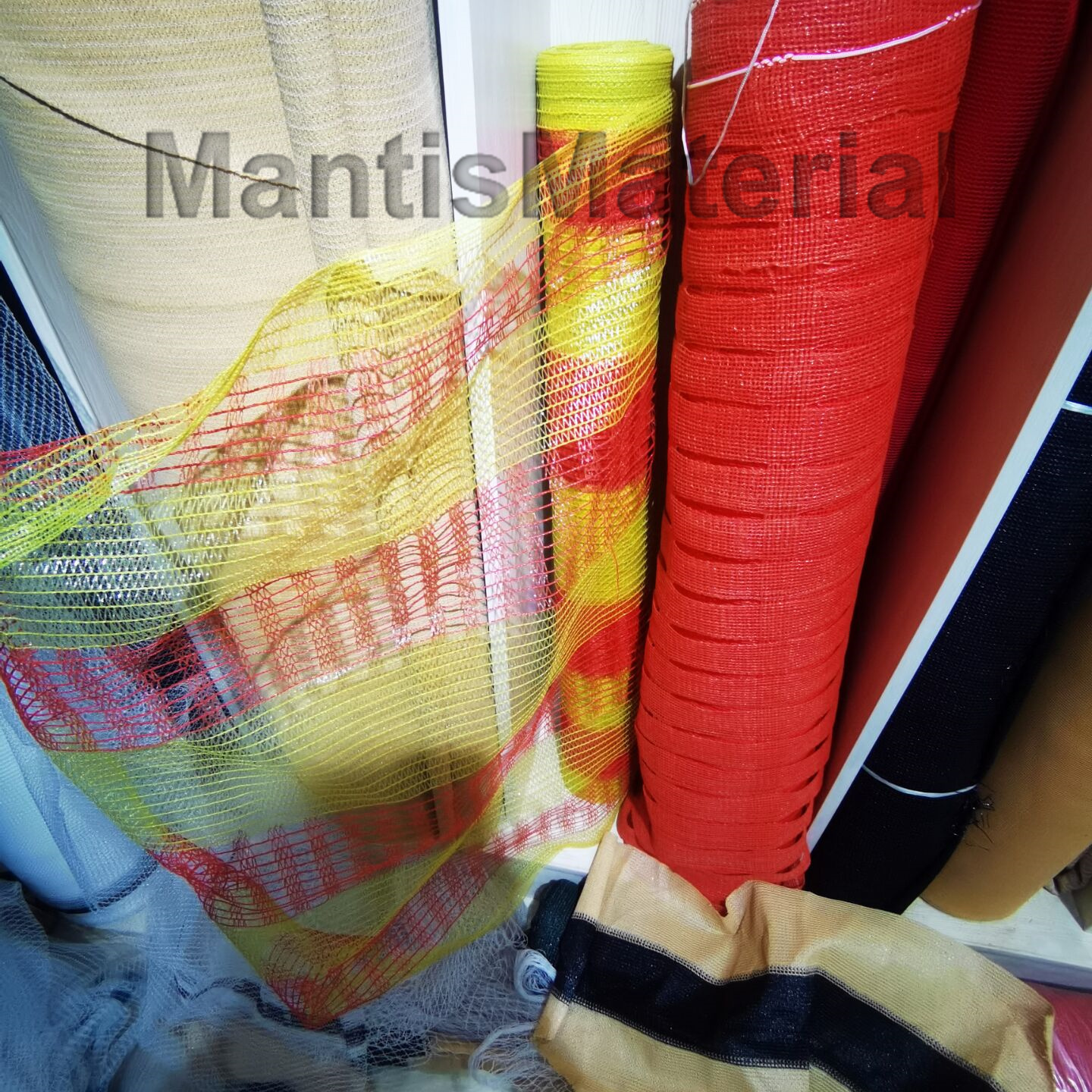
At its core, shade cloth is remarkably straightforward. It’s a fabric, often made from durable polyethylene, that's designed to block a percentage of the sun's rays. But that simple action creates a cascade of benefits. On a hot day, the temperature under a well-placed shade cloth can feel dramatically different. This isn't about a little relief; it's about worker wellbeing. People can work longer and more safely when they aren't battling heat stress. It protects materials, too. Paints, sealants, and even certain plastics can degrade or behave unpredictably under intense UV exposure. Keeping them under a protective canopy isn't just convenient; it's a practical necessity for quality work.
What I appreciate about the Mantis Material shade cloth specifically is that it seems designed with the real-world chaos of a job site in mind. The customizable sizing is a game-changer. A site isn't a neat grid; it's an irregular, constantly evolving space. Being able to get a shade cloth tailored to your exact dimensions means no frustrating gaps or wasteful overlap. It fits properly, and it stays put.
The different levels of block out—from 30% to a dense 90%—are where the real flexibility shines. It’s not a one-size-fits-all scenario. For a scaffold where you still need plenty of light to see what you’re doing, a 30% block-out mesh might be perfect. It cuts the harsh glare and a lot of the heat while maintaining visibility. But for a material storage area, you might want that heavy-duty 90% block-out to protect your goods from the absolute worst of the sun. That kind of choice shows an understanding of how sites actually operate.
Durability is also a key factor. This isn't a flimsy tarp that will fray and tear after a few weeks. With an outdoor lifespan of up to ten years, thanks to UV stabilizers, it’s a long-term investment. You can install it, use it across multiple projects, and still have it perform. The optional fire retardance is another thoughtful touch, adding an extra layer of safety in environments where sparks and hot work are common.
Beyond the practical, there's something to be said for the psychological lift that a shaded, well-organized space provides. A work area that feels controlled and protected also feels more professional and less chaotic. It signals that the people running the site care about the details and the crew. So, while the blueprints detail the final structure, the shade cloth is part of the unsung infrastructure that makes building it possible. It's a simple fabric, but its impact on comfort, safety, and efficiency is anything but simple.
 عربي
عربي Deutsch
 Français
 Italia
 Portugal
 España