Mantis Material: Elevate, Protect, Build.








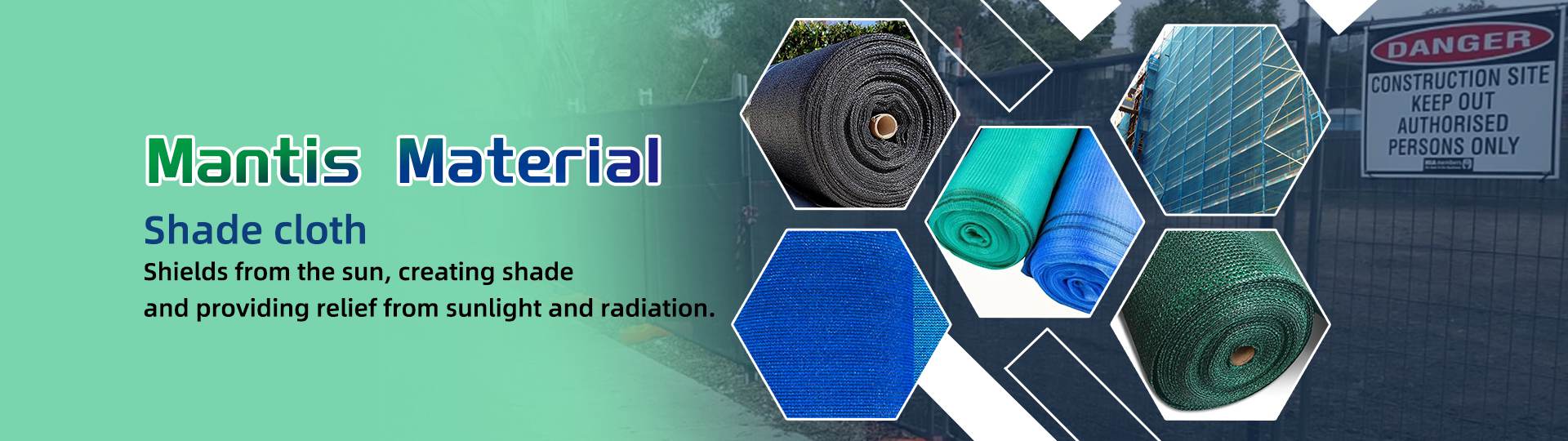
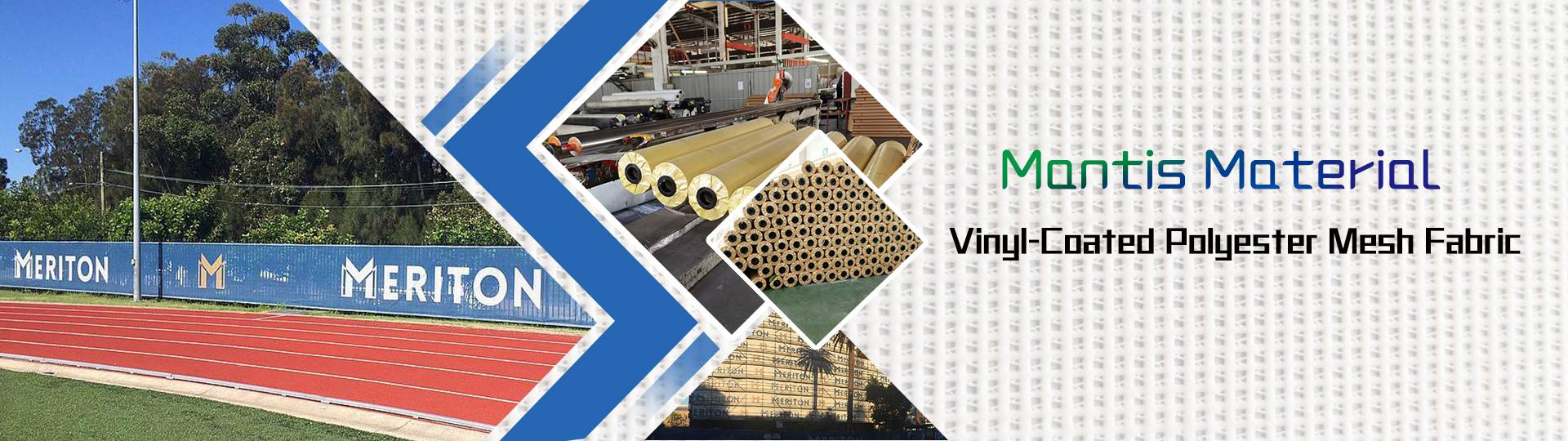
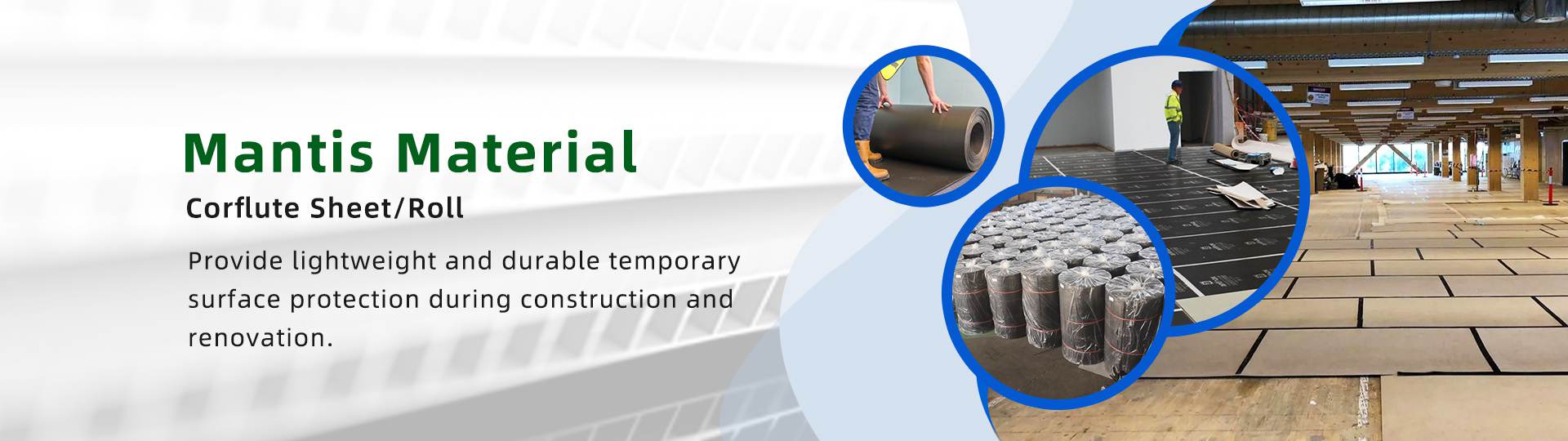
There's a certain beauty in a product that does its job so quietly and effectively that you almost forget it's there. Barrier mesh is exactly that kind of product. It doesn't make a lot of noise, it isn't flashy, but walk onto any construction site, past a farm, or even near an airport, and you'll see it hard at work. It's a simple mesh material, but its job is incredibly important: it protects, isolates, and filters, often in situations where safety and efficiency are paramount.
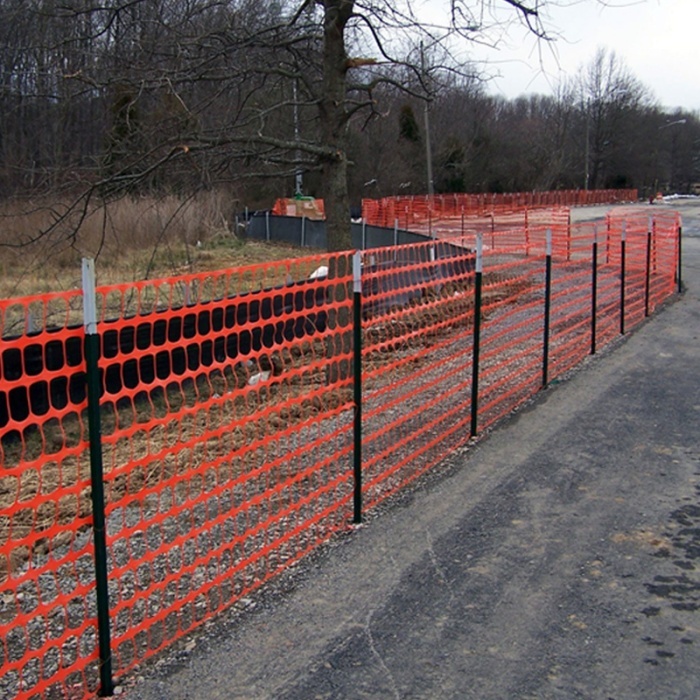
What I find fascinating about barrier mesh is its sheer versatility. At its core, it's a high-strength material, often made from durable polymers, that's designed to withstand harsh conditions. It's resistant to corrosion, weather, and UV rays, meaning it can be left outside for extended periods without falling apart. But that's just the baseline. The real magic is in how it can be adapted. It’s available in different weights, weaves, and colors, which allows it to be customized for a huge range of specific jobs.
On a construction site, for example, barrier mesh is an absolute workhorse. You'll see it used as temporary safety fencing, clearly marking off dangerous areas and keeping unauthorized people out. It's also used as debris netting on scaffolding. This isn't just about containment; it's about protecting people working below from falling tools or materials. It creates a visible and physical barrier that significantly reduces the risk of accidents, which is something every site manager values.
But its usefulness extends way beyond building sites. In agriculture and horticulture, it plays a completely different but equally vital role. Farmers use it as insect netting, creating a physical barrier that keeps pests away from crops without the need for heavy pesticide use. This is a huge win for both the environment and the quality of the produce. It also acts as a shade net, protecting delicate plants from the scorching sun, and as a support net for climbing plants like grapes and cucumbers. It’s interesting how the same material can protect a worker and help a plant grow.
Another clever application is in environmental protection. You might see barrier mesh used as dust control netting on large construction sites or open-pit mines, covering exposed soil to prevent dust from blowing into the air. It’s also used as bird netting at airports and orchards to keep birds away from aircraft and crops. It's a simple, physical solution to what can be complex problems.
One thing to appreciate is the ease of use. It's designed for straightforward installation and removal. It can be firmly fixed to structures and, with regular checks and simple cleaning to prevent the mesh from clogging, it will stay effective for a long time. The fact that you can also get it with fire retardant properties or printed with your logo just adds to its practicality. In the end, barrier mesh is a quiet testament to the fact that sometimes the most effective solutions are also the most straightforward. It's a simple sheet of mesh, but it’s hard to imagine a modern worksite, farm, or safety system without it.
 عربي
عربي Deutsch
 Français
 Italia
 Portugal
 España