Mantis Material: Elevate, Protect, Build.








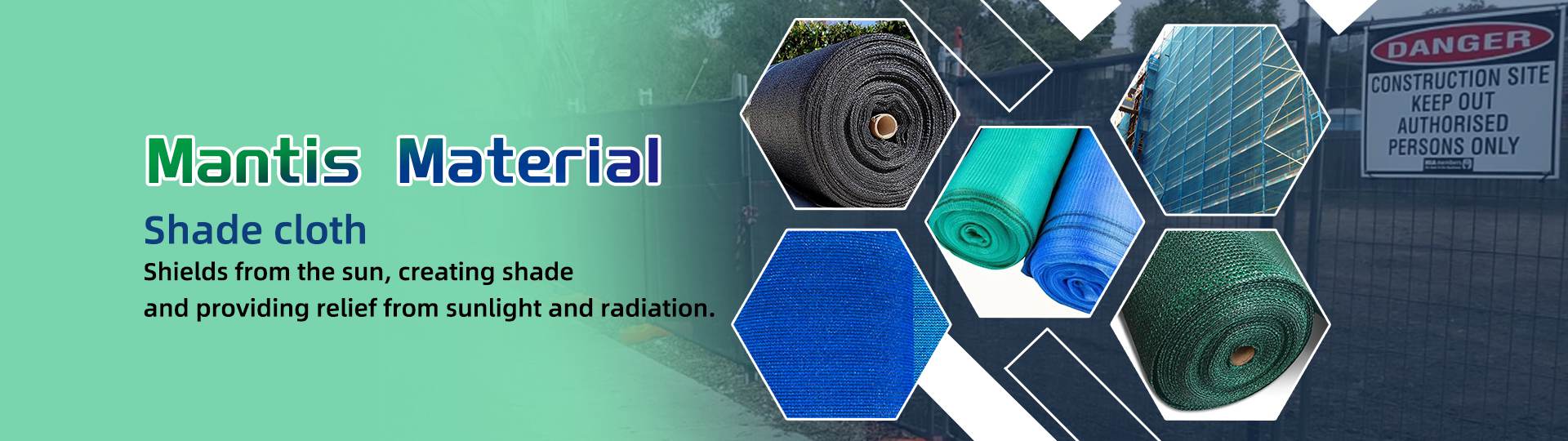

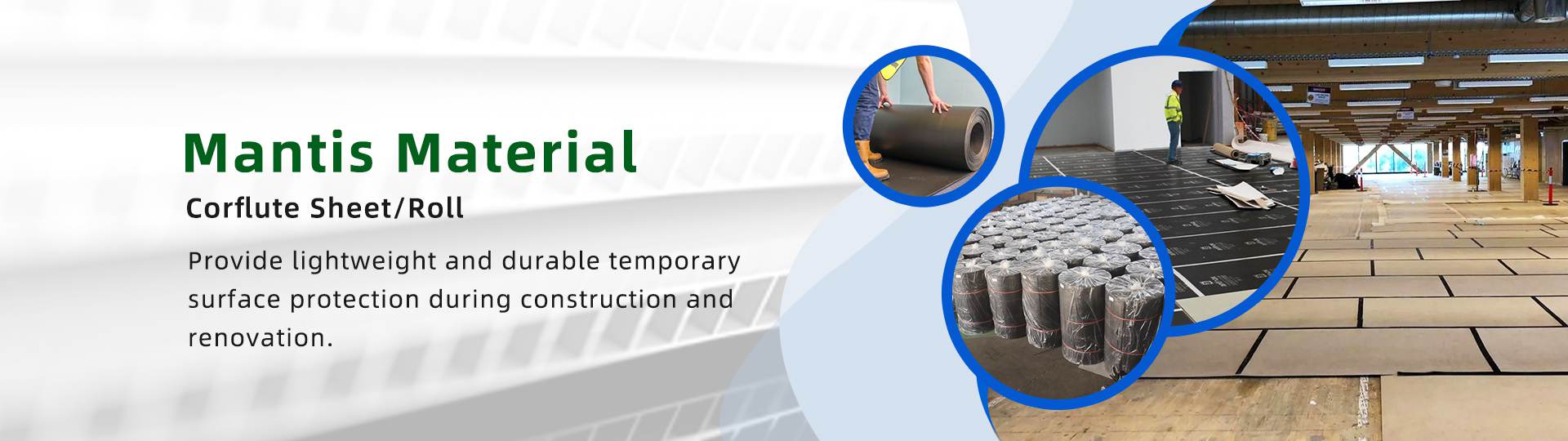
You know, we often talk about the big, visible parts of construction and development—the cranes, the concrete, the steel frames. But some of the most critical work happens at the edges, in the quiet, often overlooked details of environmental protection. A silt fence is one of those details. It’s not glamorous. It’s just a simple fabric fence, often dark green or black, strung along the perimeter of a construction site. But its job is incredibly important: it’s the silent guardian of our soil and water.
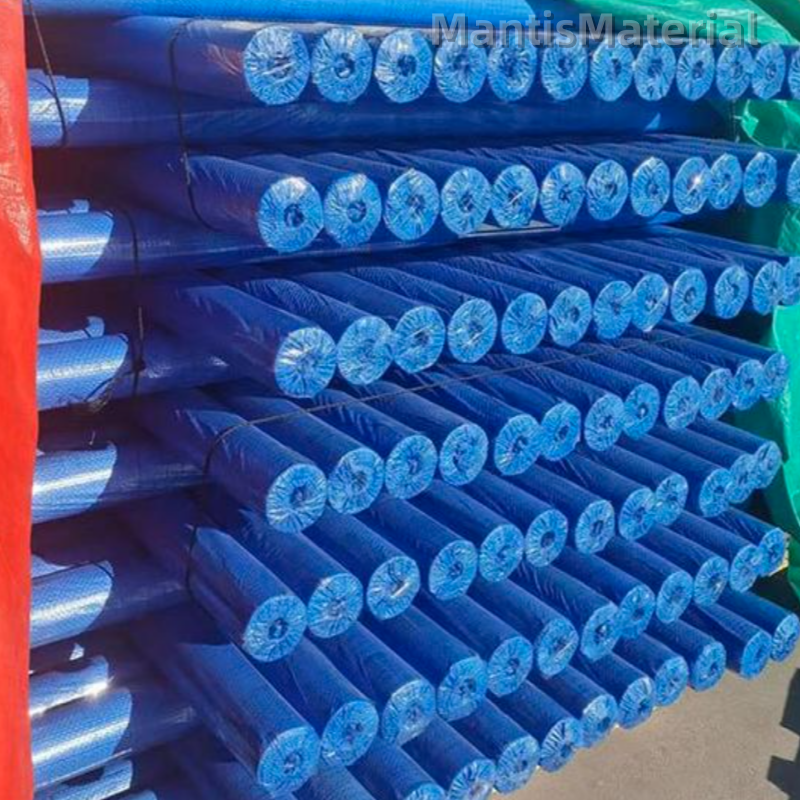
Think about what happens when land is disturbed. Rain falls on bare, exposed earth, and instead of soaking in, it runs off, picking up loose soil and turning into a muddy, sediment-laden torrent. That sediment is more than just dirt; it’s a major pollutant. It can choke waterways, block sunlight for aquatic life, and even cause rivers to silt up. This is where the silt fence steps in. It's a permeable barrier, typically made from tough synthetic materials like polypropylene. The clever part is that it’s designed with tiny pores that are large enough to let water flow through, but small enough to trap the sediment.
What I find compelling about this product is its thoughtful simplicity. It’s not a complex machine; it’s a fabric fence held up by sturdy wooden or metal posts. The bottom portion is buried in a small trench to ensure water can’t simply flow underneath. The fabric itself is flexible, which is crucial because it can conform to the uneven contours of the land, ensuring a snug fit with the ground. This close contact is what makes it so effective at preventing sediment-laden water from finding a way around it.
The applications are diverse and all centered on responsible land management. On construction sites, it’s not just a good idea; it’s often a legal requirement to comply with environmental regulations. It stops valuable topsoil from washing away and prevents the mud from reaching storm drains. In land development projects, it controls surface runoff, providing critical temporary protection. Even in agriculture, it’s used to protect farmland soil and prevent the formation of deep, damaging gullies. Road and bridge construction projects also rely on it to manage sediment during the building phase.
What I appreciate is the attention to long-term durability. This fabric isn't something that falls apart after a few days of sun. It’s designed to be resistant to UV rays, corrosion, and aging, meaning it can stand up to the elements for as long as it's needed. It’s a temporary solution, but it’s built to last through the duration of the project, providing consistent and reliable protection.
At the end of the day, a silt fence is a simple piece of fabric, but it represents a profound commitment to doing things the right way. It’s a reminder that progress and environmental stewardship can go hand in hand. It quietly, effectively, and inexpensively prevents a world of harm, protecting our water quality for everyone. And that’s a job worth paying attention to.
 عربي
عربي Deutsch
 Français
 Italia
 Portugal
 España