Mantis Material: Elevate, Protect, Build.









You don't notice them at first. Along the edge of a construction site, hugging the contour of a freshly graded slope, or tracing the perimeter of a farmland plot, they stand—unassuming, woven, and quietly doing a job that most people never think about. They are silt fences, and they are the unsung heroes of environmental protection on disturbed land.
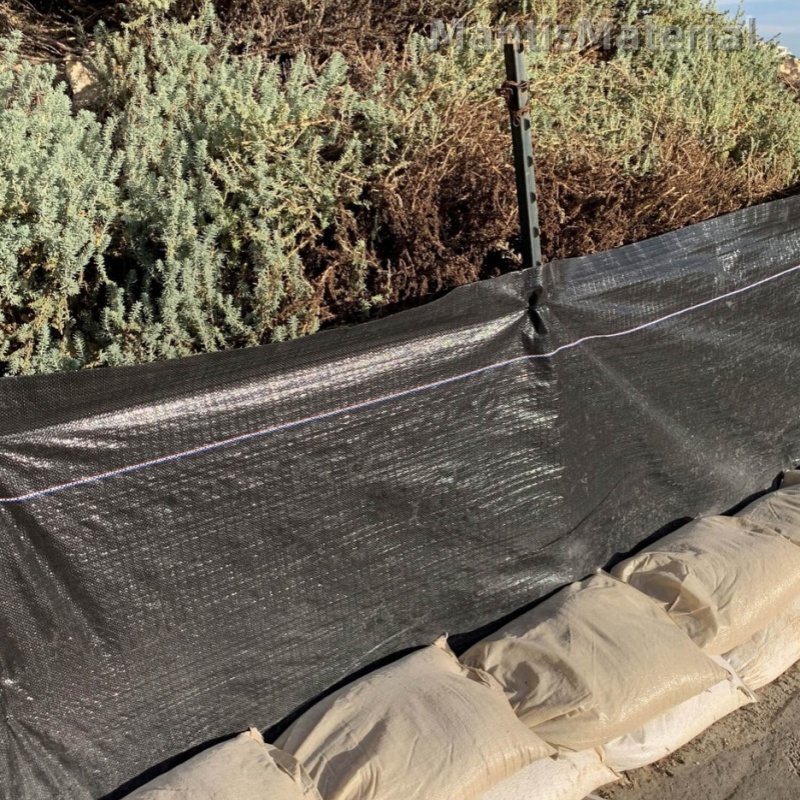
At Mantis Materials, the silt fence is more than just a roll of fabric. It's a carefully engineered solution to one of the oldest problems in land development: keeping soil where it belongs. The magic lies in the fabric itself. Made from permeable synthetic materials like polypropylene, the fence is studded with tiny pores that act as a filter. When rainwater runs across a bare construction site or a plowed field, it picks up loose sediment and carries it toward drainage ditches, streams, or storm drains. The silt fence intercepts that flow. The water passes through; the soil stays behind.
That simple principle—letting water through while holding sediment back—has enormous ripple effects. Without it, sediment from construction sites and agricultural land becomes one of the primary sources of water pollution. It clouds rivers, smothers aquatic habitats, and carries attached nutrients and chemicals downstream. Over time, that sediment builds up in waterways, causing siltation that narrows channels and increases flood risk. A silt fence, properly installed, breaks that chain.
But a fence is only as good as its installation. The Mantis silt fence relies on three components working together. The permeable fabric does the filtering. Support piles—typically wood or metal—hold the fabric upright so it can withstand the force of running water. And the buried portion at the bottom ensures that water doesn't simply sneak underneath and bypass the barrier entirely. It's a system that requires attention to detail, but when done right, it offers temporary protection that can last through an entire construction phase.
What makes the Mantis product stand out is its durability. The fabric is treated to resist UV rays, corrosion, and aging, which means it holds up under the sun and rain for months at a time. It's also flexible enough to conform to uneven ground, maintaining a tight seal with the soil even on slopes or rocky terrain. And when the job is done, it's easy to remove and dispose of—no permanent footprint, just temporary protection that leaves the land ready for its next phase.
The applications are surprisingly broad. On construction sites, silt fences keep projects in compliance with environmental regulations by preventing sediment loss and protecting downstream water bodies. In land development, they control surface runoff and provide a buffer during the most vulnerable stages of grading and clearing. On agricultural land, they protect topsoil from washing away, reduce water pollution, and prevent the formation of erosion gullies that can ruin productive fields. Even road and bridge projects rely on them for temporary drainage and slope protection during construction.
At its core, the silt fence is a reflection of a simple truth: development and environmental protection don't have to be at odds. With the right tools, we can build what we need without washing away what we already have. Mantis Materials understands that every site is different, and every project has its own set of challenges. Their silt fence isn't a one-size-fits-all product—it's a adaptable, reliable barrier that gives the land a chance to hold its ground, one rainstorm at a time.
 عربي
عربي Deutsch
 Français
 Italia
 Portugal
 España