Mantis Material: Elevate, Protect, Build.








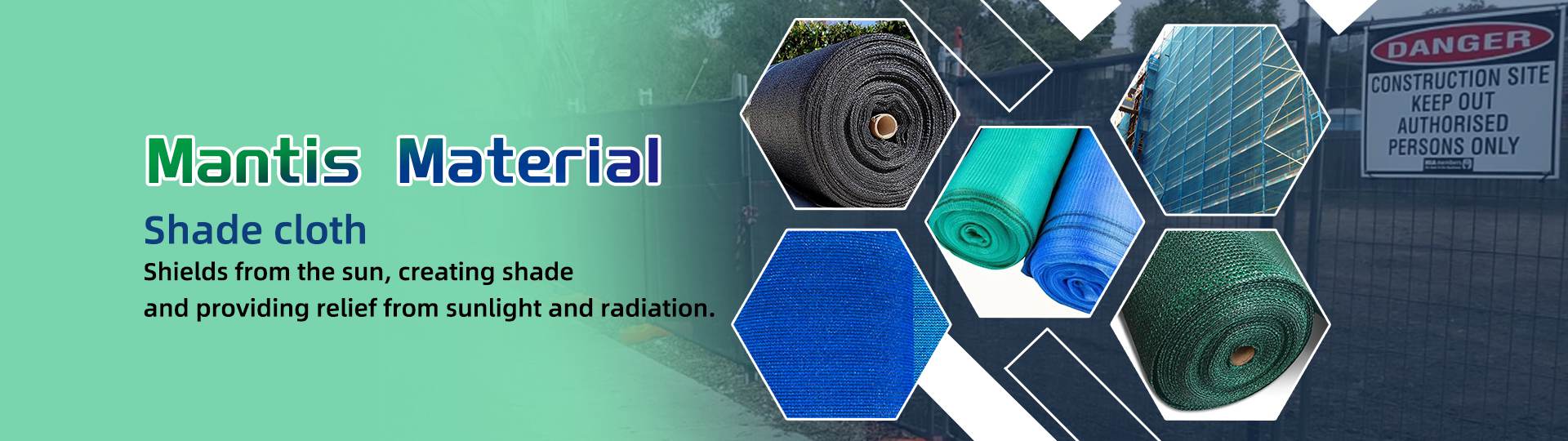
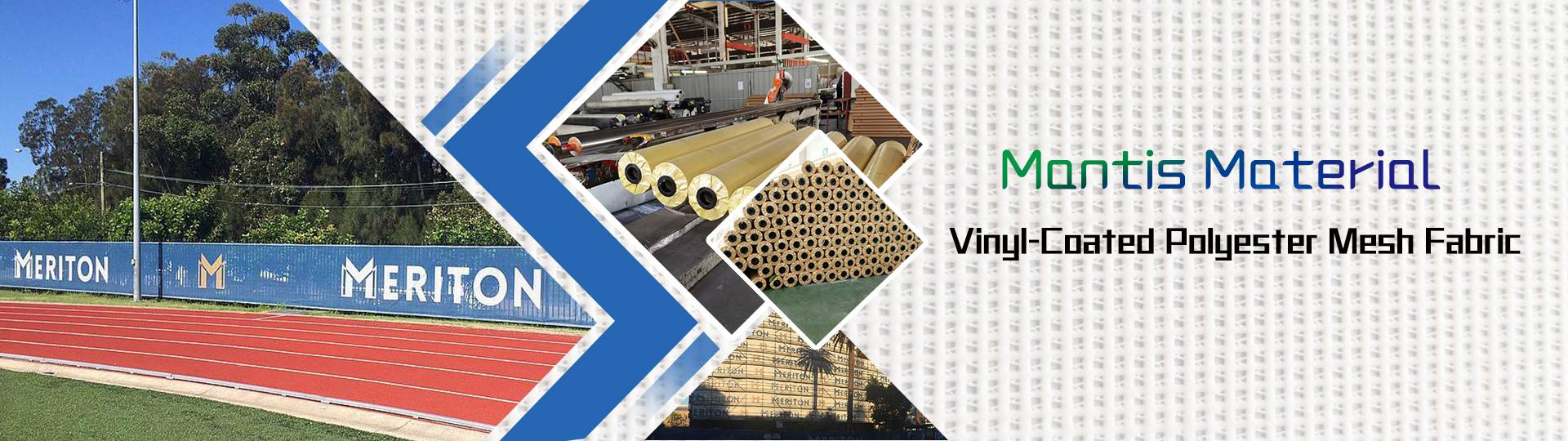
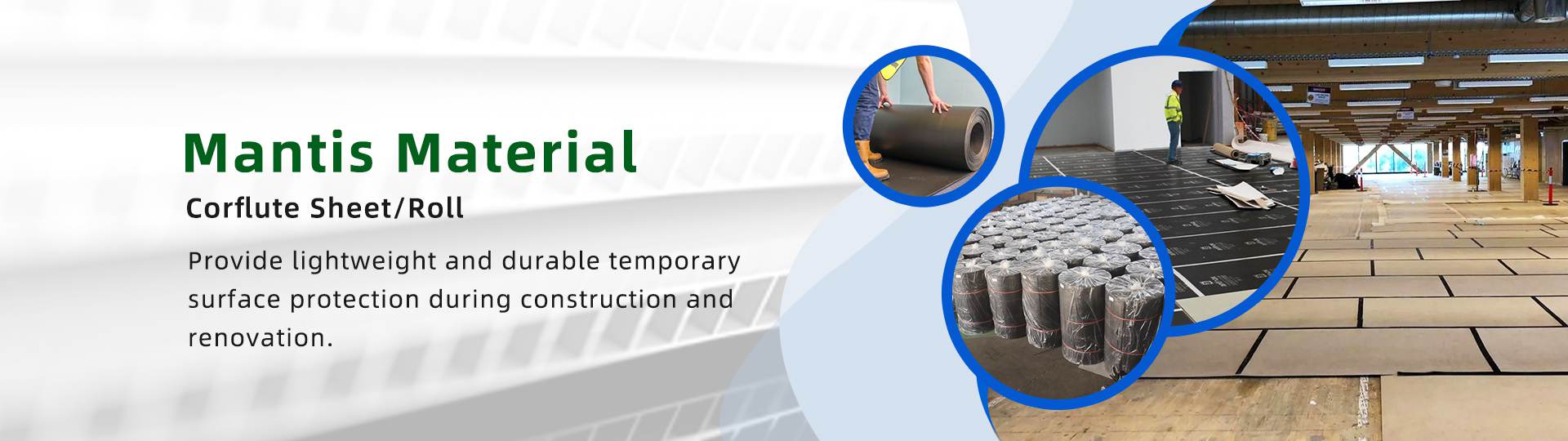
There's a certain kind of chaos that comes with any active site—whether it's a construction zone buzzing with machinery, a farm field stretching out under the sun, or an open-pit mine kicking up dust with every shift. In all that movement, the last thing anyone needs is something getting where it shouldn't. A tool slipping off a high scaffold. Pests finding their way into a crop. Dust drifting into a nearby town. Birds colliding with equipment at an airport. These aren't hypotheticals—they're everyday risks. And they're exactly the kind of problems that Mantis Barrier Mesh was designed to solve.
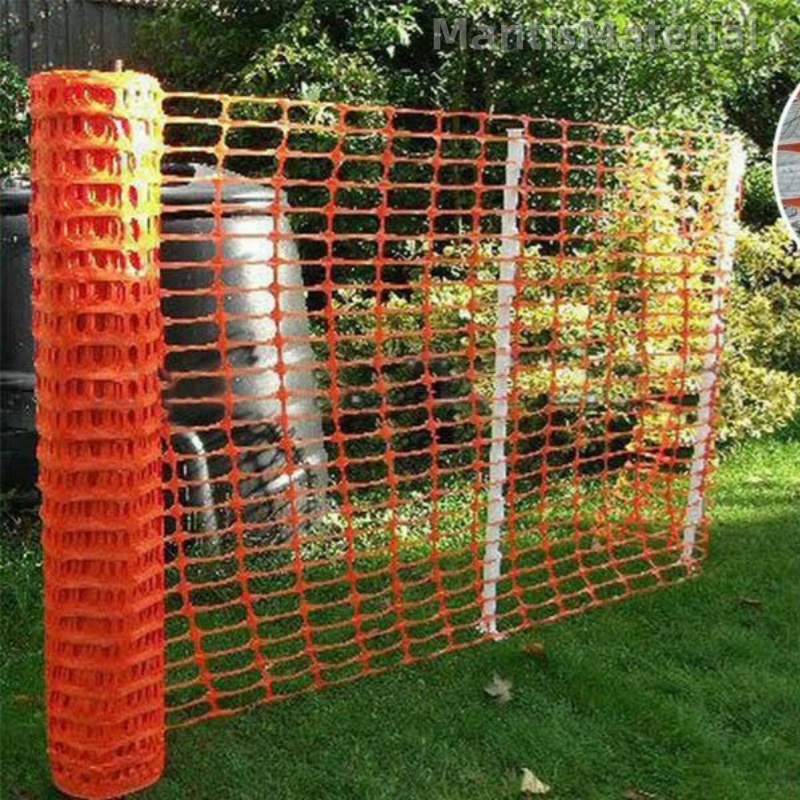
At first glance, it's just a net. But look closer, and you'll see something more deliberate. This is a multifunctional mesh material built for protection, isolation, and filtration—three jobs that sound simple but demand a lot from a single product. The material itself is made from high-strength fibers that resist corrosion, stand up to weather, and hold their own against UV radiation. That means it doesn't degrade after a few weeks in the sun or fall apart the first time a storm rolls through. It stays put, does its job, and keeps doing it long after cheaper alternatives have given up.
What makes the Barrier Mesh genuinely useful, though, is its versatility. On a construction site, it becomes a safety fence—keeping unauthorized people out of dangerous areas and ensuring that only the right people are where they need to be. Used as an anti-fall net during high-altitude work, it catches tools and materials that might otherwise drop onto workers below. That's not just a convenience; it's a lifesaver. In agriculture and horticulture, the mesh takes on a completely different personality. As an anti-insect net, it covers crops to keep pests out, reducing the need for chemical pesticides while improving both yield and quality. As a shade net, it softens harsh sunlight during hot seasons, protecting plants from damage while still letting through the light they need to grow. And as a support net, it gives climbing plants like grapes and cucumbers something to latch onto, guiding their growth in a way that makes harvesting easier.
The environmental applications are just as compelling. On construction sites and in open-pit mines, the mesh can be laid over exposed earth to keep dust from blowing into the air—a simple intervention that makes a real difference for air quality and surrounding communities. In orchards and around airports, it works as a bird-proof net, keeping wildlife away from both crops and sensitive equipment. It's the kind of product that adapts to whatever you throw at it, available in black, orange, and green to suit different settings and visibility needs.
Installation is straightforward, but it pays to be thoughtful about it. Choosing the right material—whether metal, plastic, or composite—depends on the specific application. Securing it firmly is critical, especially in windy or high-risk areas where a loose net is worse than no net at all. And laying it out with purpose ensures it actually covers what it's supposed to cover. Maintenance is equally simple: regular checks after bad weather, prompt repairs when something comes loose, and occasional cleaning to keep the mesh from getting clogged with dust and debris. None of it is complicated. It just requires paying attention.
What I appreciate about the Mantis Barrier Mesh is how unpretentious it is. It doesn't try to be flashy or over-engineered. It just shows up, does exactly what it's supposed to do, and makes a hundred small problems disappear. That's the kind of product you don't notice until it's missing—and once you've had it, you wonder how you ever managed without it.
 عربي
عربي Deutsch
 Français
 Italia
 Portugal
 España