Mantis Material: Elevate, Protect, Build.








You've probably stepped on one without giving it a second thought. That mat at the entrance of a hospital operating wing, the one just inside the doors of a computer server room, or the one lying flat at the entry to a pharmaceutical lab—it looks simple, almost boring. But peel back the layers, and there's more going on than meets the eye. That's the sticky mat, and it plays a surprisingly important role in keeping sensitive spaces clean, safe, and functional.
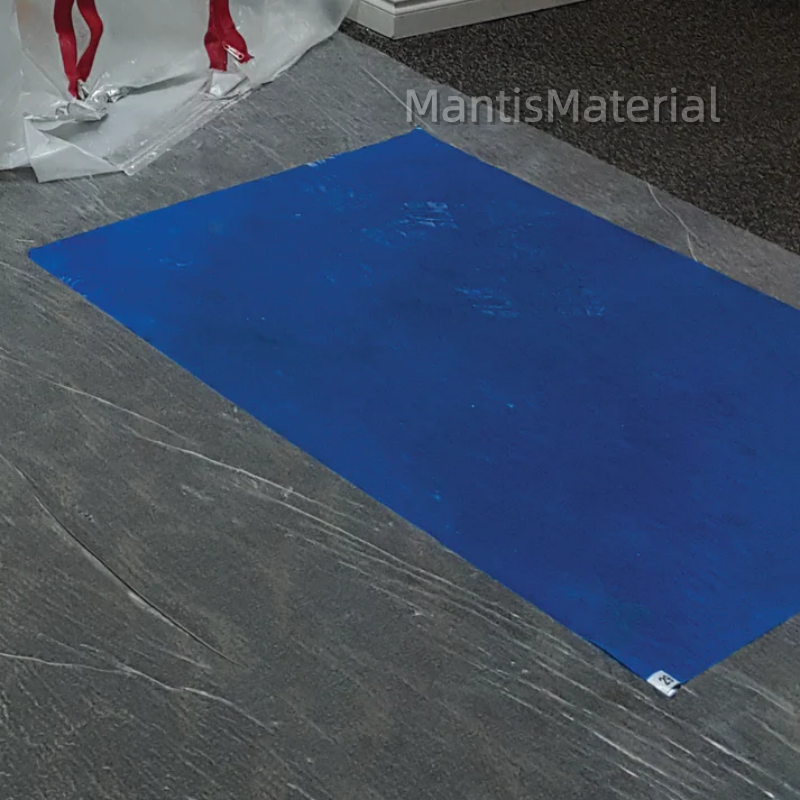
The concept couldn't be simpler. A sticky mat, sometimes called a cleanroom adhesive mat or tack mat, is exactly what it sounds like: a mat with a sticky surface that grabs dirt, dust, and debris from the soles of shoes and the wheels of carts before they can travel any further. Each layer is coated with a pressure-sensitive adhesive that's water-based and eco-friendly, which means it's tough on contaminants but gentle on the environment. The adhesive is non-toxic and odorless, and it leaves no residue behind when you peel a layer off. That last part matters more than you might think—nobody wants to spend time scraping sticky gunk off a cleanroom floor.
What makes these mats genuinely useful is the multi-layer design. Once the top layer gets loaded up with dust and footprints, you simply peel it off to reveal a fresh, clean layer underneath. Numbered labels on each layer make the process foolproof, so there's no guessing which layer to pull. In a high-traffic environment, that means you can go through several layers in a single day without missing a beat. The mats are engineered to resist tearing during peeling, even in busy settings where people are coming and going constantly. And they stay firmly in place on the floor without slipping, but they come up cleanly when it's time to replace them.
The applications are where this product really proves its worth. In cleanrooms—think semiconductor fabrication, pharmaceutical production, and biotech labs—these mats are the first line of defense against contaminants that could ruin sensitive processes. In electronics and precision manufacturing, they protect delicate components from fine dust that can cause defects. In hospitals and medical facilities, they're used at operating room entrances, laboratories, and sterilized areas to maintain hygiene standards. Pharmaceutical and food production facilities rely on them to support GMP compliance. Even in construction and renovation projects, they're popular as entry control products to reduce dust migration from work zones into clean areas. And for everyday use, they show up in workshops, offices, schools, gyms, and other high-traffic spaces where keeping dirt contained makes a real difference.
What I appreciate about the Mantis sticky mat is the range of options. They come in standard sizes like 0.913 meters by 1.13 meters, 0.9 meters by 0.9 meters, and 0.6 meters by 0.9 meters, with color choices including white, grey, and blue. If those don't fit your needs, custom sizes and colors are available too. The mats are individually wrapped for safe international shipping, which is a thoughtful touch for a product that travels across borders.
It's not the kind of product that gets anyone excited. But walk into a cleanroom where one of these mats has been doing its job all day, and you'll see the difference in the floor—and in the air quality. Sticky mats don't make headlines. They don't have to. They just sit there, quietly catching the dirt that would otherwise end up where it doesn't belong. And that's exactly the point.
 عربي
عربي Deutsch
 Français
 Italia
 Portugal
 España