Mantis Material: Elevate, Protect, Build.








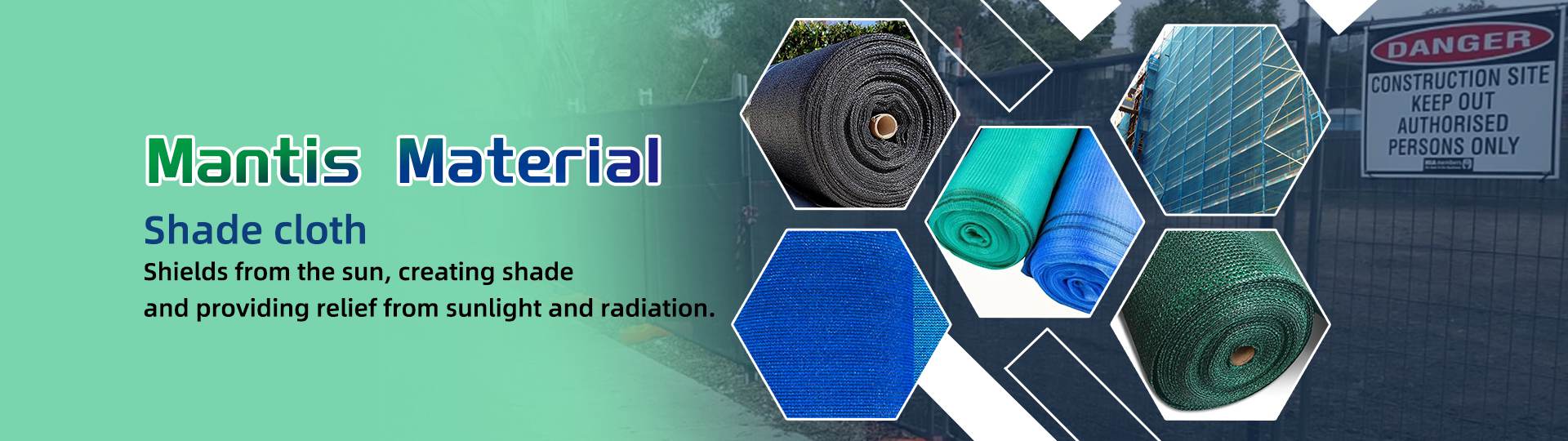

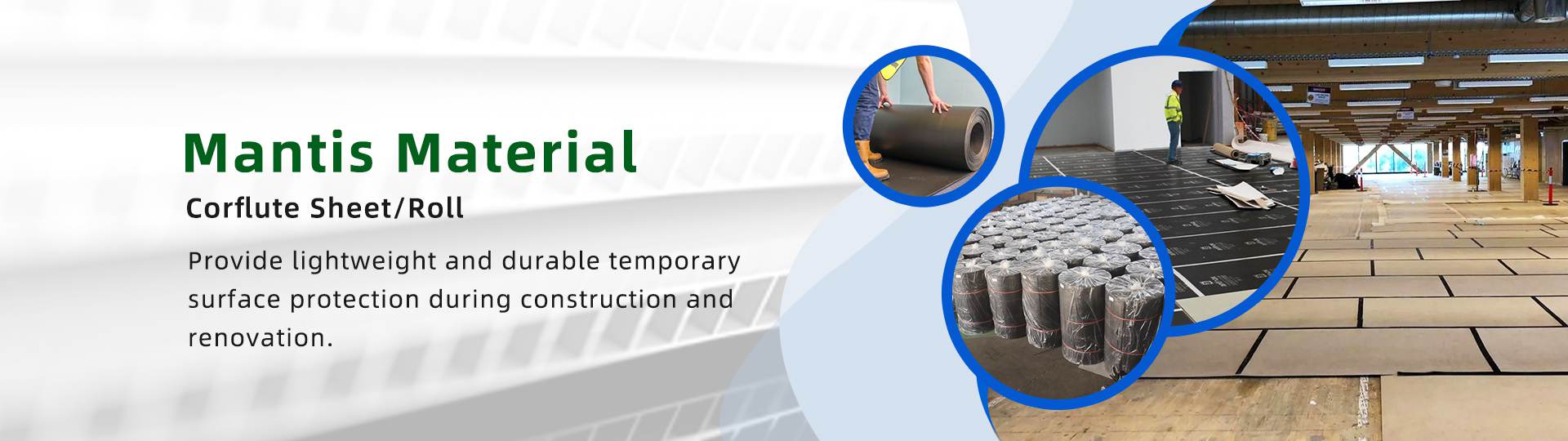
Sediment runoff is one of those problems that can sneak up on a project. Rain hits exposed soil, water starts moving, and before you know it, mud is heading straight for the nearest storm drain. Mantis Silt Fence is designed to stop that chain reaction. It is a simple barrier that catches soil particles while letting water pass through, and it plays a quiet but important role in keeping job sites compliant and waterways clean.
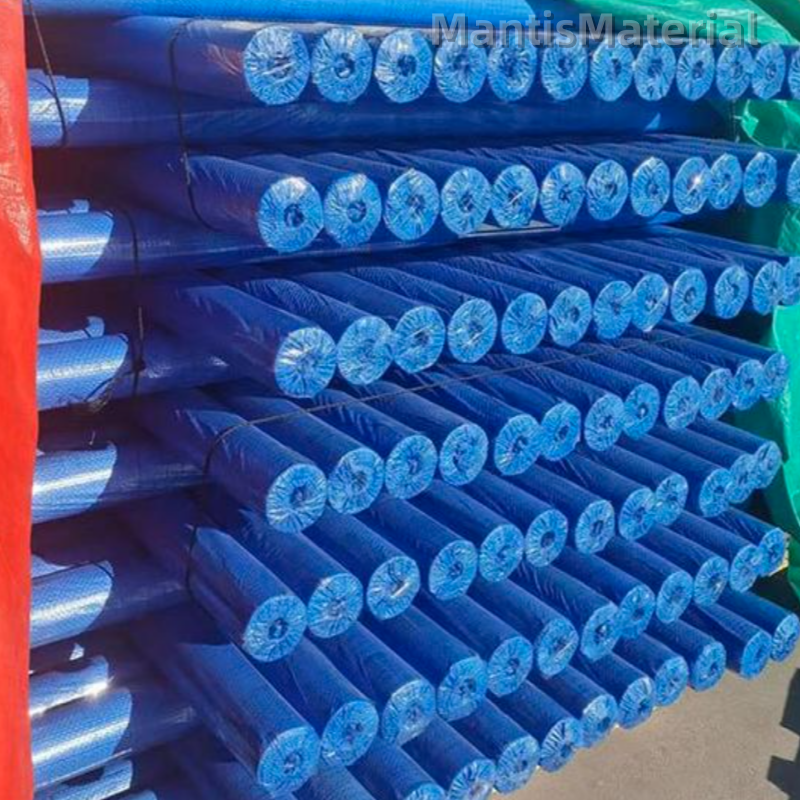
The core of the fence is a permeable fabric, usually made from polypropylene. This material has tiny pores that trap sediment but allow water to flow through at a steady rate. The fabric is UV resistant, corrosion resistant, and built to last through long outdoor exposure. It also has enough flexibility to follow uneven ground, so it stays in close contact with the soil instead of leaving gaps underneath.
Support is handled by wooden or metal piles that hold the fabric upright and help it stand up to flowing water. The bottom edge is buried a few inches into the ground to stop water from sneaking underneath. That combination is what makes the system work as intended.
You will find silt fence on construction sites, land development projects, farmland, and road or bridge construction. It controls surface runoff, prevents soil erosion, and reduces the amount of sediment reaching rivers and lakes. Less sediment means better water quality and fewer problems with siltation downstream.
The fence comes in green, black, and dark green, with a thickness of 0.25 to 0.4mm. Rolls are 2m wide and 100m long, and finished sizes range from 2x2m up to 4x10m. Custom lengths, colors, and logo printing are available, and fire retardance is optional.
 عربي
عربي Deutsch
 Français
 Italia
 Portugal
 España