Mantis Material: Elevate, Protect, Build.








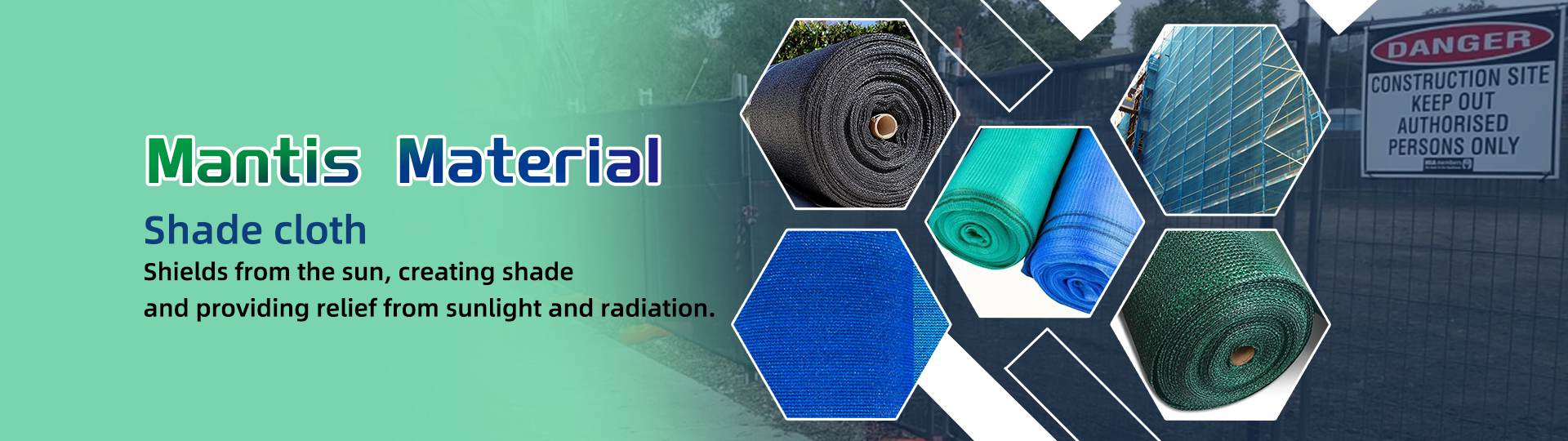
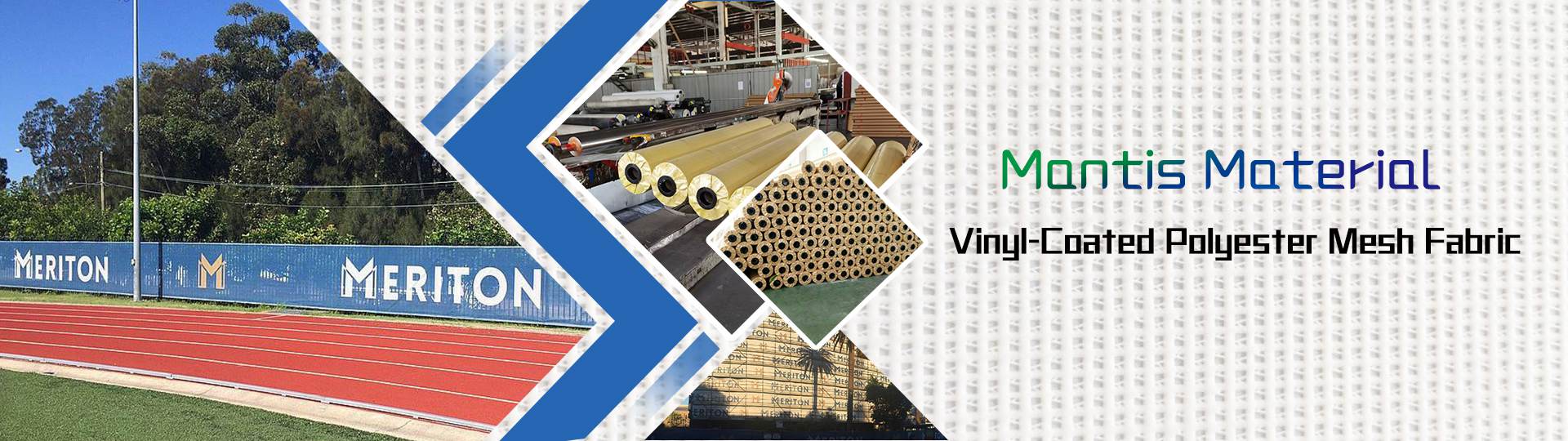
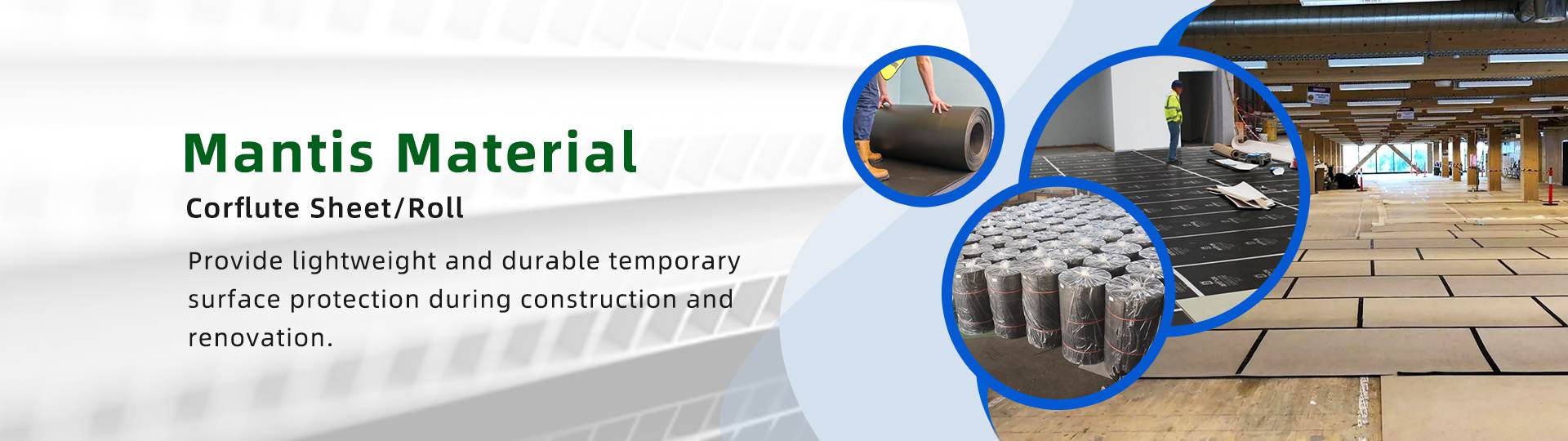
Polytarp does not pretend to be anything more than what it is. A sheet of polyethylene, woven and laminated on both sides, it is the kind of material that gets pulled out when the sky looks uncertain or a pile of timber needs to survive a week of rain. The double laminated reinforced polywoven construction gives it a balance that few temporary covers manage. It stays light enough for one person to drag across a roof, yet holds together when the wind tries to take it.
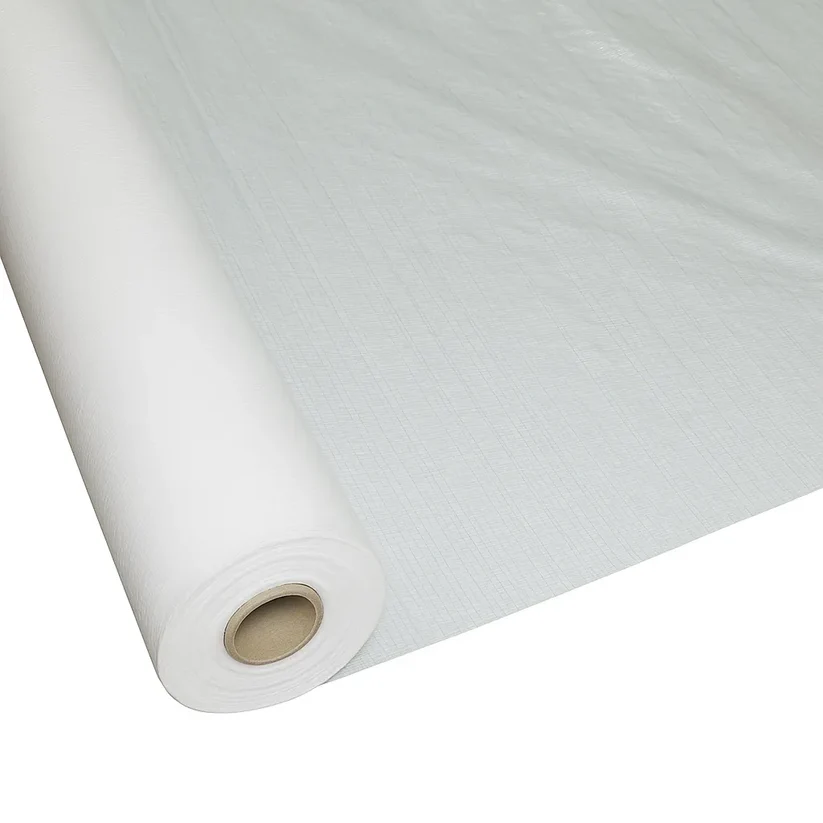
The list of things it shrugs off is quietly impressive. Water and snow do not soak through. Sunlight does not turn it brittle. A tear at the edge does not become a tear across the middle. And because it resists mildew, it can be folded away damp and pulled out again months later without smelling like a cellar. There is even an anti slip surface, which matters more than people expect when the tarp is laid over a floor or a walkway.
Where it turns up is almost anywhere. On a building site it covers materials, protects floors and stairways during a fit out, and stands in for a missing roof panel overnight. Campers use it for ground sheets and quick shelters. Farmers stretch it over crops or equipment. Boats and cars sit under it through the off season, and during a renovation the furniture gets pushed into a corner and covered. The gram weights run from 80 to 300, with roll widths from 0.9 metres up to 4 metres, and custom sizes are available for jobs that do not fit the standard sheet.
None of this is complicated engineering. A polytarp is a temporary thing, and it knows it. But when the rain starts and the wind picks up, the sheet that stays put and peels off dry is the one that earns its keep.
 عربي
 Deutsch
 Français
 Italia
 Portugal
 España