Mantis Material: Elevate, Protect, Build.








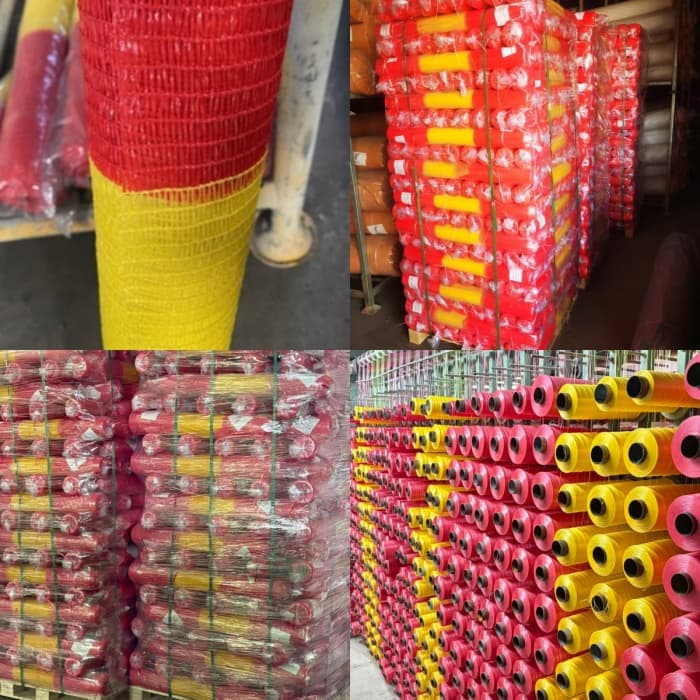
Onion mesh is not a product most people think about, but anyone who has moved a harvest from field to market knows exactly what it does. It is a knitted or woven netting, usually made from polyethylene or polypropylene, and it comes in rolls that feed straight into packing lines. The material is light, strong, and full of small openings that let the air move.
That airflow is the whole point. Onions need to breathe after harvest. A sealed bag traps moisture against the skin, and moisture leads to rot. The open structure of onion mesh lets condensation escape and keeps the crop dry, which means the onions stay firm and saleable for longer. It is a simple idea, but it makes a real difference when a grower is holding stock for weeks or shipping it across a country.
The mesh rolls are built for speed. They run through filling machines that drop a set weight of onions into a tube, seal the end, and move on. Typical roll widths and mesh counts are chosen to suit different pack sizes, from small consumer nets to large sacks for wholesale. The netting holds its shape under load without splitting, and it resists UV light well enough to sit in a field or on a truck without falling apart.
Beyond onions, the same material packs potatoes, garlic, carrots, and citrus. It is cheap, reusable in some settings, and recyclable. It does not look like much, but it keeps a harvest moving and a crop fresh, and that is exactly what it was made to do.
 عربي
 Deutsch
 Français
 Italia
 Portugal
 España