Mantis Material: Elevate, Protect, Build.








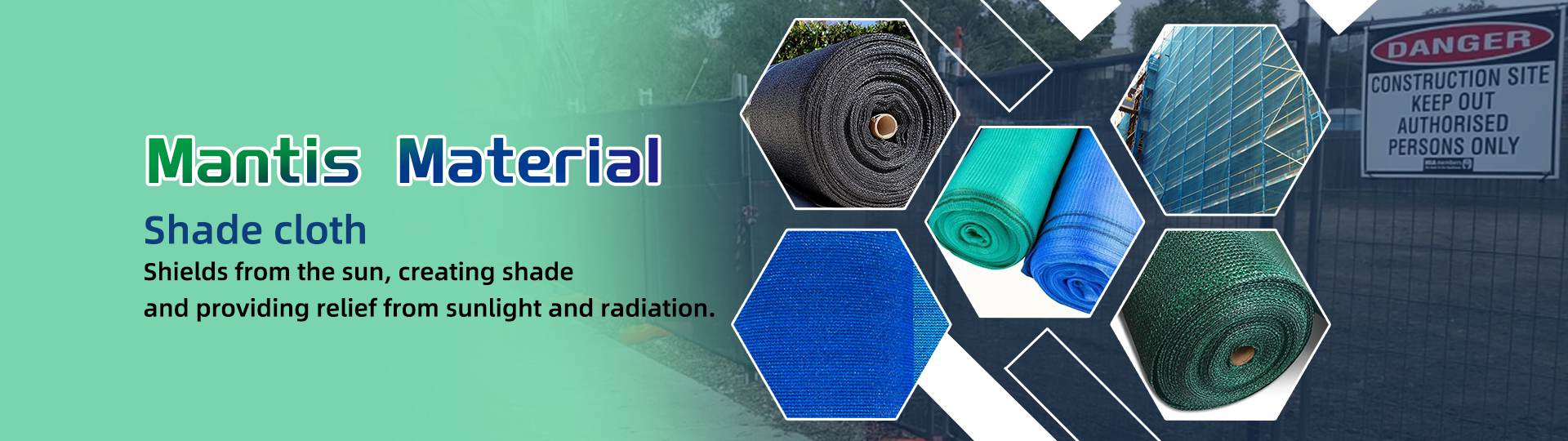
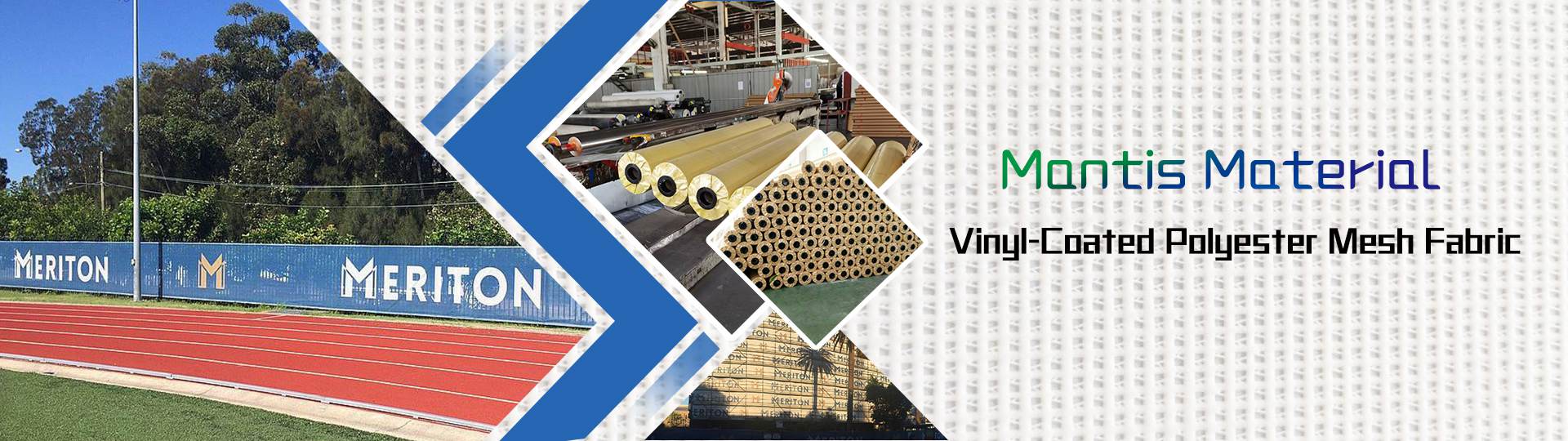
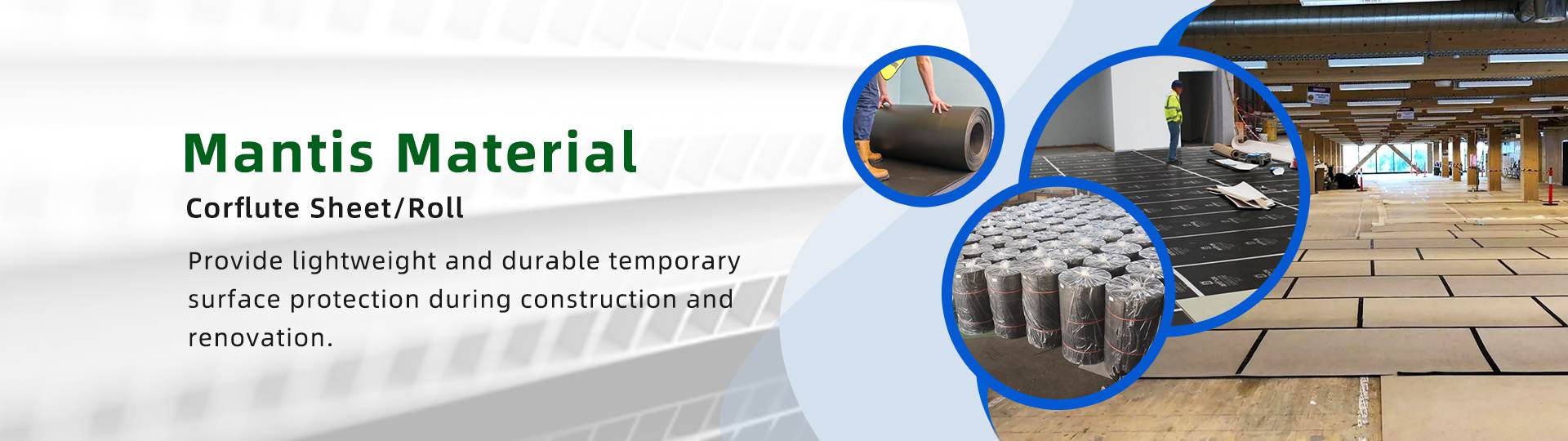
A good barrier does not have to be solid. Barrier mesh works on a principle that feels almost counterintuitive at first. The fabric is full of small openings, yet it still does the job of keeping things apart, blocking what should not pass, and holding up under weather that would ruin less forgiving materials.
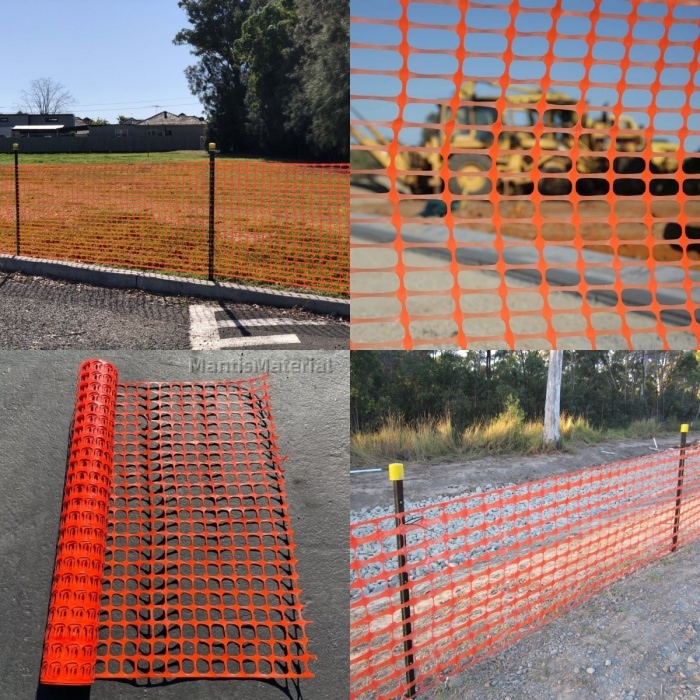
The construction is straightforward but effective. A polyester weave carries a PVC coating on both sides, giving the fabric a thickness that ranges from 0.3mm to 1.5mm depending on the job. It comes in white, black, blue, green, yellow, red, or custom colours, and in roll sizes suited to fencing runs and site perimeters. The open weave is the point. Air moves through it, light passes through it, and the mesh stays light enough to handle without heavy equipment.
On construction sites, that breathability matters more than it might seem. A solid screen traps wind and turns a fence into a sail. Barrier mesh lets the pressure escape, so the fence stays upright and the mesh stays intact through gusty weather. It serves as a safety fence around hazardous zones, an anti-fall net during high-altitude work, and a dust screen over exposed ground. The same logic applies on farms and in gardens. The mesh covers crops against insects, shades plants from harsh sun without cutting off airflow, and gives climbing plants something to grip as they grow. Around orchards and airports, it keeps birds out without creating a solid wall that would trap heat or block light.
What ties these uses together is a simple design choice. The mesh is permeable by default. It protects without sealing off. That makes it easy to install, easy to reposition, and easy to live with in places where a rigid barrier would create more problems than it solves.
 عربي
 Deutsch
 Français
 Italia
 Portugal
 España