Mantis Material: Elevate, Protect, Build.







Polyweave does not announce itself. It arrives on a roll, often blue or silver, looking like a heavier cousin of the tarpaulin you keep in the shed. But the material underneath is a woven polyethylene fabric, laminated on both sides, and that construction is what makes it useful across a startling range of jobs.
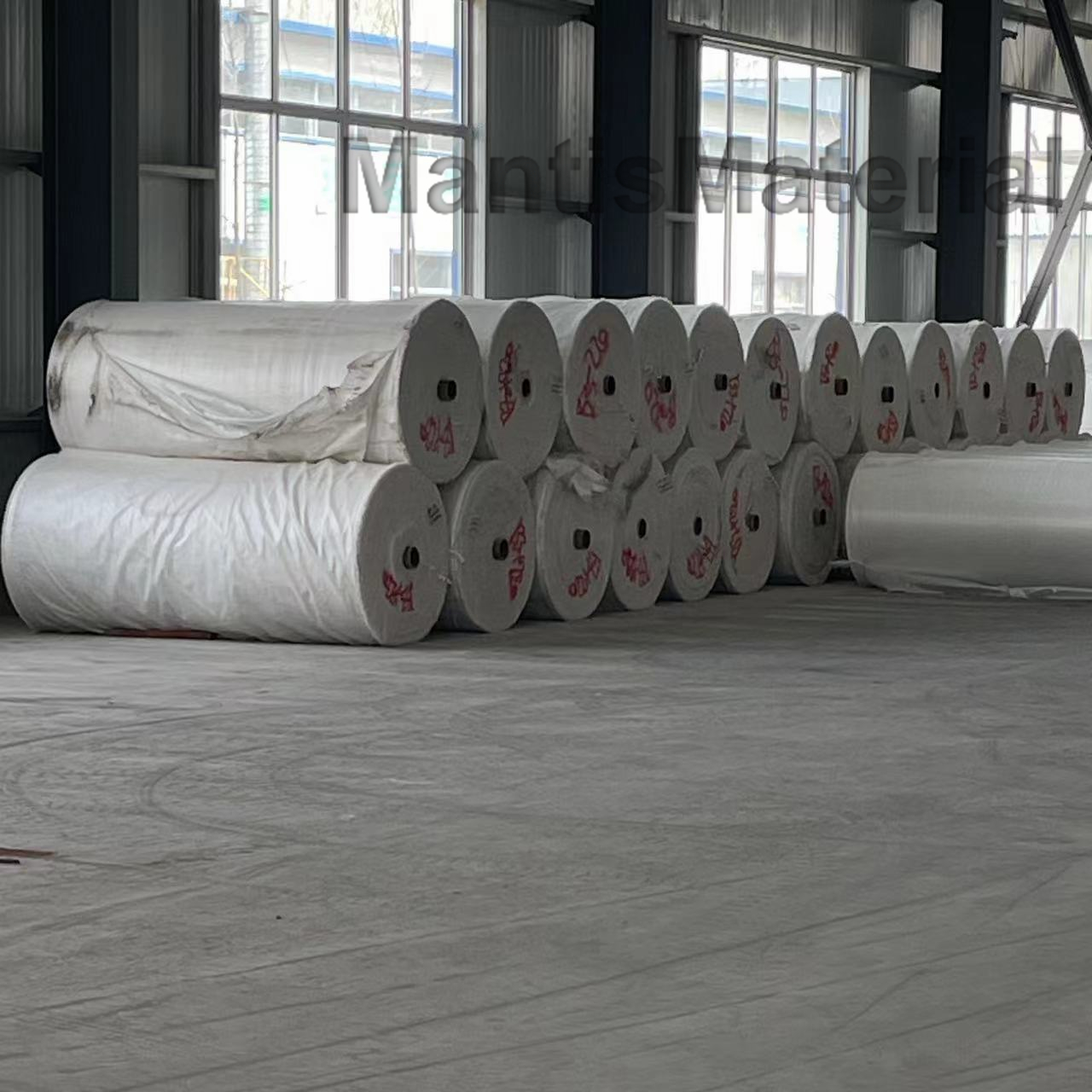
The weave provides tensile strength and tear resistance. The lamination adds water resistance and keeps the fabric from fraying at the edges. A UV inhibitor is typically built into the polymer, so a sheet left out in the sun does not go brittle after a few weeks. Weights vary widely, from around 60 GSM for light wrapping up to 180 GSM and beyond for heavy floor protection and containment work. A common roll runs two metres wide and fifty metres long, which tells you something about the scale of the jobs it is meant for.
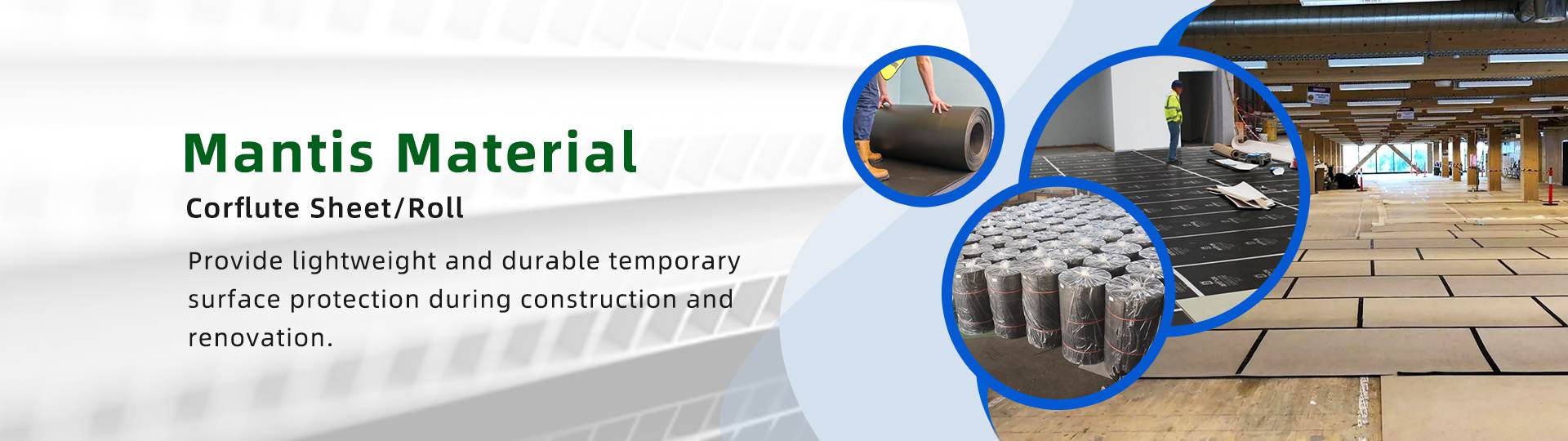
On a construction site, polyweave goes down before the mess starts. It covers finished flooring during renovation, hangs as a drop sheet behind plastering, and lines the tray of a ute carrying rubble. Outdoors, it becomes a temporary groundsheet, a cover for firewood or machinery, a windbreak around a work area, or a roof patch when the weather turns. In agriculture, it shields crops, covers hay, and wraps equipment between seasons.
What holds these uses together is a simple set of virtues. Polyweave is light enough for one person to drag into place, tough enough to survive being dragged, and cheap enough to be treated as a consumable when a job is particularly filthy. It is not a permanent material and does not pretend to be. It is a working surface, a temporary skin, a sheet that takes the abuse so the thing underneath does not have to.
 عربي
 Deutsch
 Français
 Italia
 Portugal
 España