Mantis Material: Elevate, Protect, Build.








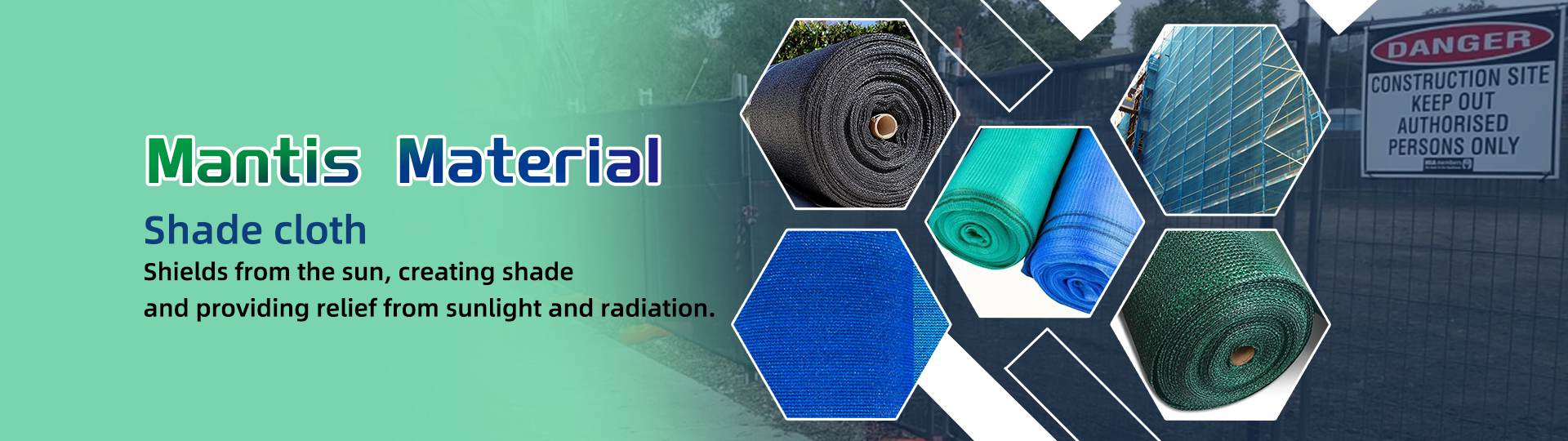
A barrier mesh is not a wall. It is a woven fabric full of small openings, and that seems like a strange place to start if the job is keeping things apart. But in practice, the holes are exactly why it works.
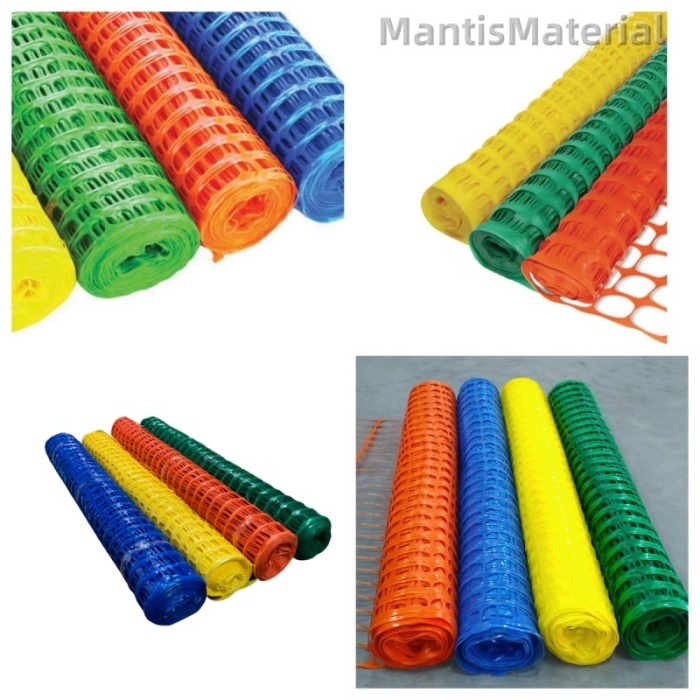
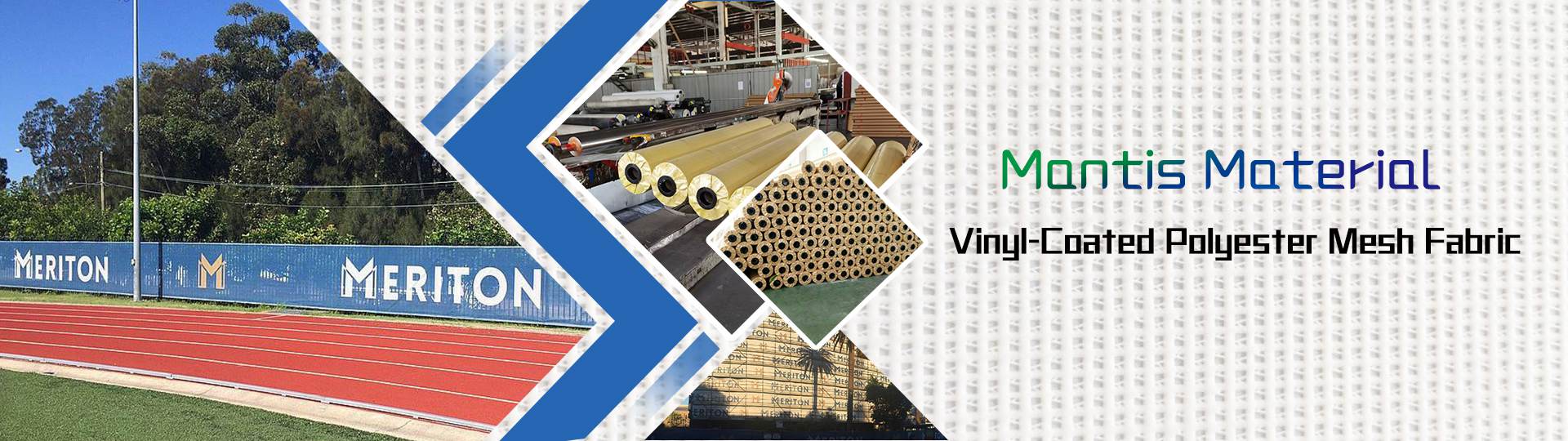
The material is a polyester weave with a PVC coating on both sides, usually somewhere between 0.3mm and 1.5mm thick. It comes in white, black, blue, green, yellow, red, or a custom shade, on rolls sized for fencing runs and site perimeters. The open structure is the point. Air passes through instead of loading up against a solid surface, so the mesh does not behave like a sail when the wind picks up.
That single property opens up a lot of uses. On a construction site, it works as a safety fence around hazardous zones and as a dust screen over exposed ground without trapping heat or blocking light. On a scaffold, it gives workers a visual barrier without turning the structure into a wind trap. Around orchards and airports, it keeps birds out without creating a solid wall. In a garden, it shades plants and gives climbing crops something to grip, all while letting the breeze move through.
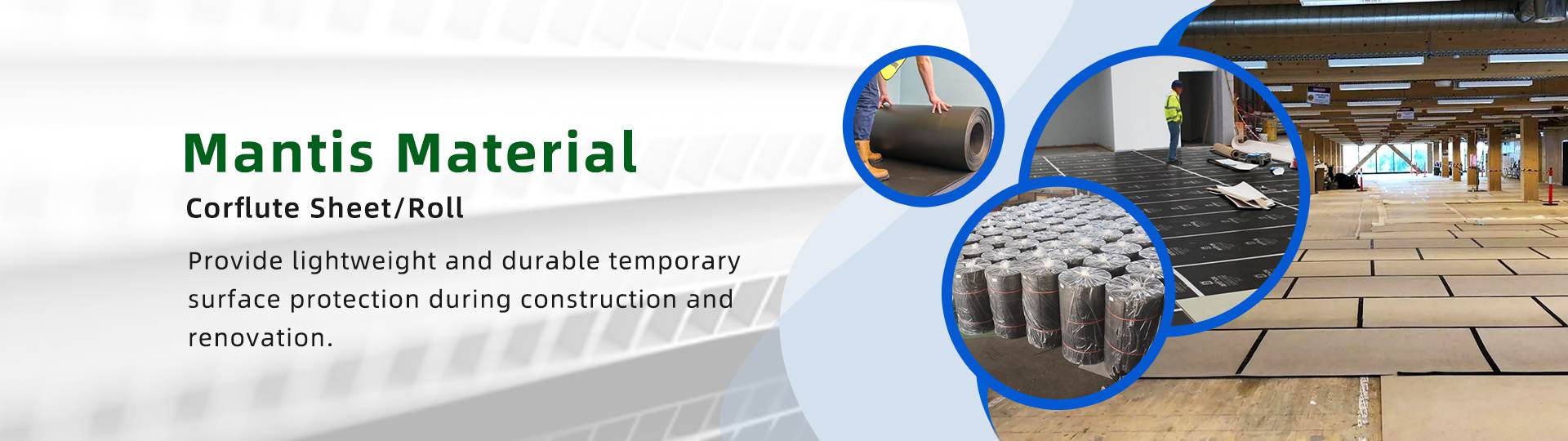
Installation is about as simple as it gets. The mesh is light enough to handle without heavy equipment, and it ties off to star pickets or existing posts with rope or eyelets. When the job moves on, it rolls back up and goes wherever it is needed next.
What makes barrier mesh worth choosing is that it protects without sealing off. A solid panel would do one job and create three new problems in the process. The mesh just does the one job and stays out of the way.
 عربي
 Deutsch
 Français
 Italia
 Portugal
 España