Mantis Material: Elevate, Protect, Build.







In the world of industrial materials and protective solutions, few products offer the remarkable combination of versatility, durability, and cost-effectiveness as the humble yet mighty Polytarp. Also known as a poly tarpaulin, this woven polyethylene sheet has become an indispensable asset on construction sites, agricultural fields, in warehouses, and even for personal use in backyards and during moving. Its widespread adoption is a testament to its ability to solve a fundamental need: providing reliable, temporary, and resilient protection against the elements, dirt, and damage. From shielding valuable equipment under the open sky to creating a makeshift shelter in an emergency, Polytarp serves as a first line of defense, proving that simplicity in design can yield extraordinary utility in practice.
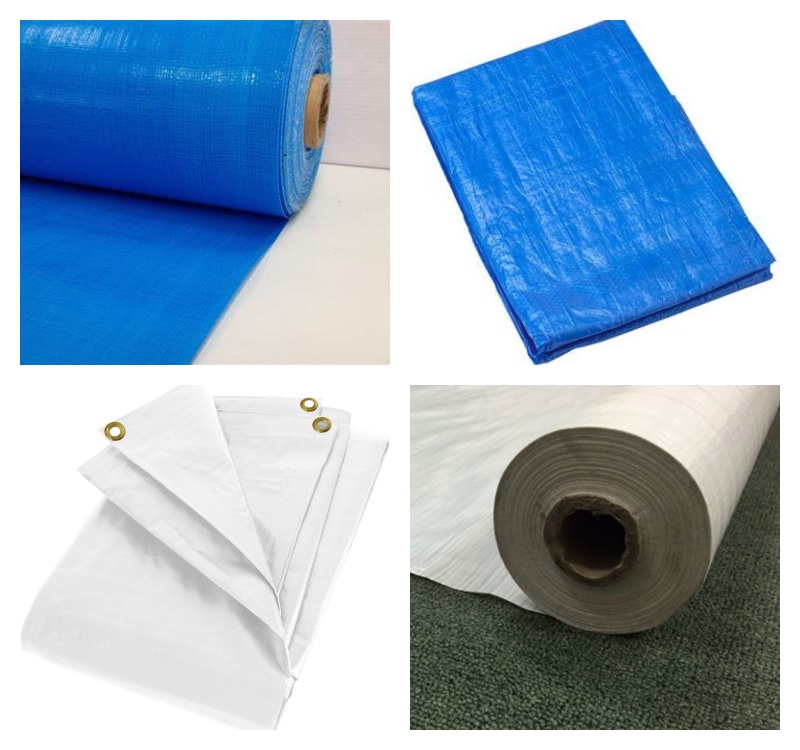
The exceptional functionality of Polytarp stems from its carefully engineered composition. Typically crafted from high-density polyethylene (HDPE) or low-density polyethylene (LDPE), the material is woven into a strong fabric and then coated or laminated to create a waterproof and tear-resistant barrier. This process results in a sheet that is remarkably lightweight for easy handling and deployment, yet incredibly tough against punctures, UV rays from prolonged sun exposure, and mildew from moisture. Available in a range of thicknesses, weights, and colors—each serving a specific purpose, such as blue for general use, silver for superior UV reflection, or camouflage for discreet applications—Polytarp can be tailored to meet the precise demands of any project, ensuring optimal performance whether the threat is a sudden downpour or scorching summer heat.
The practical applications for Polytarp are virtually limitless, spanning across countless industries and personal projects. In construction and landscaping, it is the go-to material for covering piles of sand, lumber, and machinery, for sealing off work areas as a dust barrier, and for protecting unfinished roofs. Farmers rely on it to create silage covers, line irrigation ponds, and shield hay bales. Truckers use it to secure and protect cargo on flatbeds during transport. For homeowners, it becomes an essential tool for winterizing pools, covering firewood, creating a temporary garage or carport, or serving as a ground cloth for camping. Its role is defined by need, and its value is proven in its ability to prevent costly damage and loss time and time again with minimal investment.
Selecting the right Polytarp is crucial for ensuring its effectiveness and longevity. Key factors to consider include the material weight, measured in grams per square meter or ounces per square yard, which directly correlates with strength; the thickness, or mil count; the type of reinforcement at the grommets or hems; and the specific additives for UV resistance or flame retardancy. A high-quality Polytarp from a trusted manufacturer will feature evenly spaced, rust-resistant metal grommets, reinforced corner patches, and tightly sealed hems to prevent unraveling. By matching the product's specifications to the environmental challenges it will face, you invest not just in a piece of fabric but in a reliable, long-term protective solution. In a world where unpredictability is the only constant, having the dependable, multifaceted protection of Polytarp at your disposal is not just convenient—it is a strategic necessity for safeguarding your assets and endeavors.
 عربي
عربي Deutsch
 Français
 Italia
 Portugal
 España