Mantis Material: Elevate, Protect, Build.







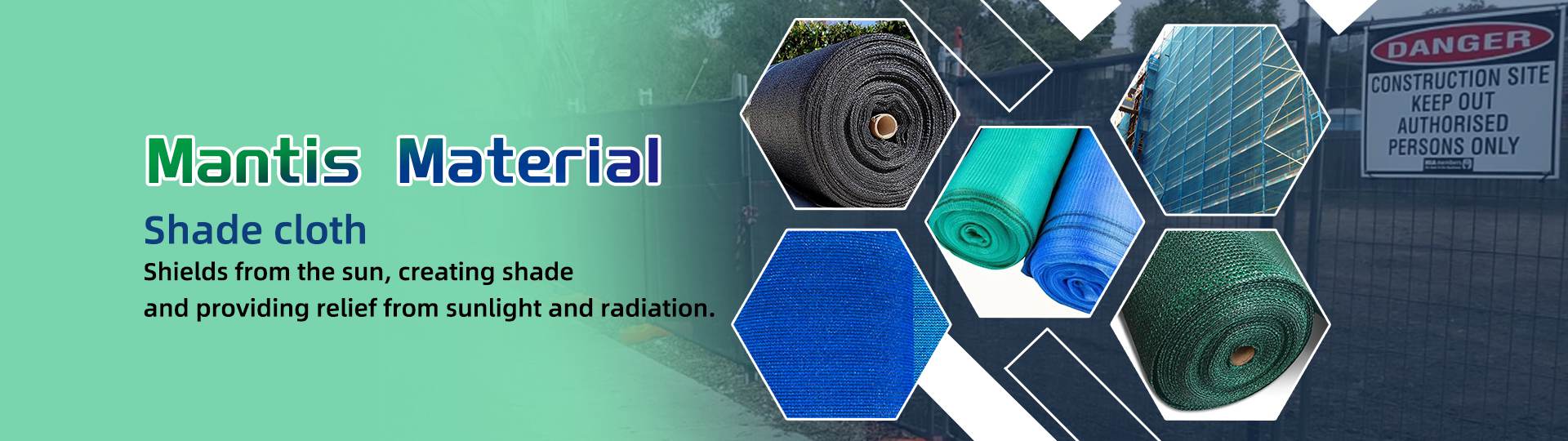
In today's world, where the effects of the sun and the need for controlled environments are constant considerations for homeowners, gardeners, and business operators alike, finding an effective and versatile protection solution is paramount. Shade cloth, a specially engineered fabric, has emerged as an indispensable tool for managing sunlight, reducing heat, and creating more comfortable and productive spaces. This innovative material goes beyond simple coverage; it is a strategic asset for agriculture, landscaping, recreation, and construction. By intelligently filtering sunlight and facilitating air circulation, shade cloth offers a scientifically-backed method to protect plants, people, and property from the harsh impacts of excessive solar exposure, transforming challenging areas into usable, optimized zones.
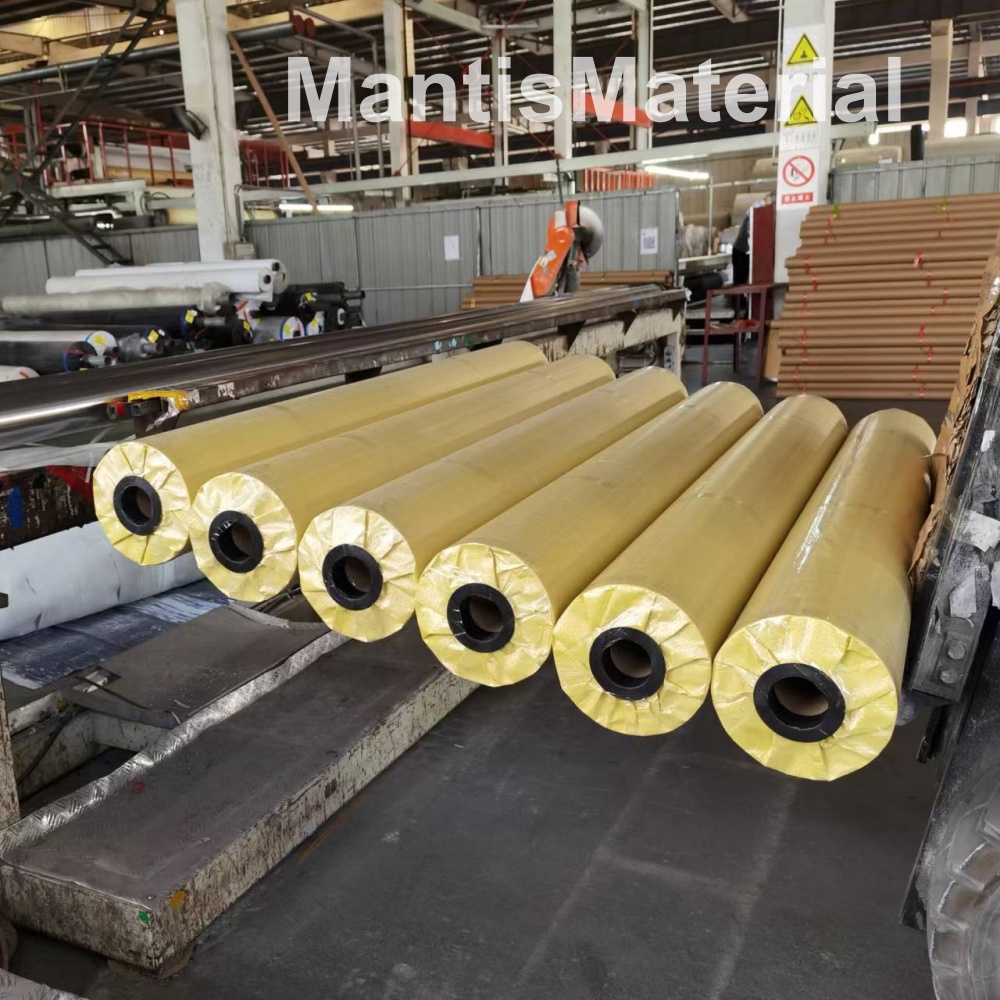
The functionality of shade cloth is rooted in its unique design and material composition. Typically made from high-density polyethylene (HDPE) or similar durable, UV-stabilized polymers, it is woven or knitted into a robust, lightweight mesh. Its core performance metric is the shade density or percentage, which ranges from light 30% coverage to heavy 90% or more, determining exactly how much sunlight is blocked. A higher percentage creates more shade and cooler temperatures beneath it. This permeable structure is its genius—while it diffuses and reflects a significant portion of solar radiation, it still allows for ample airflow and water penetration. This prevents the stagnant, humid conditions that solid covers create, making it ideal for plant health and outdoor comfort. Furthermore, high-quality shade cloths are treated to resist degradation from the sun's ultraviolet rays, ensuring they remain strong, colorfast, and effective for many seasons without becoming brittle or tearing.
The practical applications for shade cloth are impressively wide-ranging, demonstrating its role as a multi-industry solution. In agriculture and horticulture, it is a cornerstone for nursery cultivation, protecting delicate seedlings from scorching, and is used in greenhouse covers to prevent overheating. It creates perfect microclimates for shade-loving plants and is used to cover fruit crops to prevent sunburn. Beyond the garden, it is the material of choice for constructing patio covers, carports, and playground canopies, offering people relief from the sun while enjoying the outdoors. In commercial settings, shade cloth is used for parking lot screens, privacy fences for construction sites, and even for protecting livestock. Its utility also extends to creating windbreaks, safeguarding ponds from excessive algae growth by limiting sunlight, and serving as a protective barrier around tennis courts or pool areas.
Selecting the right shade cloth is essential to achieve the desired outcome for any specific project. The decision hinges primarily on the required shade density, which should align with the needs of the plants or the intended human use. The material's durability, including its weight (grams per square meter) and UV stabilization rating, dictates its lifespan and suitability for permanent or semi-permanent installation. Other considerations include the color; for instance, black and green offer great UV protection and blend into natural settings, while aluminized or white cloths are excellent for reflecting heat. Choosing a product from a reputable supplier ensures you receive a fabric with consistent weave, reinforced edges, and reliable grommets for secure installation. Investing in a high-grade shade cloth means investing in long-term protection, energy savings from reduced cooling needs, and the enhanced health and vitality of everything—and everyone—under its cover. It is a simple, smart, and highly effective way to take control of your environment.
 عربي
عربي Deutsch
 Français
 Italia
 Portugal
 España