Mantis Material: Elevate, Protect, Build.







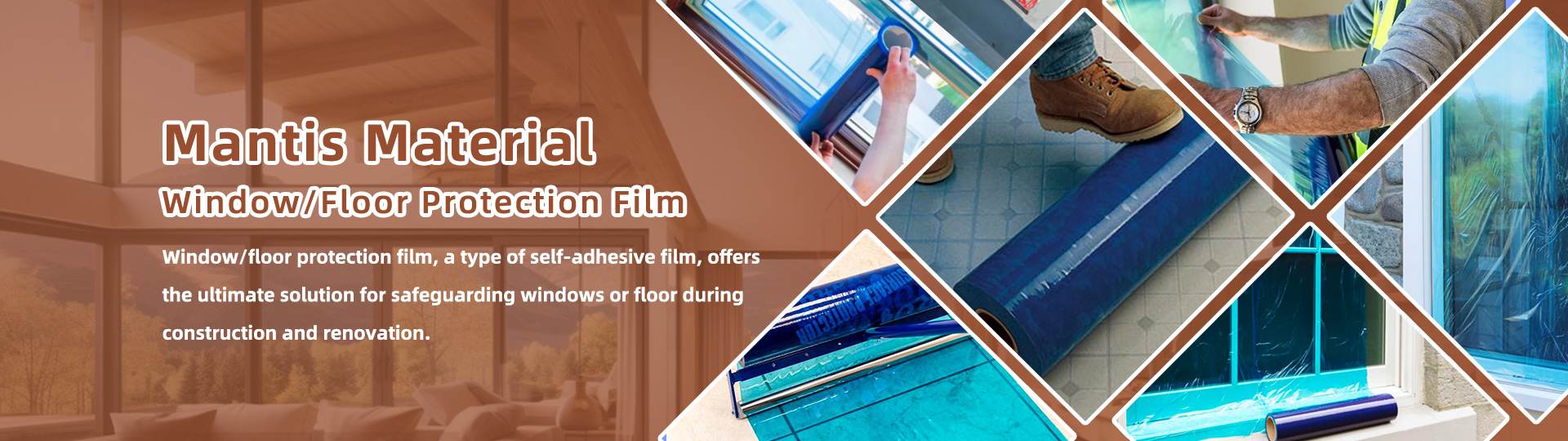
In environments where the integrity and appearance of floors must be preserved against constant heavy traffic, spills, and debris, finding an effective yet non-intrusive solution is critical. Hard floor film, a clear and durable protective sheeting, provides the ultimate shield for a wide variety of floor surfaces including hardwood, tile, laminate, and concrete. This product is engineered to endure the demands of high-traffic areas during construction, renovation, large events, or daily operations, ensuring that expensive flooring remains unscathed and maintenance costs are significantly reduced. Unlike traditional methods that may leave residues or fail under pressure, hard floor film offers a clean, reliable, and easily removable barrier that maintains the aesthetic and functional value of floors without compromising on safety or appearance.
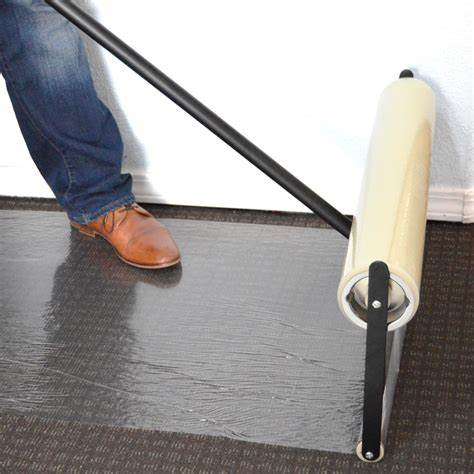
Hard floor film stands out due to its unique combination of material strength and user-friendly application. Made from high-quality, low-density polyethylene (LDPE) or similar polymers, it features a balanced thickness that provides exceptional tear and puncture resistance while remaining flexible enough to conform to floor contours. The film is typically treated with an adhesive that is strong enough to stay securely in place, even under rolling carts or heavy foot traffic, yet designed to remove cleanly without leaving sticky residues or damaging the floor finish. This easy-release adhesive technology is a key advantage, simplifying both installation and cleanup. Additionally, the crystal-clear transparency of the film ensures that the beauty of the underlying floor remains visible, making it suitable for showrooms, retail spaces, and residential areas where appearance matters as much as protection.
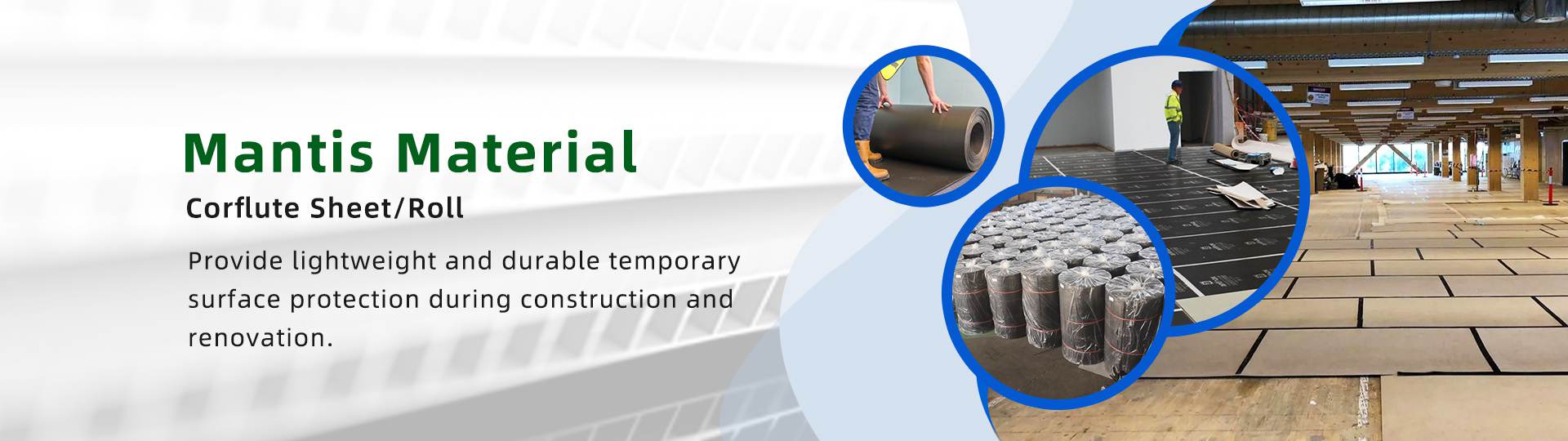
The versatility of hard floor film makes it invaluable across a broad spectrum of applications. In construction and remodeling projects, it safeguards new or existing floors from paint splatters, dust, scratches, and heavy equipment marks. For event planners and facility managers, it protects floors during concerts, trade shows, weddings, or sports events where spills, foot traffic, and equipment movement are inevitable. Moving companies rely on it to create pathways that prevent damage when transporting furniture. In commercial settings like hospitals, schools, and office buildings, it offers temporary protection during deep cleaning, maintenance, or seasonal decorations. It can even be used in industrial or warehouse environments to shield floors from chemical spills or machinery abrasion. Its utility lies in its ability to provide immediate, robust, and temporary protection wherever and whenever it is needed.
Choosing the right hard floor film from a trusted supplier ensures optimal performance and value. Key factors to consider include the film's thickness (often measured in mils or microns), which determines its durability, and the quality of the adhesive, which should hold firmly yet release cleanly. The width and length of the rolls should match the scale of the project to minimize seams and waste. A high-quality product will also feature UV stability if used near sunlight and anti-slip properties if safety is a concern. By selecting a film tailored to specific environmental conditions—such as humidity, temperature, or surface type—you invest in a solution that not only protects your floors but also streamlines operations and reduces long-term costs. In essence, hard floor film is more than just a protective layer; it is a proactive investment in preserving assets, enhancing safety, and maintaining seamless workflows in any space where floors are a valuable and vulnerable asset.
 عربي
عربي Deutsch
 Français
 Italia
 Portugal
 España