Mantis Material: Elevate, Protect, Build.








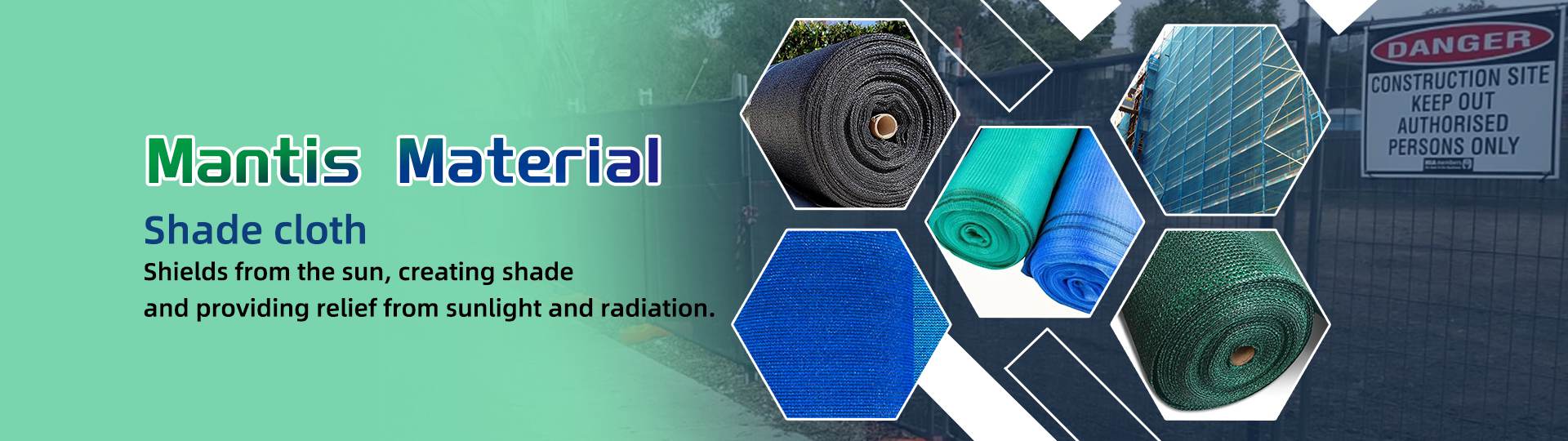

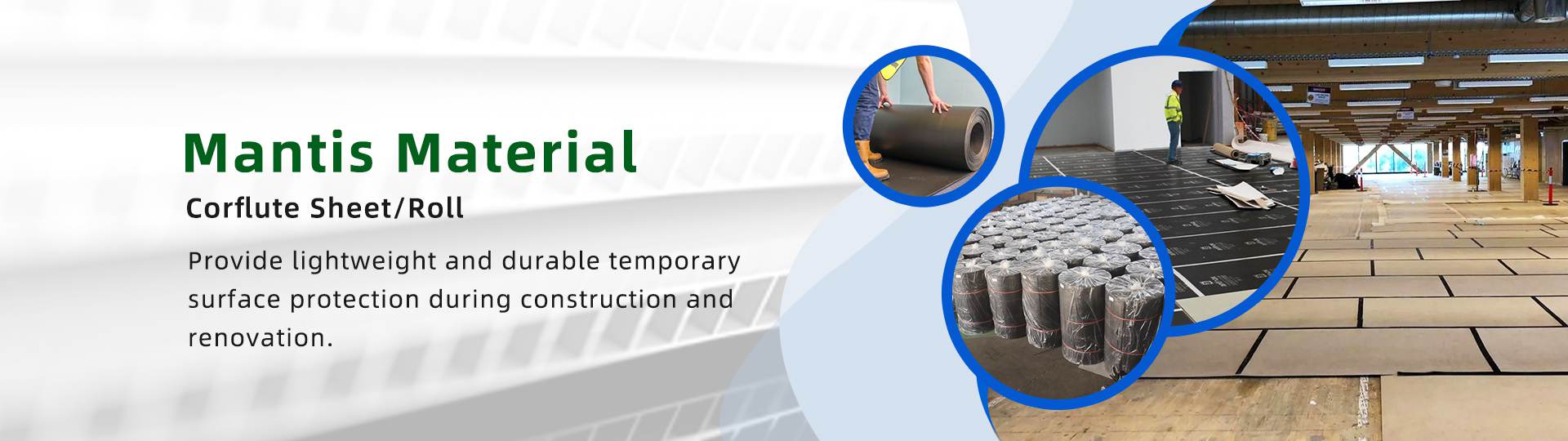
In the realms of construction, land development, and agriculture, managing soil erosion and protecting water quality are not just best practices—they are often legal requirements. A critical tool in achieving these environmental goals is the silt fence. This temporary sediment control device plays an irreplaceable role in safeguarding our natural resources. By intelligently combining permeable fabric with sturdy support, a silt fence provides a simple yet highly effective barrier that intercepts sediment-laden runoff, allowing water to filter through while retaining soil on site.
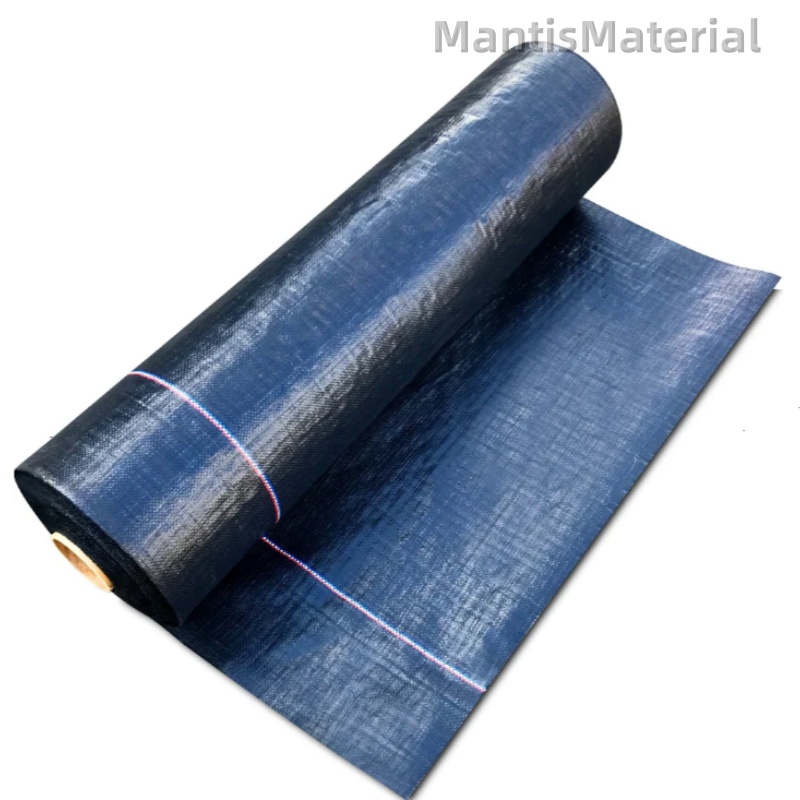
The effectiveness of a silt fence hinges on its core component: a permeable fabric, typically made from durable synthetic materials like polypropylene. This fabric is engineered with tiny pores that act as a filter, effectively blocking and retaining silt and soil particles while permitting water to flow through at a controlled rate. This process is fundamental to erosion control and preventing sediment from leaving a disturbed site. The fabric itself is chosen for its durability, featuring resistance to UV radiation, corrosion, and aging, which ensures it can withstand prolonged exposure to harsh outdoor conditions and maintain its structural integrity throughout a project's duration.
Beyond its filtering capability, the design of a quality sediment control fence prioritizes practical installation and reliable performance. The fabric possesses a degree of flexibility, allowing it to adapt to changes in terrain and ensure a close, continuous fit with the ground, which prevents water from finding a path underneath. This flexibility is complemented by the use of support piles, typically made of wood or metal, which are driven into the ground to hold the fabric upright and enable it to withstand the force of water flow. A crucial aspect of its design is the buried part—the lower section of the fabric is entrenched to a specified depth, creating a key seal that prevents water from scouring or bypassing the fence at the bottom. This combination of features results in a system that is both easy to apply and effective.
The application of silt fencing is vital across a spectrum of industries, primarily for its profound environmental benefits. On any active construction site, it is a first line of defense, preventing sediment loss, protecting downstream water bodies from pollution, and ensuring compliance with environmental regulations. In broader land development projects, it is used to control surface runoff, prevent soil erosion, and provide temporary protection for disturbed soils. Its use extends to agricultural land, where installing silt fence helps protect valuable topsoil, reduce water pollution from farmlands, and prevent the formation of damaging gullies. During road and infrastructure construction, including bridge and tunnel projects, it is an essential component of temporary drainage and soil protection systems.
The environmental importance of the silt fence cannot be overstated. By effectively intercepting sediment in rainwater runoff, it plays a direct role in reducing sediment loss and preventing soil from being washed away. This action is critical for protecting water quality, as sediment is a primary source of pollution in water bodies, especially near construction and agricultural sites. By trapping sediment, the fence reduces suspended solids in nearby rivers, lakes, and streams. Furthermore, this control measure helps prevent river siltation, which can degrade aquatic habitats, reduce channel capacity, and increase the risk of flooding. In essence, the proper use of silt fence is a fundamental act of environmental stewardship.
To meet the diverse needs of projects worldwide, silt fence is available in a range of customizable specifications. Common roll sizes, such as 2 meters wide by 100 meters long, can be adapted to specific length requirements. Finished product sizes are available in various dimensions, from smaller configurations like 2x2 meters up to larger options like 4x10 meters, with equivalents in feet also provided. Color choices typically include green, black, and dark green to suit different visibility or aesthetic preferences. For larger or specialized orders, manufacturers offer a wide range of custom sizes and colors, and even options like logo printing across the roll or adding fire retardance to the material upon request.
In conclusion, the silt fence is a fundamental and highly effective tool for managing soil erosion and protecting the environment during land-disturbing activities. By combining a permeable, durable fabric with a secure support and burial system, it provides a reliable and flexible barrier that retains sediment, safeguards water quality, and ensures regulatory compliance. Whether for a small residential development or a massive infrastructure project, implementing quality silt fencing is an investment in sustainable practices and the long-term health of our natural surroundings.
 عربي
عربي Deutsch
 Français
 Italia
 Portugal
 España