Mantis Material: Elevate, Protect, Build.







In the world of protective covers and temporary shelters, finding a material that balances durability with ease of use is essential. Polyethylene tarpaulins, commonly known as polytarps, have emerged as a leading solution for professionals and DIY enthusiasts alike. This article explores the versatile applications, key features, and technical specifications of these high-performance protective covers, demonstrating why they are the go-to choice for projects requiring reliable, lightweight, and cost-effective protection.
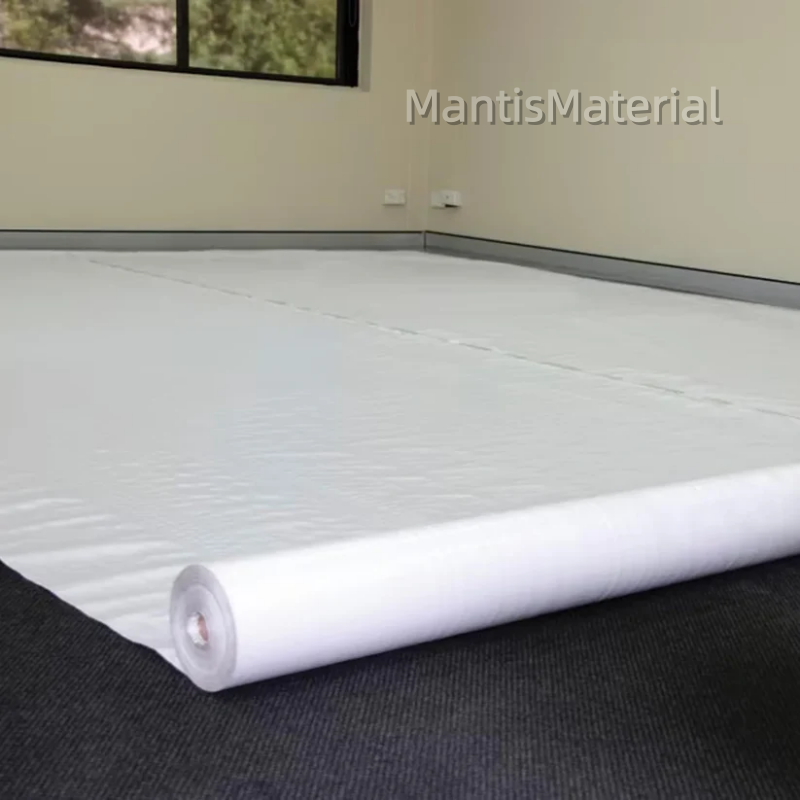
Modern polyethylene tarpaulins stand out due to their advanced polywoven construction, a double-laminated reinforced fabric designed to withstand the elements. Whether you are shielding a construction site from a sudden downpour or creating a temporary shelter for an outdoor event, this material offers robust performance. Its core strength lies in a combination of essential protective qualities. The tarpaulin is completely waterproof, ensuring that materials, equipment, and surfaces remain dry in rain or snow. Simultaneously, it is formulated to be UV resistant, meaning prolonged exposure to sunlight will not cause the material to degrade or become brittle. This makes it suitable for long-term outdoor use where sun damage is a concern.
Beyond weather resistance, the physical toughness of these tarpaulins is noteworthy. They are engineered to be tear resistant, capable of handling the rigors of a busy construction site or the stress of being tied down during transport. Additionally, the material offers mildew resistance, preventing the growth of mold and fungus in consistently damp or humid environments, which is a common problem with lesser covers. Despite its strength, it remains remarkably lightweight and flexible. This combination allows for easy handling, transportation, and storage, as the tarp can be folded and bent to fit tight spaces or wrapped around oddly shaped objects without cracking.
The practical design extends to safety and usability. One notable feature is its anti-slip surface, which is particularly valuable when used as a ground cover or on walkways in work areas to prevent accidents. From an economic standpoint, these tarpaulins are highly cost-effective. Their durability reduces the need for frequent replacements, and their ease of use facilitates quick setup and post-project cleanup, saving both time and labor costs. To meet diverse project needs, the product is available in multiple color options and can be fully customized. Customers can order specific sizes and features, and for specialized requirements, a fire retardant version of the material is also available as an option.
The versatility of polyethylene tarpaulins is reflected in their wide range of applications across numerous industries. They are a staple in the building and construction sector, where they are used to cover materials and equipment, protect floors and stairways from damage and debris, and provide temporary weatherproofing for structures under development. Their role as a temporary shelter is invaluable for outdoor events, camping, and emergency disaster relief, offering quick and effective protection from the elements. In agriculture, they serve to guard crops from harsh weather or to provide essential shade. For transportation and logistics, they are the ideal choice for shielding goods on trucks or flatbeds during transit.
Homeowners and hobbyists also find countless uses for this adaptable material. During home improvement or painting projects, it can be draped over furniture or spread across floors to catch drips and dust. In the recreational sphere, it is perfect for camping and outdoor activities as a tent footprint, ground cover, or overhead shelter. Marine and boating enthusiasts use it to cover boats and equipment, while vehicle owners rely on it for temporary car, bike, or motorcycle shelters. Further applications include industrial covers for machinery, pool covers to keep out leaves and debris, and ground covers to prevent soil erosion or suppress weed growth. Its affordability and adaptability also make it a favorite material for countless DIY projects.
To ensure they meet the demands of a global market, these tarpaulins are manufactured to comply with both Australian and European standards, as well as North American specifications. The product is offered in a comprehensive range of standard roll sizes, weights, and colors. For instance, in metric sizes adhering to Australia and Europe standards, options range from a compact 915mm x 50m roll to a substantial 4m x 50m roll. Weight options, measured in grams per square meter (gsm), are available from a lightweight 80gsm up to a heavy-duty 180gsm. For the North American market, sizes are provided in feet and inches, such as 6' x 330' or 13' x 165' rolls, with corresponding weight options from 80gsm to 180gsm. Across all standard options, popular colors include white, black, and blue, providing choices for light reflection, concealment, or high visibility.
In conclusion, high-quality polyethylene tarpaulins represent a comprehensive protective solution that combines professional-grade durability with everyday practicality. Their resistance to water, UV rays, tearing, and mildew, paired with their lightweight flexibility and safety features, makes them an indispensable tool for construction, agriculture, events, and home use. Whether you need a standard size for a small project or a custom order for a large-scale industrial application, these versatile tarps deliver reliable, economical protection for virtually any situation.
 عربي
عربي Deutsch
 Français
 Italia
 Portugal
 España